Opening context
Bulk classroom material requests often start too late in the decision process. A buyer asks for prices on desks and chairs, then adds teacher desks, storage cabinets, whiteboards, spare quantities, packaging, and delivery details after the first quote. The result is a quotation that keeps changing and becomes difficult to compare.
Why bulk classroom material planning comes before pricing
Bulk classroom material requests often start too late in the decision process. A buyer asks for prices on desks and chairs, then adds teacher desks, storage cabinets, whiteboards, spare quantities, packaging, and delivery details after the first quote. The result is a quotation that keeps changing and becomes difficult to compare.
A stronger process starts with the classroom material list. For DADA, a useful bulk request usually includes room count, student age band, seat count per room, desk and chair preference, teacher furniture, storage, board requirements, color direction, material expectations, and destination country. That gives the supplier enough context to recommend a practical package through wholesale school furniture instead of pricing isolated items.
Build the list by room type
Not every classroom in a school needs the same furniture. Standard classrooms, collaborative rooms, science rooms, computer rooms, early-learning spaces, and training rooms often have different requirements. A bulk classroom material list should show those room types separately.
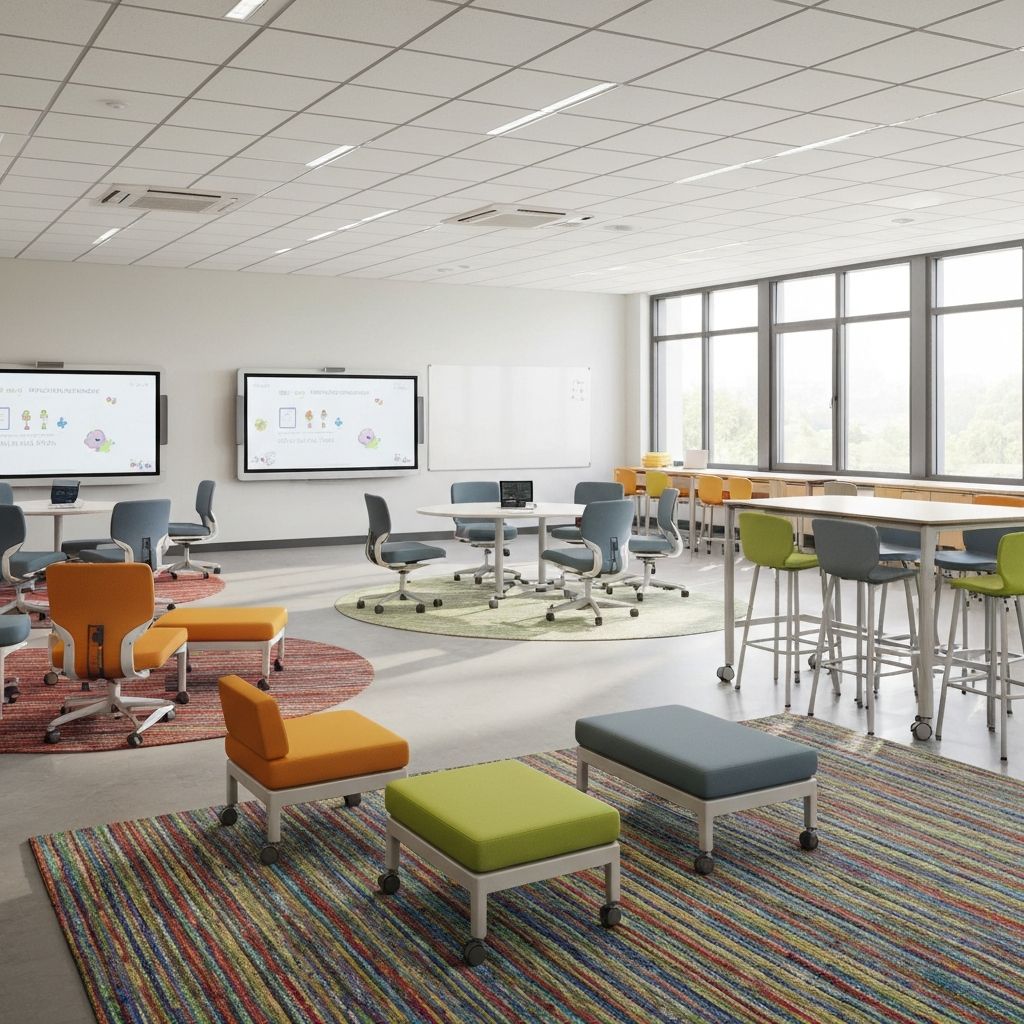
For a standard classroom, the list may include student desks, student chairs, teacher desk, teacher chair, storage, whiteboard, and spare units. For a collaborative classroom, the list may include mobile tables, stackable chairs, storage carts, and flexible group furniture. For early learning, the list may include lower tables, smaller chairs, soft storage, and rounded details.
A room-based list prevents two common problems:
- Underquoting because support items are missing.
- Overquoting because one classroom standard is applied to every room.
Confirm quantities before comparing suppliers
Bulk pricing depends heavily on quantity. A project with 20 classrooms has different assumptions from a distributor order covering several schools. Buyers should define both the per-room quantity and the total project quantity before comparing suppliers.
Quantities should also include spare units. A school may need extra chairs, replacement tabletops, spare hardware, or future-phase items. If those needs are ignored during the first quote, the buyer may pay more later or receive mismatched products in a repeat order.
Useful quantity details include:
- Number of classrooms by type.
- Student capacity per room.
- Desk and chair quantity per room.
- Teacher furniture and storage quantity.
- Spare percentage or fixed spare quantity.
- Expected future phase or repeat order.
Set material and finish assumptions early
Material choices affect price, durability, maintenance, and lead time. A classroom desk with a steel frame and laminate top will not price the same as a different frame finish, edge treatment, desktop thickness, or storage option. Chairs also vary by shell material, frame design, stackability, and glides.
Before requesting pricing, buyers should narrow the material direction. The goal is not to solve every detail immediately. The goal is to prevent suppliers from quoting completely different assumptions. DADA's material and durability guide can help buyers compare frame, surface, and seating choices before the RFQ is finalized.
For classroom materials, confirm:
- Desk frame material, desktop finish, edge treatment, and storage needs.
- Chair shell material, frame finish, seat height, and stackability.
- Teacher desk size, cabinet storage, and finish consistency.
- Color standard across rooms, buildings, or phases.
- Cleaning expectations and replacement-part requirements.
Include packing and delivery in the early request
Bulk classroom materials create handling work. Cartons need labels, classrooms need receiving plans, and delivery timing needs to match site readiness. A buyer who only asks for unit price may miss the real cost and complexity of getting furniture into rooms.
If the order will ship by container, ask about packed volume, carton dimensions, loading sequence, and room labels. If the project has phased delivery, separate the shipment by building or floor. If local installers will assemble furniture, confirm what instructions and hardware packs are included.
These details connect directly to school furniture RFQ preparation and shipping and installation. They should be part of the early pricing conversation, not an afterthought.
Compare quotes on equal assumptions
Once the classroom material list is clear, supplier comparison becomes much more useful. Buyers can compare whether each supplier quoted the same desk size, same chair type, same materials, same carton requirements, and same delivery assumptions.
Without equal assumptions, the lowest quote may simply be missing items. It may exclude teacher furniture, use thinner materials, ignore spare quantities, or assume simpler packaging. A better comparison looks at the complete classroom package and the risk behind each line item.
Decide which items belong in the classroom package
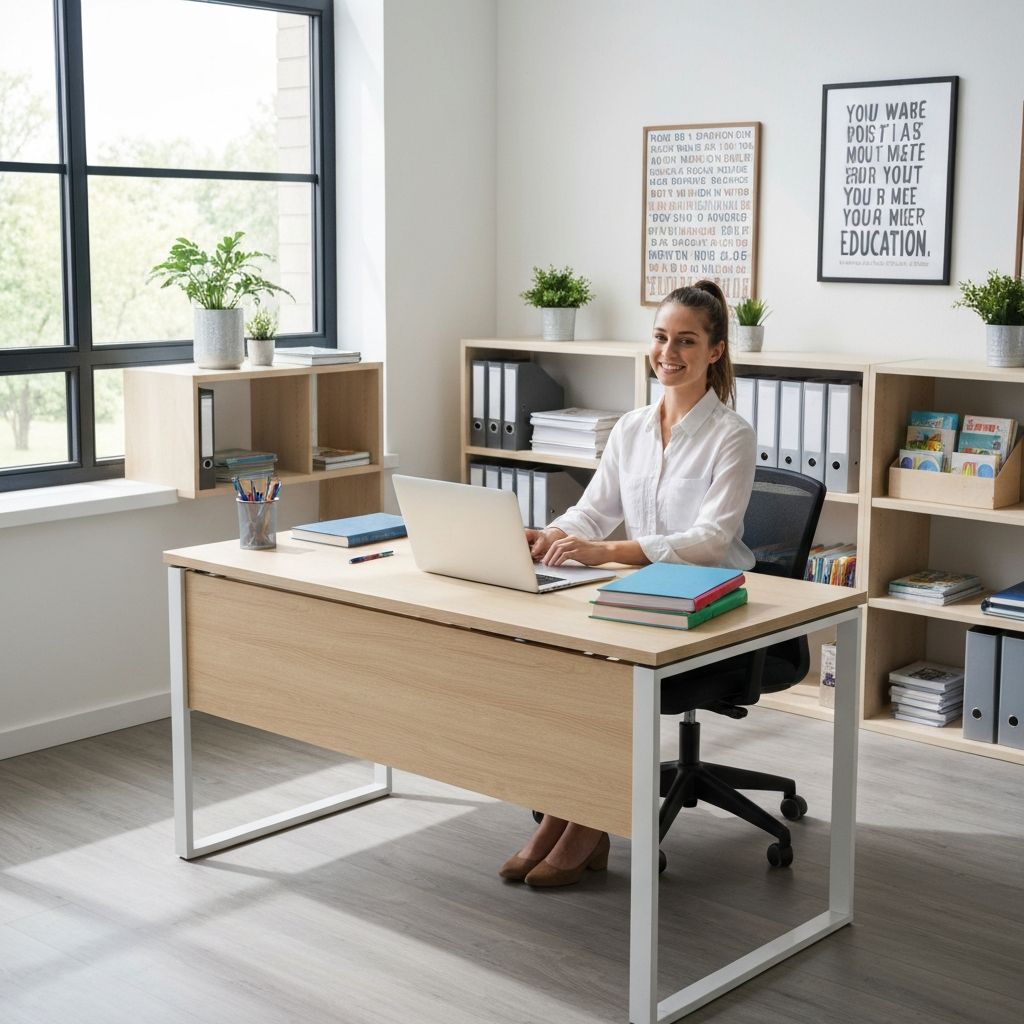
Bulk classroom material planning should include more than desks and chairs when the school wants a complete room standard. Teacher desks, teacher chairs, storage cabinets, bookcases, whiteboards, hooks, modesty panels, and spare hardware can all affect the real project cost. If these items are added after the first quote, the budget may move even when the main desk and chair price stays the same.
For international buyers, a complete package also helps container planning. Mixed products can be packed and labeled around the room sequence, which reduces sorting work on site. It also gives the supplier a better chance to recommend compatible finishes across desks, chairs, storage, and teacher furniture.
Keep alternates under control
Buyers sometimes request several alternate products to compare price. That can be useful, but only when each alternate is clearly labeled. A lower-cost chair, a different desktop thickness, or a substitute frame material should be shown as an alternate, not mixed into the main quote without explanation.
Ask the supplier to mark which items are standard, which are optional upgrades, and which are lower-cost substitutions. This makes the final decision easier to defend internally and prevents the project team from approving a quote that does not match the room standard they expected.
Recommendation for buyers
Prepare the bulk classroom material list before requesting pricing. Start with room types, quantities, materials, support furniture, packing, and delivery assumptions. Then ask DADA to recommend matching product families through classroom furniture, school desks and chairs, or a wholesale project quotation. The clearer the list, the more accurate the factory pricing will be.
Procurement follow-through
Bring the topic into the project brief
Before requesting school furniture pricing, connect the topic to room scope, product category, quantity, material requirements, sample approval and export delivery assumptions. A clearer brief leads to a more accurate factory quotation and fewer revision cycles.
Procurement questions
What should buyers confirm after reading about b2b intent keywords?
Confirm the room requirements, product categories, material choices, quantity estimates and quotation questions before requesting pricing.
What should buyers send to DADA after reading this article?
Send room lists, quantities, layouts or reference images, preferred materials, color requirements, target delivery window, destination port and any sample or inspection requirements.
Does this article show fixed product prices?
No. DADA uses inquiry-based project quotation because final pricing depends on quantity, material, size, customization, packaging and destination port.
Tags