Factory-direct school furniture manufacturing, OEM/ODM, project quotation and export support for global education buyers

Large Venue Seating Solutions
Lecture Hall & Auditorium
Create impressive large-venue learning environments with our lecture hall and auditorium seating solutions. From tablet arm chairs to theater-style fixed seating, we maximize capacity while ensuring comfort.
About Lecture Hall & Auditorium
Lecture halls and auditoriums present unique challenges for educational furniture. These spaces must accommodate large numbers of students while ensuring everyone has a clear view of the presenter and a comfortable place to take notes. Our seating solutions are specifically designed for tiered, high-capacity environments.
Tablet arm chairs are the workhorses of lecture hall seating. Our designs combine comfortable seating with functional writing surfaces that flip up for easy entry and exit. Available in both left and right-handed configurations, these chairs maximize seating density while providing stable platforms for note-taking and laptop use.
For formal auditoriums and performance spaces, our theater-style seating offers premium comfort and aesthetics. Fixed seating with upholstered cushions, fold-down seats, and optional cup holders creates a professional atmosphere suitable for lectures, presentations, and special events. Multiple fabric and color options allow customization to match institutional branding.
Sightlines are critical in large venues. Our tiered seating solutions are engineered for sloped floors, ensuring every seat has an unobstructed view of the stage or presentation area. We consider acoustics, accessibility requirements, and emergency egress in every installation plan.
Durability matters in high-traffic venues. Our lecture hall furniture features commercial-grade construction with reinforced frames, stain-resistant fabrics, and easy-clean surfaces. Every piece is designed to maintain its appearance and functionality through years of daily use by hundreds of students.
Room planning notes
How to plan lecture hall & auditorium before requesting quotation
Confirm the room layout, furniture families, quantity range and delivery notes before requesting a project quotation from DADA.
Planning focus
Start with row spacing, aisle width, writing-surface needs and expected room capacity.
Fixed seating, loose tablet-arm chairs and auditorium chairs require different installation and replacement planning.
Universities and training centers should confirm left/right writing tablet mix, power access and maintenance access early.
Furniture package usually includes
Specification points to confirm
- 鉁? Room capacity and row spacing
- 鉁? Writing pad size and handedness
- 鉁? Fixed or loose seating format
- 鉁? Installation sequence and replacement parts
Questions buyers should answer
Is the space used for lectures, exams, training or mixed events?
Do students need writing tablets?
Is fixed installation required?
Key Features
What makes our lecture hall & auditorium solutions stand out
Integrated Writing Surfaces
Tablet arms and flip-up desks provide stable writing surfaces without sacrificing seating density or comfort.
Tiered Seating Options
Fixed and removable seating solutions designed for sloped floors, ensuring clear sightlines to the presenter.
High-Capacity Comfort
Ergonomic designs that keep audiences comfortable during extended lectures, presentations, and events.
Project planning snapshot
Bring room requirements, shortlisted products, and supplier support notes into one brief so your procurement team can review the space with fewer approval delays.
Carefully selected furniture for your lecture hall & auditorium
Grouped for this environment so procurement teams can compare the right categories faster.
Standard production takes 30-45 days after order confirmation. Rush orders may be accommodated based on current production capacity.
Exporting to 50+ countries worldwide with reliable shipping and comprehensive after-sales support.
Scope usually includes
DADA coordinates production planning, material selection, quality inspection and export-ready packing through an experienced team of over 150 skilled professionals.
Procurement notes
- Provide a seating plan before requesting pricing.
- Confirm whether export packing must separate rows, seats and hardware.
- Request sample approval for writing tablet hardware.
Quick Quote
Documents to prepare before quotation
Share these links with your project manager, facilities team, and purchasing stakeholders before issuing an RFQ.
Needs Assessment
Tell us about your project and receive personalized furniture recommendations tailored to your specific needs, budget, and timeline.
Catalogs
We have provided a PDF version of each catalog for your convenience. Download our comprehensive product catalogs with detailed specifications and pricing.
Warranty
DADA stands behind the quality of our products. Learn about our comprehensive warranty coverage and how we protect your investment.
Buying Guide
Tips and advice for purchasing school furniture
Shipping and Installation
Prepare room details, quantities, materials and delivery notes for a clearer RFQ.
Material and Durability Guide
Prepare room details, quantities, materials and delivery notes for a clearer RFQ.
Common buyer questions
Our standard MOQ is 100 pieces per product. However, we offer flexible ordering options for different project sizes. Contact us to discuss your specific needs.
Yes, we provide samples for quality evaluation. Sample costs may apply but can be credited towards your bulk order.
Yes, we export to over 50 countries worldwide. We handle all export documentation and can arrange shipping to your preferred port.
Recommended Products
Products for This Space
Carefully selected furniture for your lecture hall & auditorium
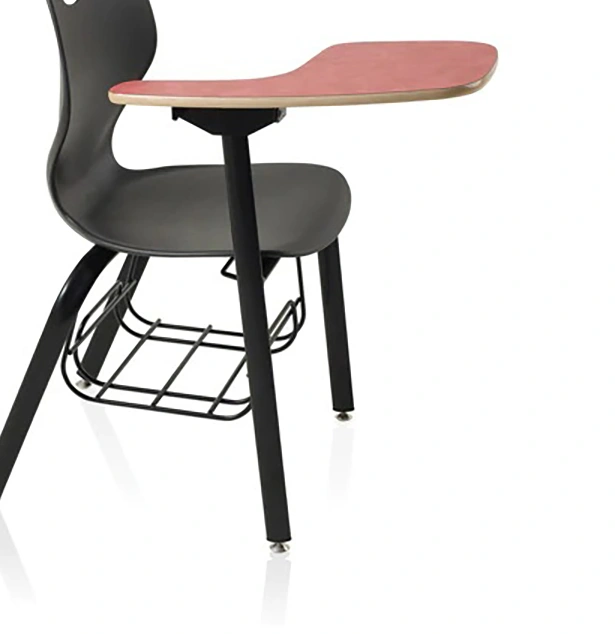
15 Year Warranty University Student Desk and Chair Set Student Desk with Chair for Classroom
SKU: DCT-0015A
Request Latest Factory Price
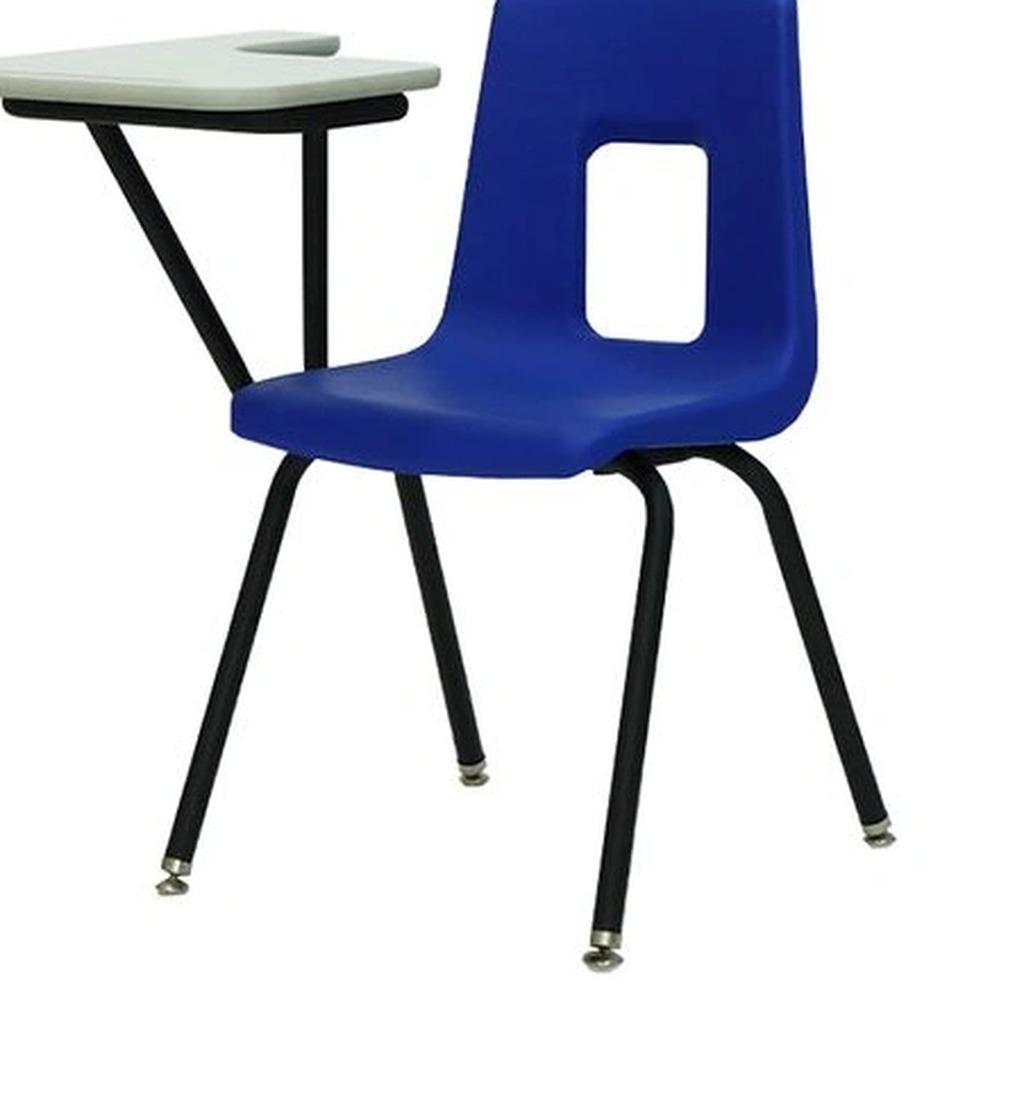
School Furniture Classroom Student School Chair with Desk
SKU: SW0076
Request Latest Factory Price
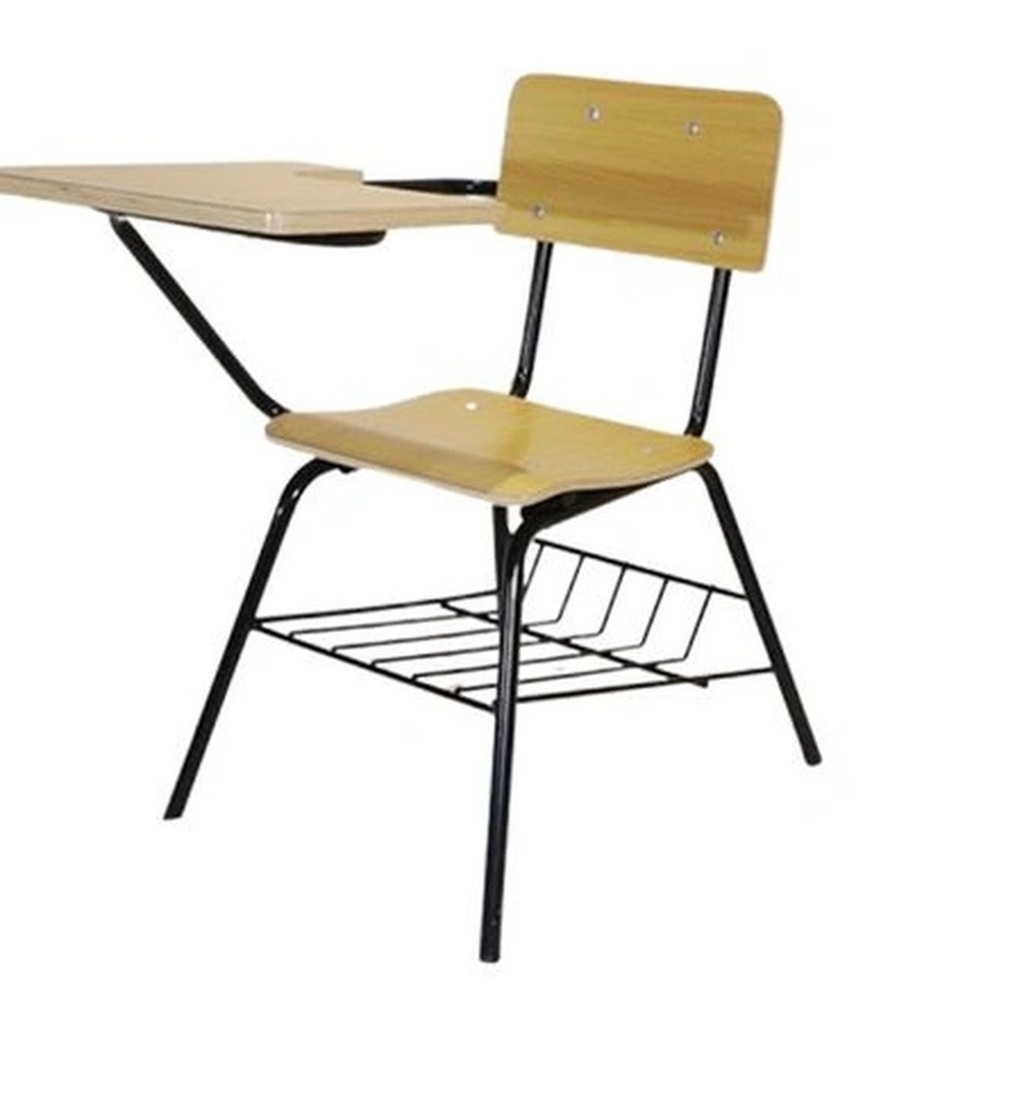
Arm Chair Wooden Plywood Classroom Student Chair with Writing Pad
SKU: SW0001
Request Latest Factory Price
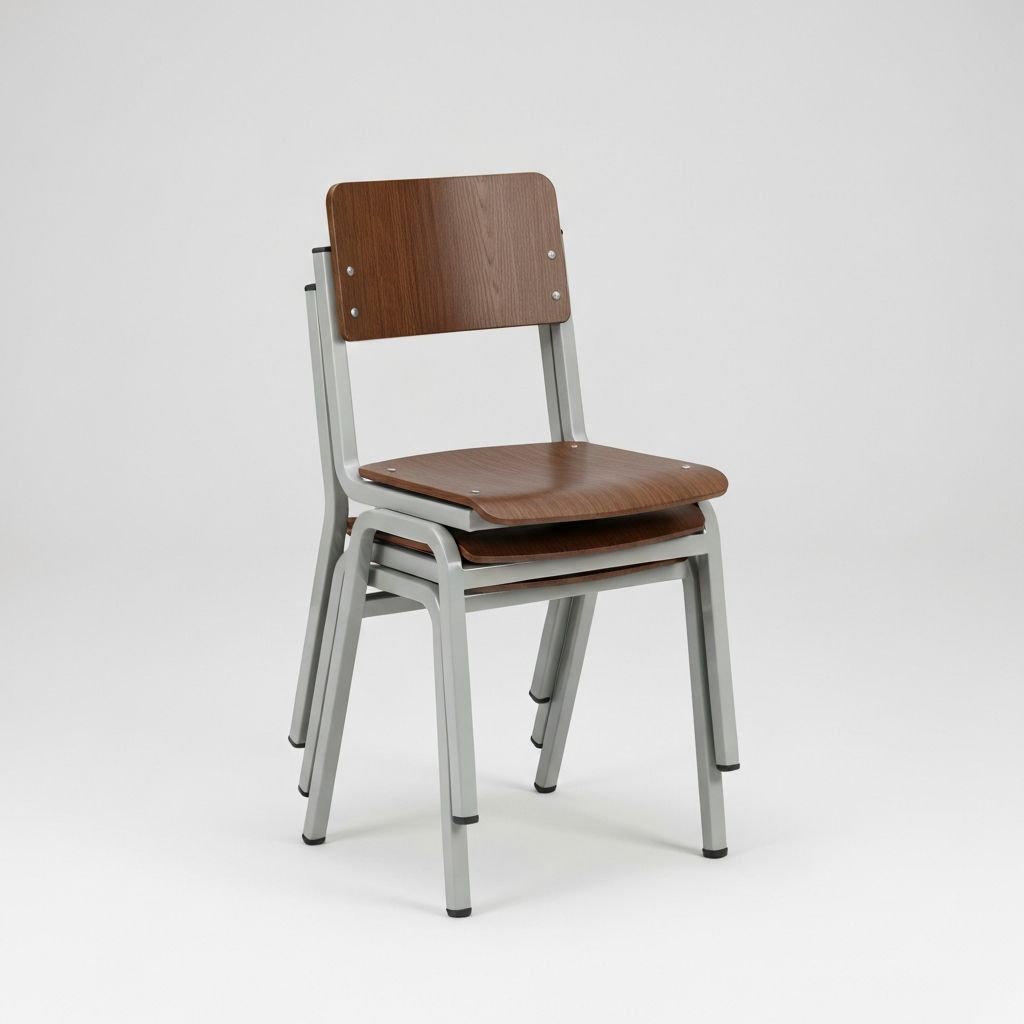
School Furniture Student Chair Combo Modern Plastic Students' Chair Desk Combo
SKU: CC0001
Request Latest Factory Price
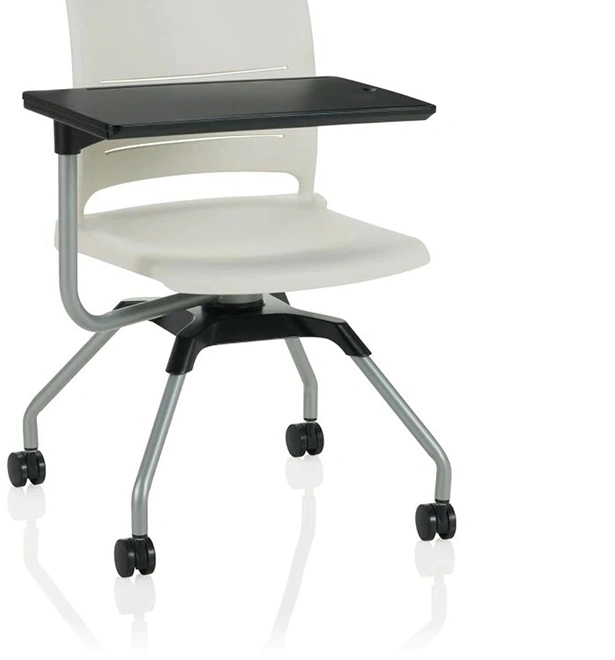
Classroom Metal Waiting Used Auditorium Student Desk and Chair School Furniture
SKU: DCT-0012A
Request Latest Factory Price
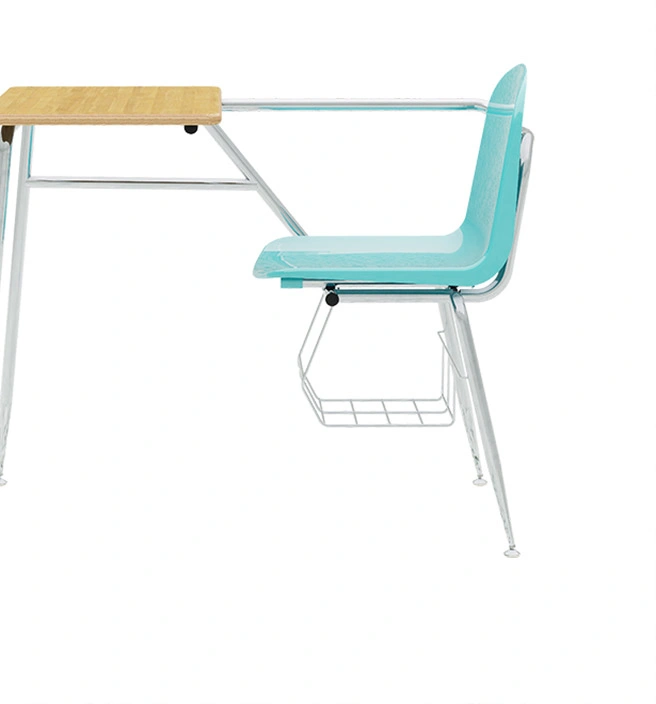
School Furniture Chair Desk Combo Set Student Classroom Chair with Folding Writing Board
SKU: ZFC1012
Request Latest Factory Price
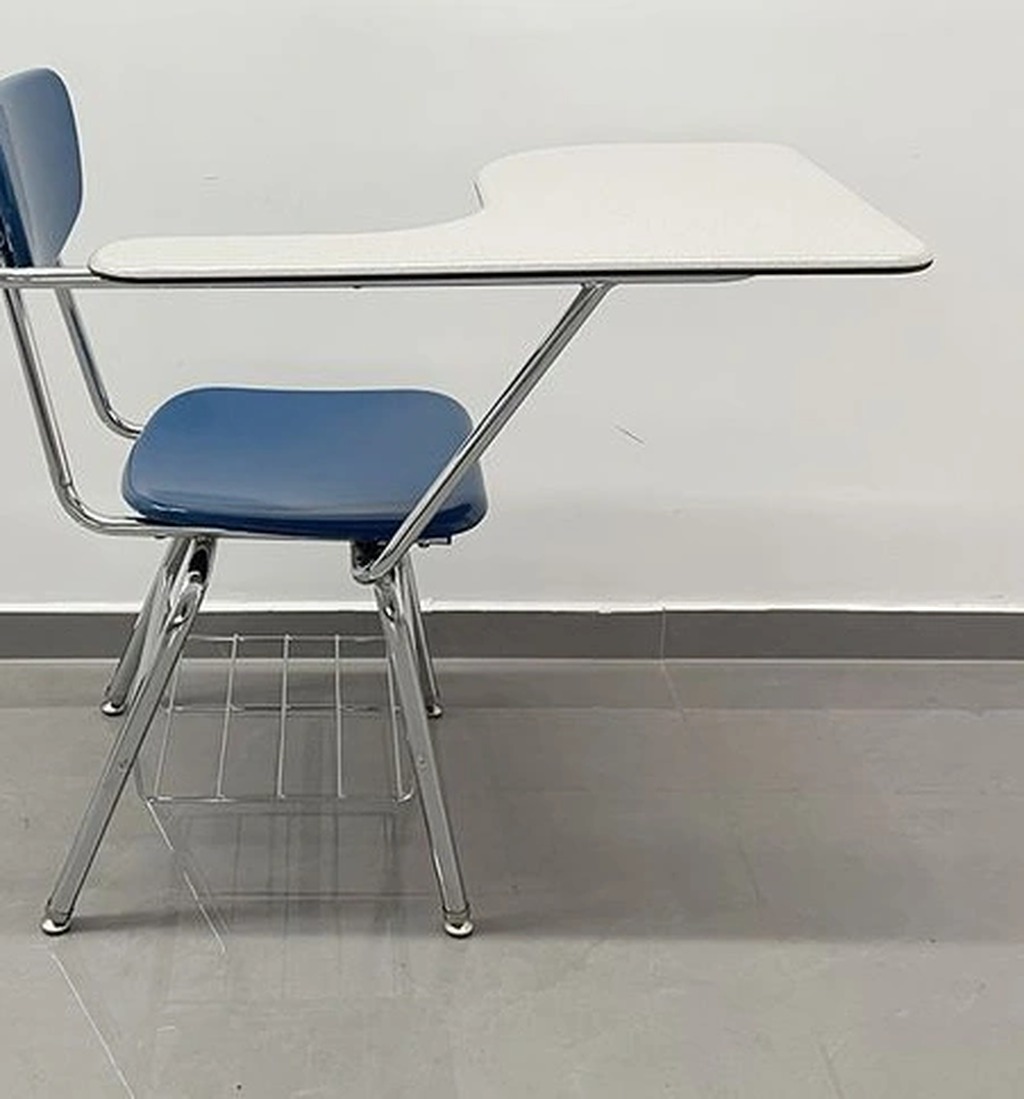
School Furniture Training Chair Classroom Student Chairs with Writing Pad
SKU: CC0019
Request Latest Factory Price
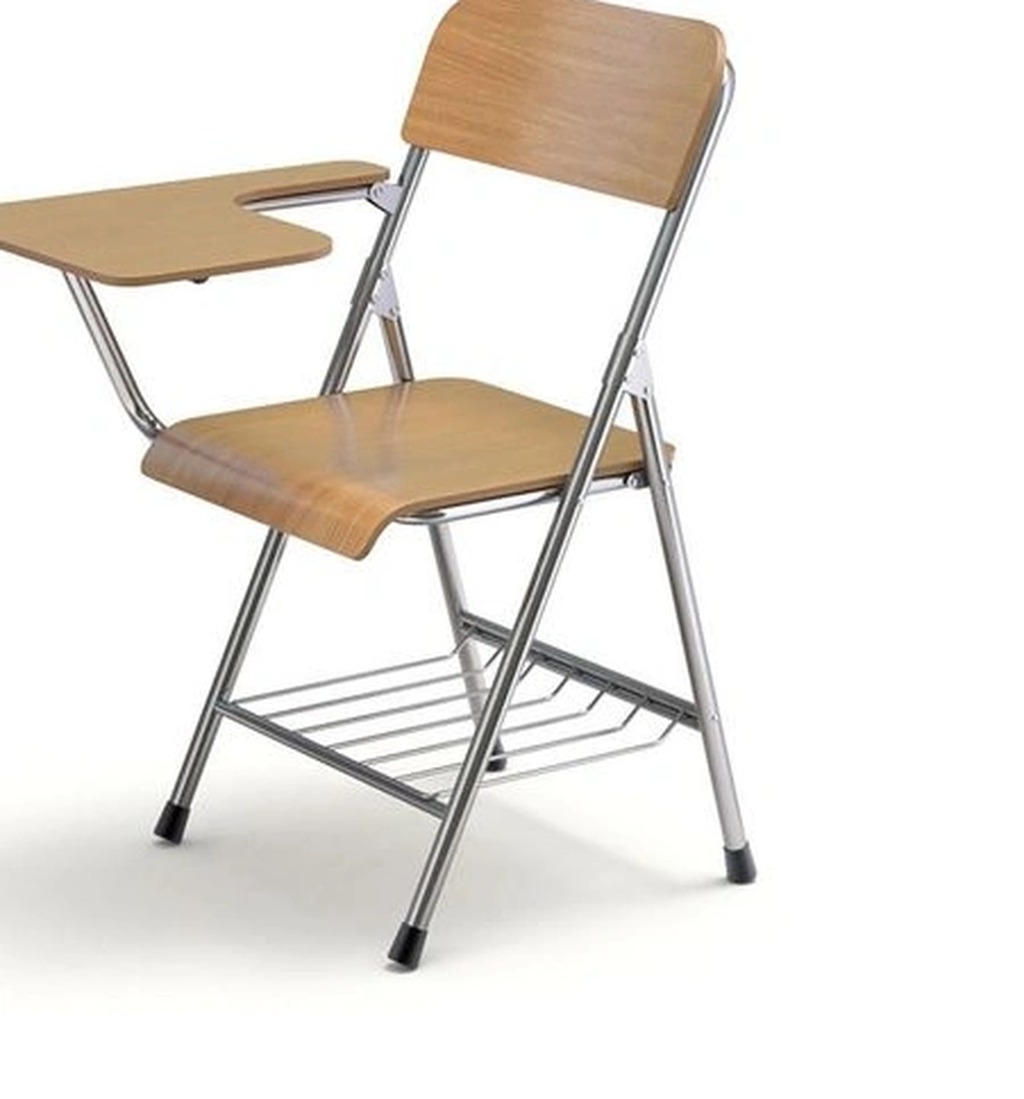
School Study Chair Students Training Chair with Writing Board
SKU: SW0069
Request Latest Factory Price
Ready to Transform Your Lecture Hall & Auditorium?
Contact our team for personalized recommendations, bulk pricing, and expert consultation on your furniture needs.
Explore Other Environments
Discover furniture solutions for different educational spaces
Time-Tested Learning Environments
Traditional Classroom
Classic classroom setups designed for focused, teacher-led instruction with proven layouts that maximize learning efficiency.
Explore Solutions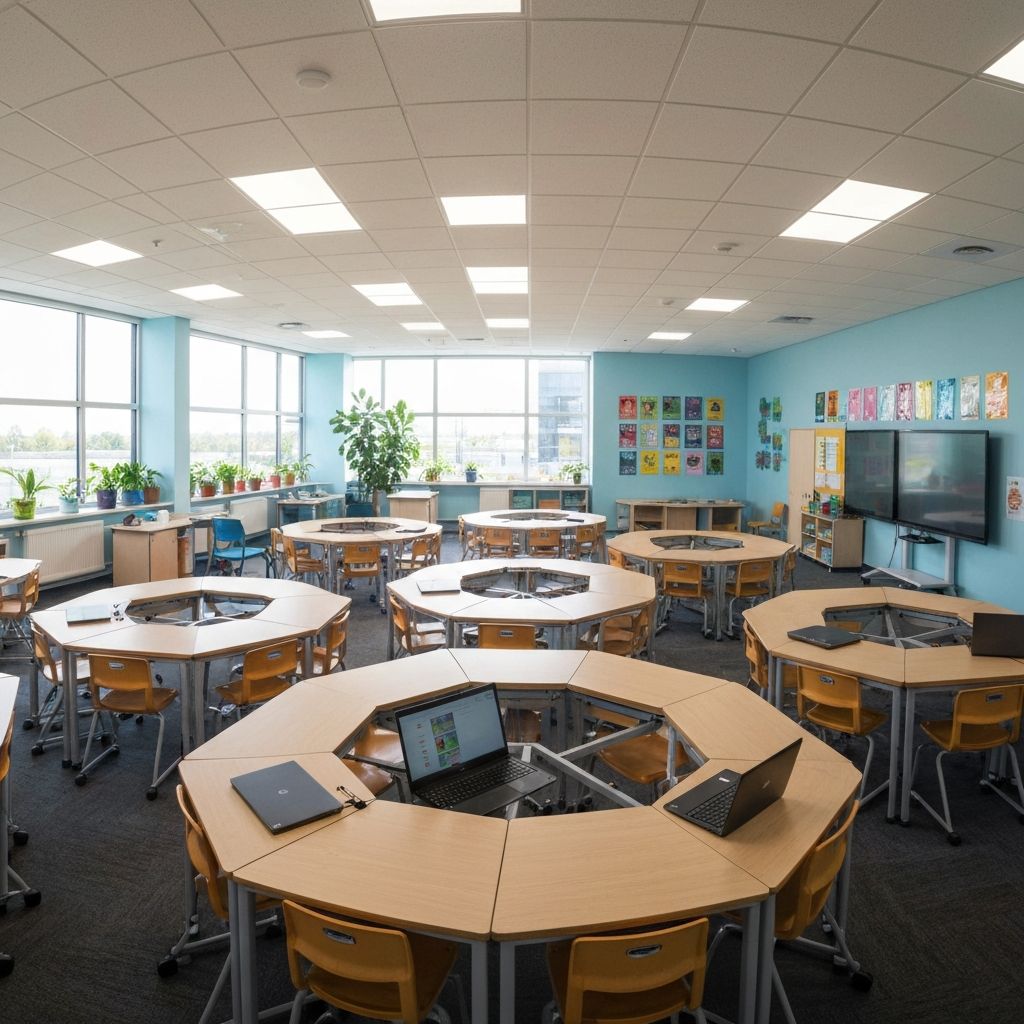
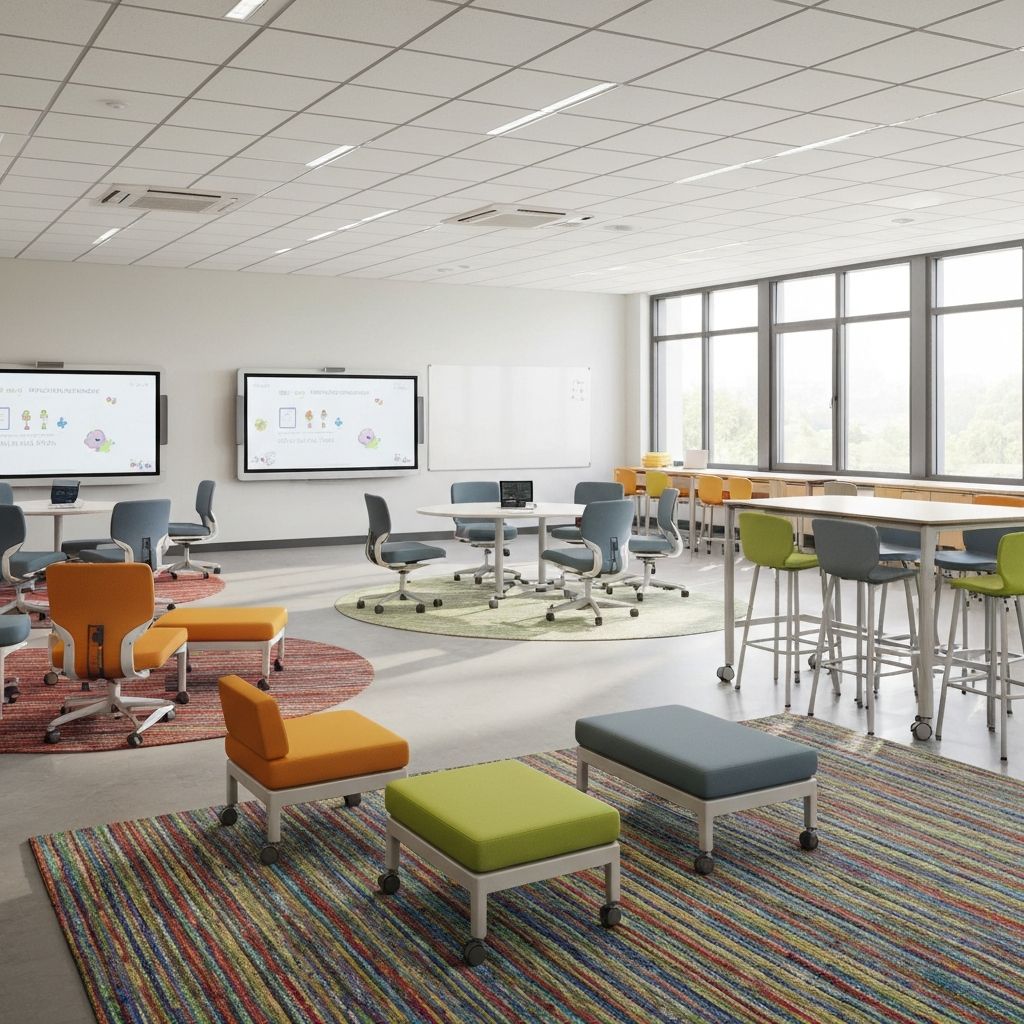
21st Century Active Learning
Collaborative Learning Space
Modern flexible spaces that encourage teamwork, creativity, and student-centered learning approaches.
Explore Solutions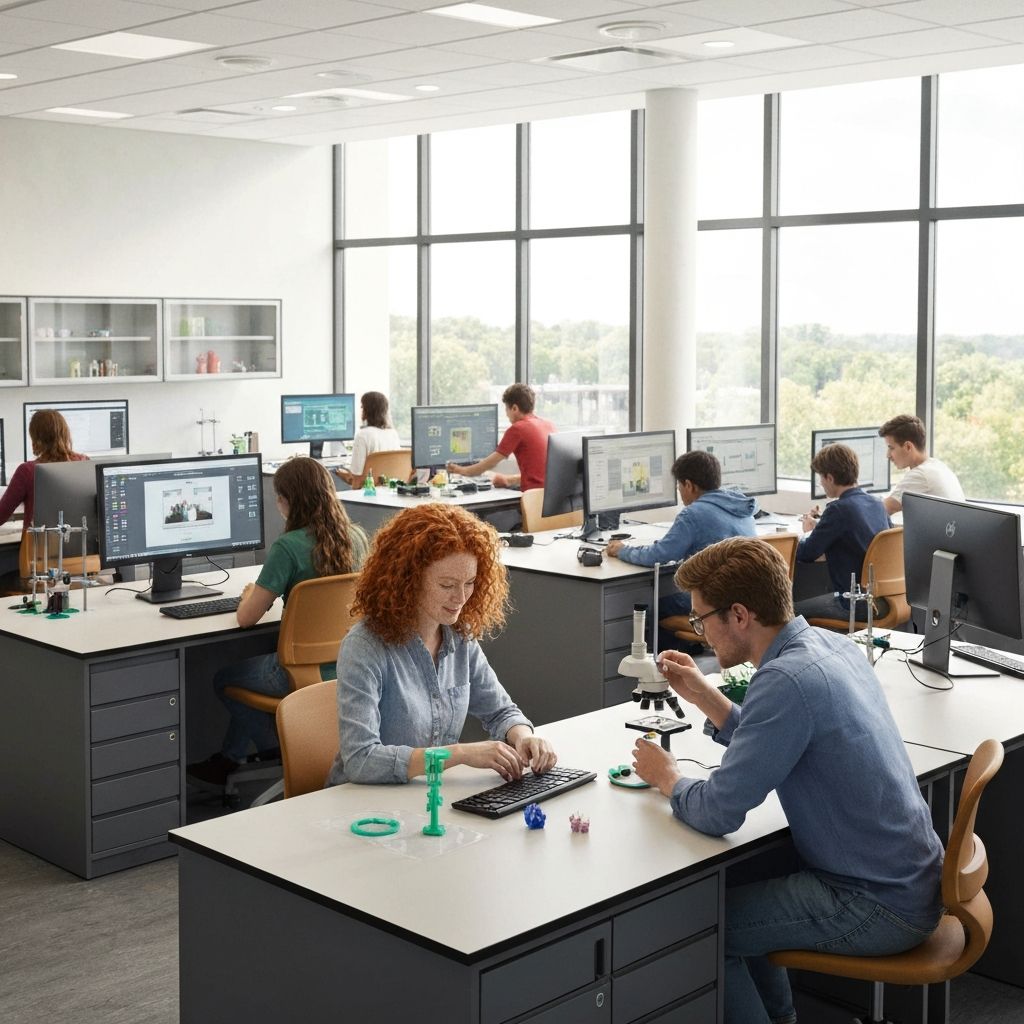
Safe & Functional Lab Environments
Science Laboratory
Specialized furniture for chemistry, biology, and physics labs with safety features and durable surfaces.
Explore Solutions