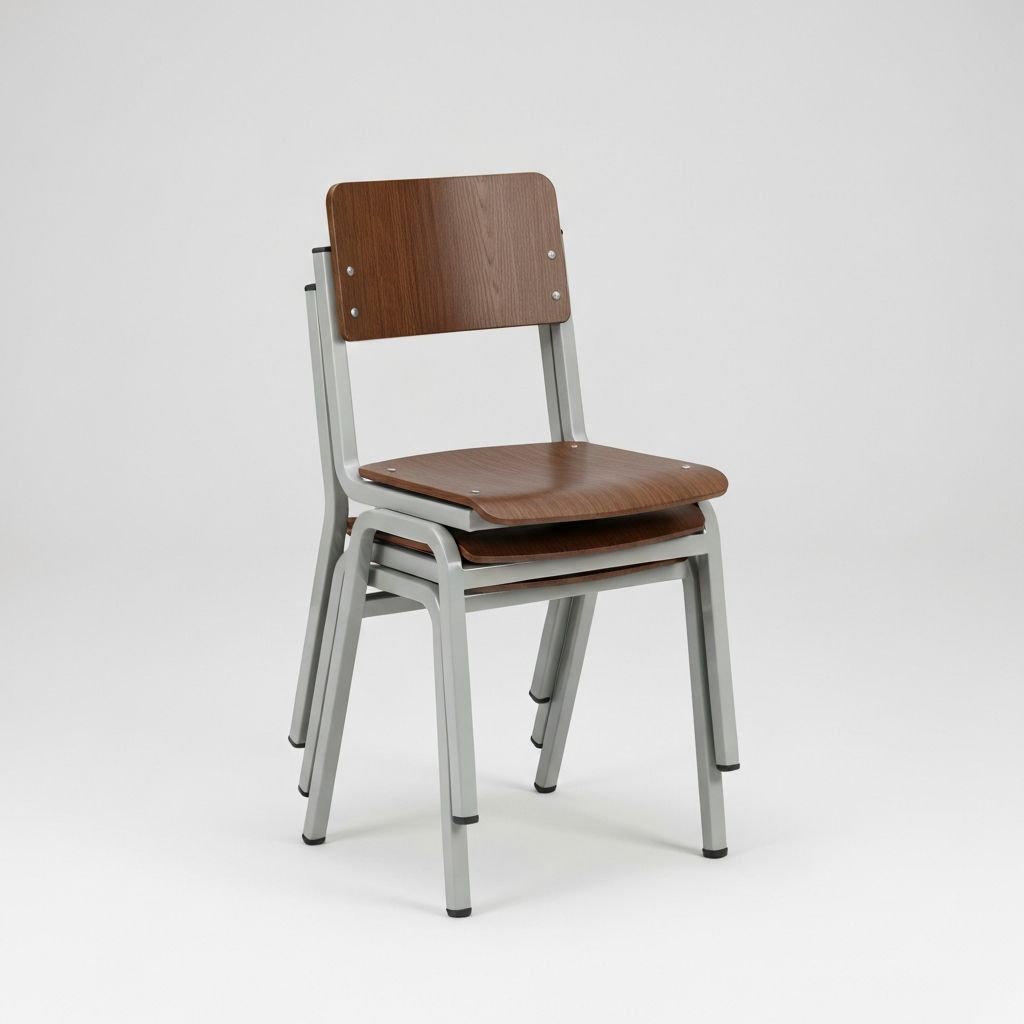
Classroom core
Desks, chairs, tables, and room sets
Start here when the project is mainly standard teaching spaces and the buyer needs the core classroom package first.
Factory-Direct School Furniture Manufacturer for Distributors and Project Buyers
School Furniture Procurement Hub
This page is not here to dump product names on the buyer. It is the map that helps procurement teams split a broad school furniture requirement into classroom, specialist-room, shared-space, and support categories before they move into RFQ, sampling, or room-planning coordination.
Use one umbrella page to separate classroom, specialist-room, shared-space, and support furniture before the shortlist gets too wide.
Room count, age band, quantity logic, and floor conditions should be clear before product and supplier comparison starts.
Lead time, packaging, local labor, and site access need to line up with the school calendar, not just the quotation deadline.
Room codes, product families, finishes, and substitutions should be written the same way across every supplier request.
How Buyers Split It
If the project is being treated like a product list instead of a room program, the scope is still too loose. This page helps buyers separate the broad category into the paths that actually drive the order.
Classroom core
Start here when the project is mainly standard teaching spaces and the buyer needs the core classroom package first.
Lecture and training
Use this path when the room needs lecture seating, training-room functionality, or a full auditorium layout discussion.
Specialist rooms
These rooms need their own procurement logic because supervision, durability, and usage patterns are different from standard classrooms.
Support and admin
Support space buys usually sit under the same project, but their comparison logic is more about service life and storage function than student capacity.
Buyer Questions
These are the questions that should drive the content, the shortlist, and the project conversation.
The first task is to split the broad request into rooms. Classroom furniture, specialist rooms, shared campus areas, and support spaces each need different assumptions.
Which rooms are being outfitted in this phase?
Which room types are part of the same budget or delivery window?
Which rooms should be broken out into separate procurement lines?
Buyers usually do not want isolated SKUs. They want a room package with the right mix of student furniture, teacher furniture, storage, and supporting items.
Which items are mandatory for the room to function?
Which items are optional and can be phased later?
Which pieces need to stay matched across the whole package?
Compliance, cleaning, durability, and installation assumptions should be clear before the shortlist gets too wide or a supplier quote becomes misleading.
What material, safety, or compliance evidence is required?
What cleaning or wear concerns matter most for the space?
What site conditions can change the final specification?
The school calendar usually controls the project. If the install window is short, lead time and site readiness become core buying inputs.
When does the furniture need to be on site?
Who receives, unloads, and installs the furniture?
Does the project need phased delivery or room-by-room turnover?
A broad page like this is only useful if it helps the buyer move into a more specific action: shortlist, RFQ, needs assessment, or room planning.
Is the scope ready for RFQ now?
Do we still need a needs assessment to stabilize quantities?
Should this move into a broader room-planning path because multiple rooms are involved?
Product Library
The catalog is here for comparison, but the buying decision should already be tied to room scope, package composition, compliance, and delivery timing before you get lost in individual SKUs.
Early Childhood Center
Plan preschool classrooms, reading corners, activity zones, and low-height storage before furniture selection starts.
Science Lab & STEM Room
Review stations, teacher demos, storage, and durable surfaces before the lab package moves into RFQ.
Library & Media Center
Group shelving, quiet study, collaboration, and staff support into one layout conversation.
Cafeteria & Commons
Compare dining density, circulation, cleaning, and multi-use turnover before table programs are chosen.
Traditional Classroom
Use this path for classroom rollouts where desk, chair, whiteboard, and teacher-station logic must stay aligned.
Collaborative Learning Space
Plan modular tables, movement, and reconfiguration for project-based learning rooms and creative teaching formats.
Lecture Hall & Auditorium
Review seat count, writing tablets, aisle logic, and installation timing before auditorium packages are locked.
Administrative Office
Organize reception, staff workstations, filing, and controlled storage before support-space purchases fragment.
Needs Assessment
Use this intake when room counts, zone needs, or quantity assumptions still need to be defined.
RFQ Checklist
Use this when the scope is mostly stable and the team needs cleaner supplier-comparison language.
Standards & Compliance
Review technical approvals, documentation, and quality expectations before release.
Shipping & Installation
Open this when the project is moving into delivery sequencing, site readiness, and handover planning.
School Furniture Hub
Start here when the brief covers more than one room type and the team needs a room-based furniture map.
Auditorium Seating
Use this for lecture halls, theaters, and assembly spaces where capacity, compliance, and installation matter.
Science Lab Furniture
Review specialist-room tables and support pieces once the lab layout and service assumptions are stable.
Library Furniture
Compare shelving and storage families after the media-center zoning plan is clear.
Classroom Tables
Useful for collaborative classrooms, art-heavy teaching rooms, and flexible learning programs.
Early Learning Furniture
Use this after the preschool room plan is settled and buyers need age-fit tables, chairs, and storage.
Showing 1-664 of 664 Products

SW0063
US$27.60
Min. Order: 200 pieces

SC0154
US$18.00
Min. Order: 200 pieces

SA0018
US$15.60
Min. Order: 200 pieces

SA0009
US$21.00
Min. Order: 200 pieces

SA0007
US$19.20
Min. Order: 200 pieces

SA0001
US$18.00
Min. Order: 200 pieces

SC0134
US$31.20
Min. Order: 200 pieces

SC0152
US$16.80
Min. Order: 200 pieces

KG2033
US$10.20
Min. Order: 200 pieces

DC0015
US$19.20
Min. Order: 200 pieces

SC0126
US$15.48
Min. Order: 200 pieces

SC0023
US$16.44
Min. Order: 200 pieces

LA1-0015
US$24.00
Min. Order: 200 pieces

ET0039
US$51.60
Min. Order: 200 pieces

KG3004-1
US$11.88
Min. Order: 200 pieces

SS0280
US$43.20
Min. Order: 200 pieces

DWB-0060
US$54.00
Min. Order: 200 pieces

TD0073
US$72.00
Min. Order: 200 pieces

TD0072
US$154.80
Min. Order: 200 pieces

ET0045
US$43.20
Min. Order: 200 pieces

DJ-0002F
Contact for Price
Min. Order: 200 pieces

DJ-0005D
Contact for Price
Min. Order: 200 pieces

DJ-0008H
Contact for Price
Min. Order: 200 pieces
Next Steps
Once the room split is clear, buyers usually need one of these paths to move the project forward without wasting time.
Use this when the category list is already too broad and the buyer needs to route the project by room type before RFQ.
Open pathUse this when quantities, room counts, or scope assumptions still need to be stabilized before RFQ.
Open pathUse this when the product list is ready but the quotation language still needs to be tightened.
Open pathUse this when technical approval is the main blocker and the team needs a clearer QA and evidence path.
Open pathUse this when the project is moving into delivery sequencing, site readiness, and contractor coordination.
Open pathUse this when the room logic is already clear and the buyer wants to compare the wider catalog without losing the category map.
Open pathSchool Furniture FAQ
These answers are written for procurement teams, contractors, and campus operators who need room logic before product comparison.
It helps buyers split a broad school furniture requirement into room-based categories, then decide whether the next step should be a shortlist, a needs assessment, an RFQ, or a room-planning discussion.
They should be grouped together at the planning stage, but not compared as if they are the same buying problem. Classroom, lab, library, dining, dormitory, and administrative furniture each bring different space, compliance, and delivery questions.
Move once the room list, product families, quantity bands, and delivery assumptions are stable enough that supplier comparison will not be rewritten by scope changes.
Because school furniture buying is usually a project process. Buyers need room logic, package logic, standards, and delivery logic before the product cards can be compared meaningfully.
Get a free consultation and customized quote from our B2B team within 24 hours
Whether you're furnishing a single classroom or an entire campus, our team is ready to help you create inspiring learning environments.
Project Details / Requirements