Factory-direct school furniture manufacturing, OEM/ODM, project quotation and export support for global education buyers
Uganda / Cafeteria
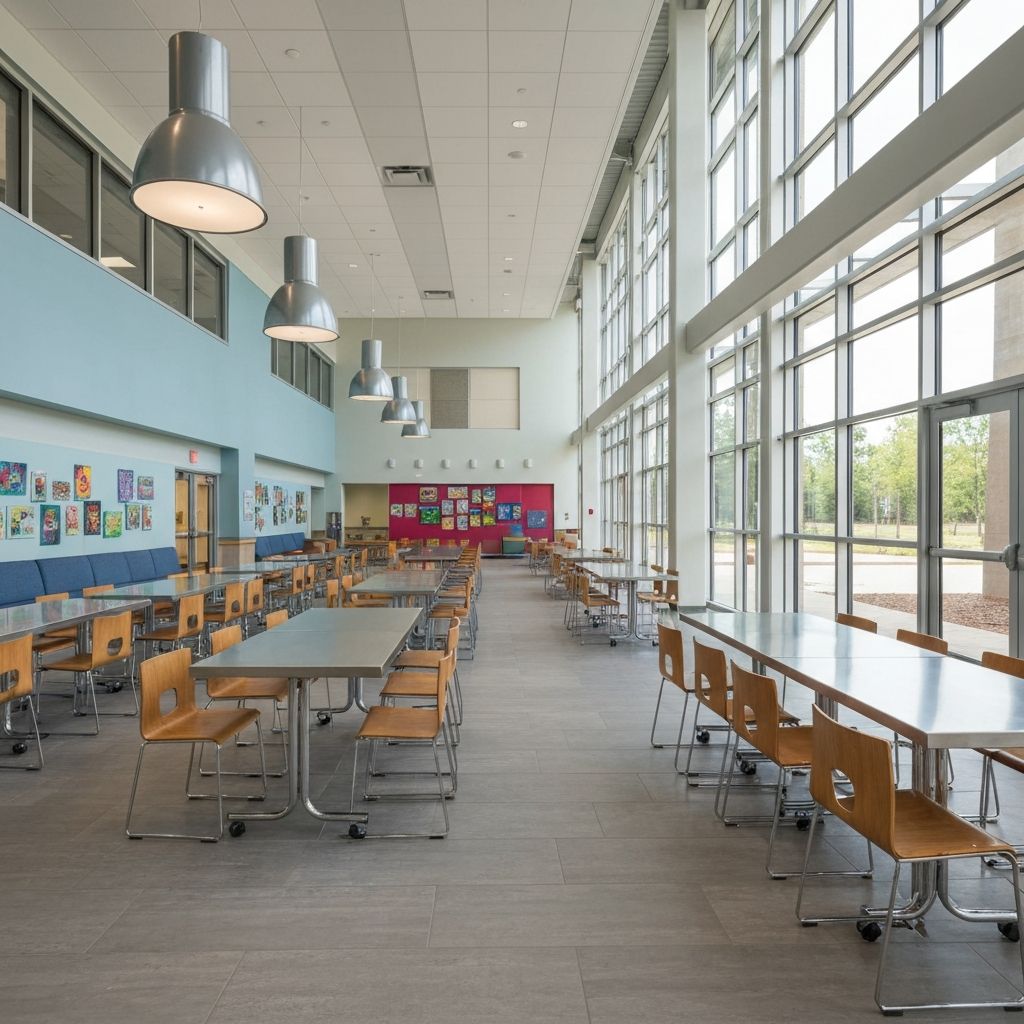
Uganda Primary School Cafeteria Renovation
Cafeteria tables, bench seating, room-coded export packing and phased delivery support.
Country
Uganda
Region
Africa
Project Type
Cafeteria
Project Record
What had to be solved before the furniture order made sense
The project centered on a primary school dining hall where the existing loose tables were difficult to clean, slow to reset between meal periods and inconsistent in height. The buyer needed a practical cafeteria package that could withstand daily student use without turning the renovation into a complex installation job.
DADA treated the dining hall as a seat-count and traffic-flow project rather than a simple table purchase. The quote was organized around meal capacity, table format, cleaning aisles, spare units, carton labels and delivery timing so the school could receive furniture during the renovation window.
Because the site team needed fast placement after unloading, the furniture list was separated by dining zones instead of being packed as one mixed bulk order. That made the receiving process easier for local staff and reduced the risk of cartons being opened in the wrong area.
Use area
Primary school dining hall and canteen service area
Planning seat band
240-360 students across staggered meal periods
Main furniture
Cafeteria tables, bench seating, spare units and finish samples
Priority
Durable tops, easy cleaning, stable frames and room-coded packing
Delivery logic
Export cartons grouped by dining zone for faster site placement
Buyer documents
Seat target, hall dimensions, preferred table format and port details
Project Brief
Scope details behind the quotation
This case starts from a primary school dining hall upgrade in Uganda. The furniture list is broken down by use area, product family and site handling requirement so the quotation can include the right models, quantities, packing notes and delivery plan.
Area
Dining rows
Furniture
Rectangular cafeteria tables with bench or loose-seat options
Planned by seat count first, then checked against aisle width so students and staff could move through the hall during peak meal service.
Area
Serving-side circulation
Furniture
Compact table formats and clear end-row spacing
The table layout kept a cleaner path near the serving side instead of filling the entire hall with the same repeated table spacing.
Area
Cleaning and maintenance
Furniture
Wipeable tabletop finish, reinforced edges and powder-coated frames
Material selection focused on repeated cleaning, food spills and everyday chair or bench movement rather than showroom appearance.
Area
Receiving and placement
Furniture
Carton labels, spare hardware and zone-by-zone packing list
Labels were planned around dining zones so the local team could place furniture before final assembly and inspection.
Furniture Package
Furniture used in this project format
Space Plan
Room zones to confirm before production
Dining rows
Confirm dimensions, quantity, finish and placement before DADA prepares final quotation and packing labels.
Serving-side circulation
Confirm dimensions, quantity, finish and placement before DADA prepares final quotation and packing labels.
Cleaning access
Confirm dimensions, quantity, finish and placement before DADA prepares final quotation and packing labels.
Spare seating storage
Confirm dimensions, quantity, finish and placement before DADA prepares final quotation and packing labels.
Project Build Path
Work sequence from brief to handover
The work sequence records the checks, approvals and handover documents that keep the furniture package clear before it leaves the factory.
Capacity and table format check
The first check was the number of students served per meal period, not the total school enrollment. That kept the table count realistic and avoided oversupplying the hall.
Finish and sample confirmation
Tabletop finish, edge detail and frame color were prepared for approval before bulk production, with emphasis on cleaning, abrasion resistance and repeat-order consistency.
Production and carton grouping
Tables, seating parts and spare items were grouped by furniture type and dining zone, then marked so receiving staff could separate cartons before opening them.
Pre-shipment inspection
The inspection focus was frame stability, tabletop condition, edge protection, carton marks and hardware completeness before the goods were released for export loading.
Site handover preparation
The final packing list gave the buyer a practical check sheet for unloading, counting, placing and reporting any issue before the renovated cafeteria reopened.
Quotation Inputs
What to send for a similar project quote
Clear RFQ inputs reduce back-and-forth and help DADA recommend a suitable factory-direct furniture package instead of quoting isolated items.
Project Outcome
Final result and reorder notes
The cafeteria package gave the school a clearer seating plan, more consistent table heights and a furniture list that maintenance staff could clean and reset more easily.
The buyer received a quotation structure that separated tables, seating, spare parts, packing and delivery notes, making later reorders easier to compare.
The case is most relevant for schools replacing mixed, worn dining furniture with a cleaner and more controlled cafeteria package.
Buyer Questions
Questions to confirm before production
These are the practical details DADA needs before turning a similar project into a bulk order schedule.
What furniture is included in the Uganda Primary School Cafeteria Renovation?
Cafeteria tables, bench seating, room-coded export packing and phased delivery support. The typical furniture package includes Cafeteria tables, Dining benches, Canteen chairs, Tabletop finish samples.
How does DADA plan a similar cafeteria project?
The dining hall is planned by seat count, table format, cleaning flow and carton labels by dining zone. DADA then confirms model, size, material, color, quantity, packing and shipment requirements before quotation.
What information should buyers send before requesting a quotation?
Send the room layout, room list, target quantity, preferred materials, color requirements, packaging needs, delivery window and destination port.
Can DADA quote fixed prices from this information?
No. Final school furniture project pricing depends on quantity, materials, dimensions, customization, packing method and destination port. Buyers should request a project quotation.
Related Products
Product options to review after the case details
Compare the closest furniture families after the project scope, capacity, finish and delivery notes are clear.
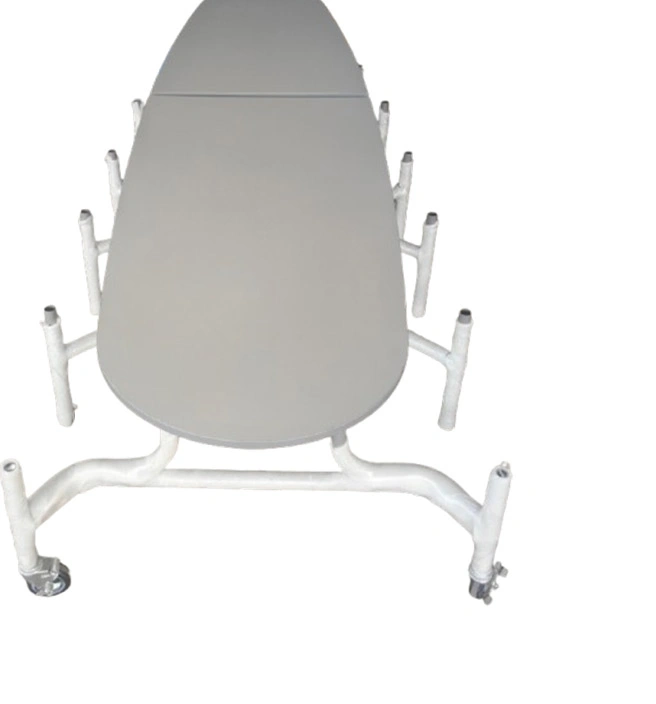
SKU FT0009-1
School Canteen Table 12 Seats Foldable Dining Table Folding Cafeteria Table
Request Latest Factory Price
View product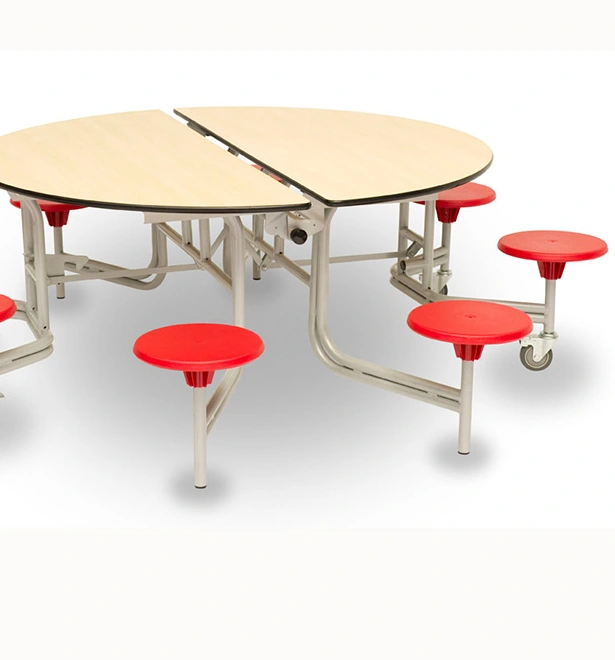
SKU DFT-0005
8 Seat Round Foldable Mobile School Canteen Table Dining Room Furniture Table
Request Latest Factory Price
View product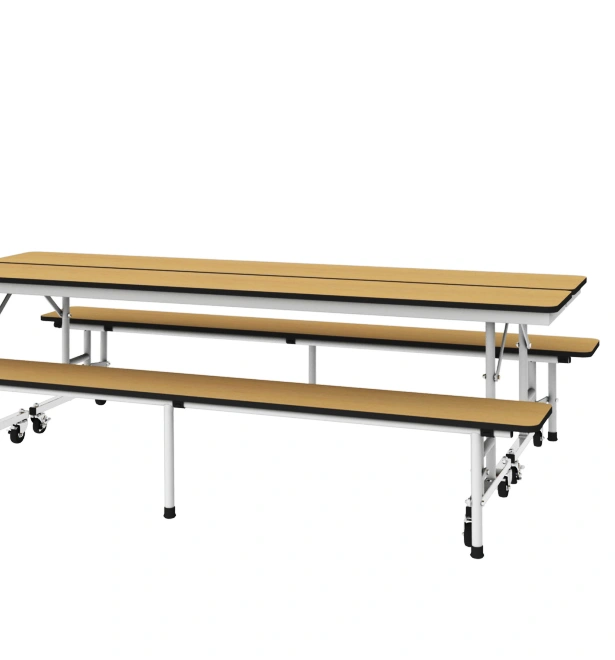
SKU DFT-0002E
Aluminum Alloy Office University Student Lecture Hall Public School Dining Furniture
Request Latest Factory Price
View product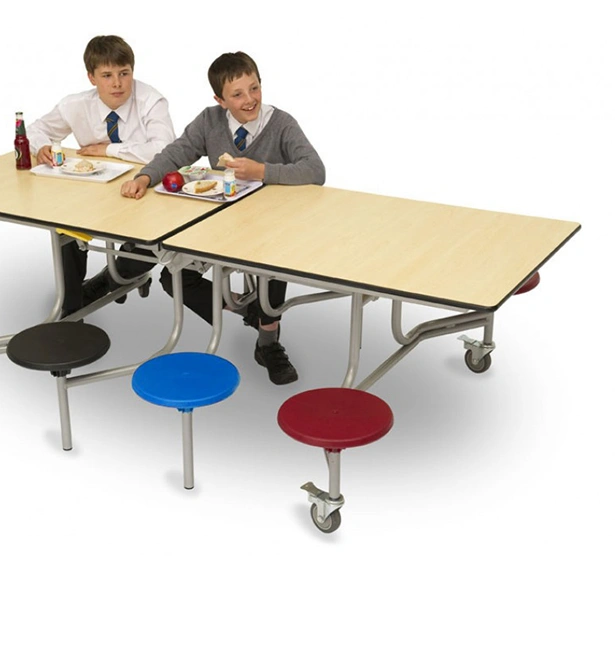
SKU DFT-0003
School Folding Mobile Canteen Dining Multi-Function Table Furniture Multi People 8-12 Persons
Request Latest Factory Price
View productStart a similar project
Need a cafeteria furniture quotation for Uganda?
Send your layout, furniture list, quantity range, material preference, packaging needs and destination port. DADA will recommend suitable models and provide a project quotation.