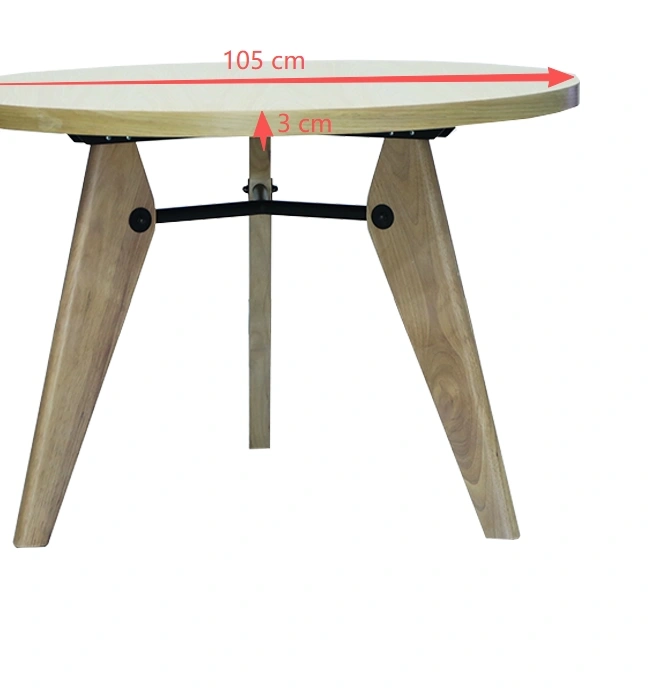
SKU CT0023
Round Dining Table Restaurant and Bar Table
CafeteriaOEM/ODMBulk Order
Request Latest Factory Price
MOQ Reference: 200 pcs
Customization: OEM/ODM Available
Factory-direct school furniture manufacturing, OEM/ODM, project quotation and export support for global education buyers
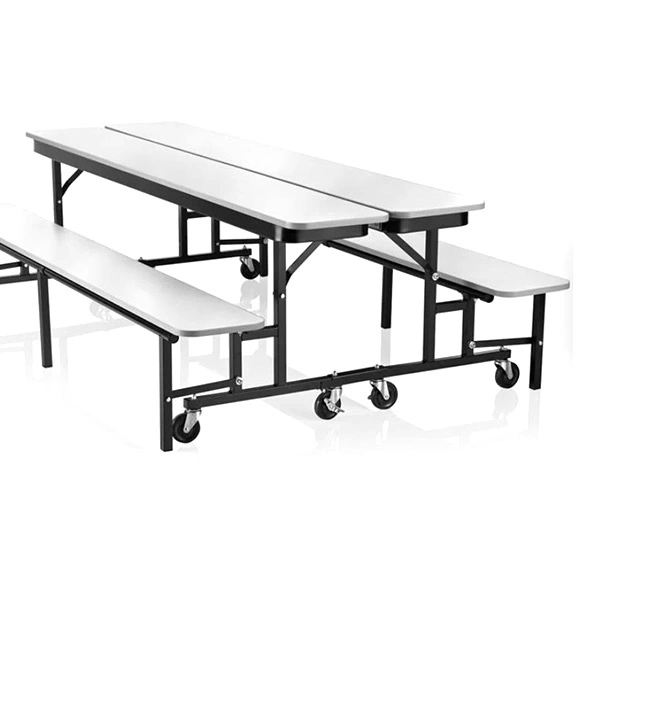
Browse our selection of cafeteria tables designed for high-traffic dining environments. Featuring folding mechanisms, easy-clean surfaces, and robust construction, these tables are perfect for school lunchrooms, corporate cafeterias, and community centers.
Dining hall furniture
Cafeteria tables need to handle daily cleaning, fast turnover, heavy student traffic, and occasional room reconfiguration. DADA supplies dining tables and related seating for canteens, commons, and multi-use school halls.
Start with seat count, aisle width, serving flow, and cleaning schedule before choosing table format.
Compare loose chairs, benches, folding tables, and fixed formats against the way the dining hall is managed.
Confirm edge protection, tabletop finish, carton labeling, and room-by-room receiving needs before shipment.
Product Listings
SKU CT0023
Request Latest Factory Price
MOQ Reference: 200 pcs
Customization: OEM/ODM Available
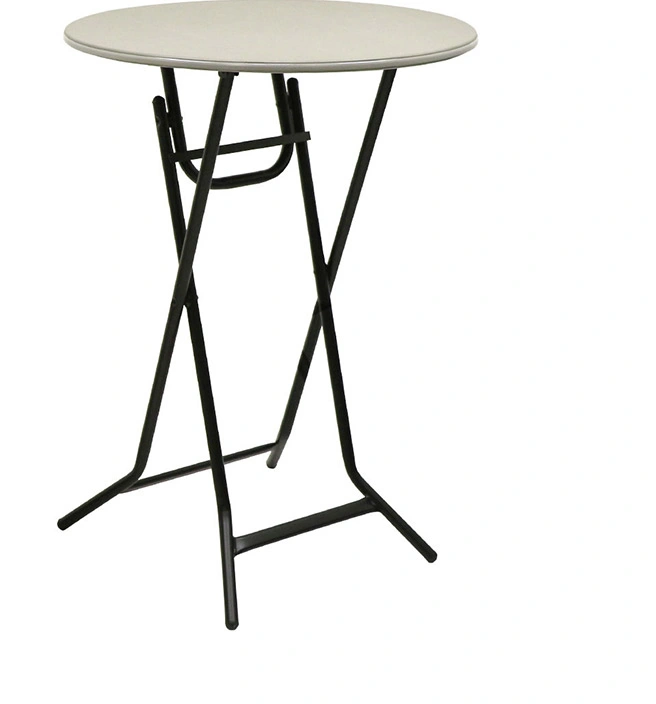
SKU CT0022
Request Latest Factory Price
MOQ Reference: 200 pcs
Customization: OEM/ODM Available
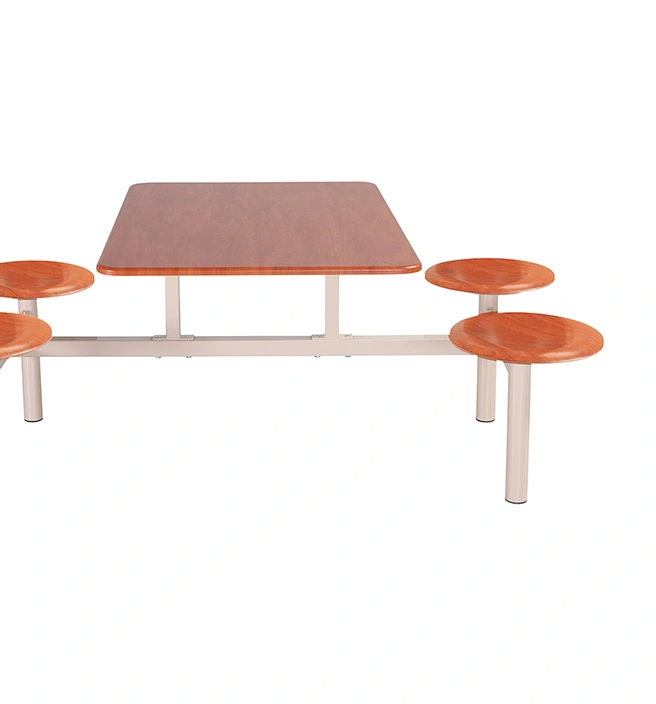
SKU CT0021
Request Latest Factory Price
MOQ Reference: 200 pcs
Customization: OEM/ODM Available
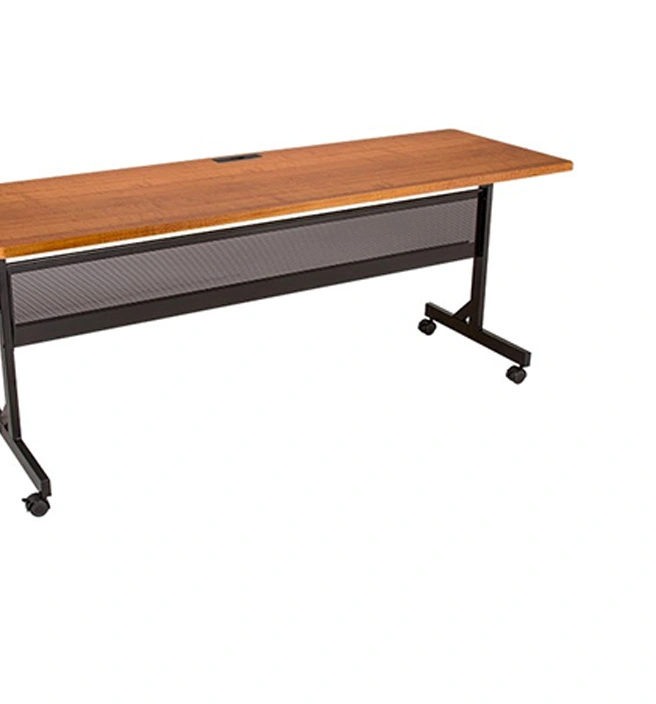
SKU FT0034
Request Latest Factory Price
MOQ Reference: 200 pcs
Customization: OEM/ODM Available
SKU FT0033
Request Latest Factory Price
MOQ Reference: 200 pcs
Customization: OEM/ODM Available
SKU CT0020
Request Latest Factory Price
MOQ Reference: 200 pcs
Customization: OEM/ODM Available
SKU FT0032
Request Latest Factory Price
MOQ Reference: 200 pcs
Customization: OEM/ODM Available
SKU FT0024
Request Latest Factory Price
MOQ Reference: 200 pcs
Customization: OEM/ODM Available
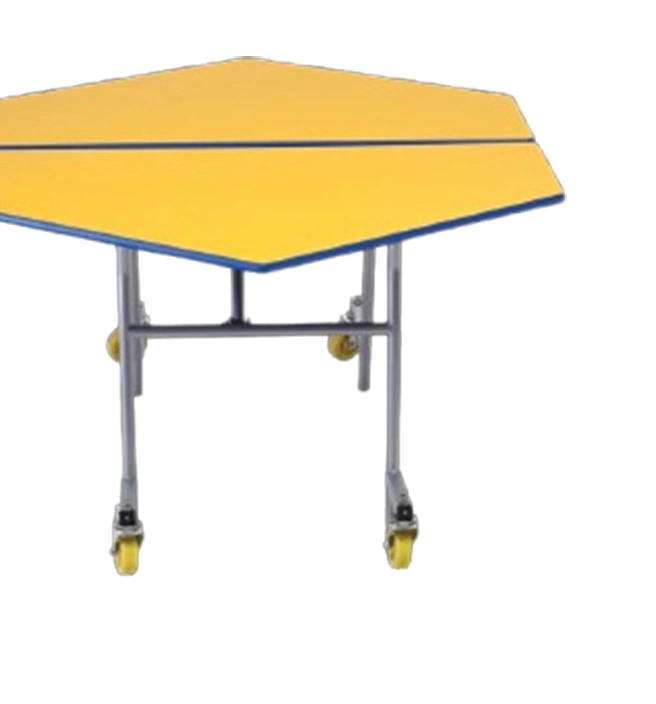
SKU FT0030
Request Latest Factory Price
MOQ Reference: 200 pcs
Customization: OEM/ODM Available
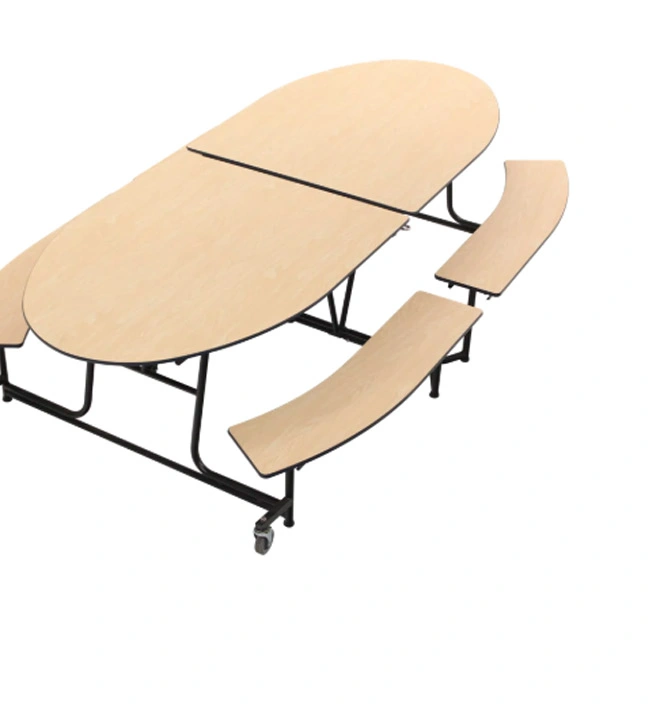
SKU FT0031
Request Latest Factory Price
MOQ Reference: 200 pcs
Customization: OEM/ODM Available
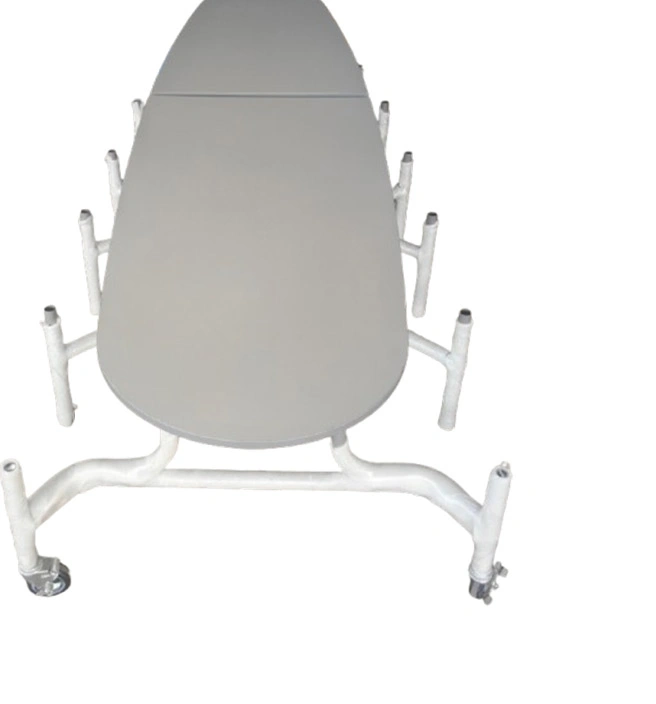
SKU FT0009-1
Request Latest Factory Price
MOQ Reference: 200 pcs
Customization: OEM/ODM Available
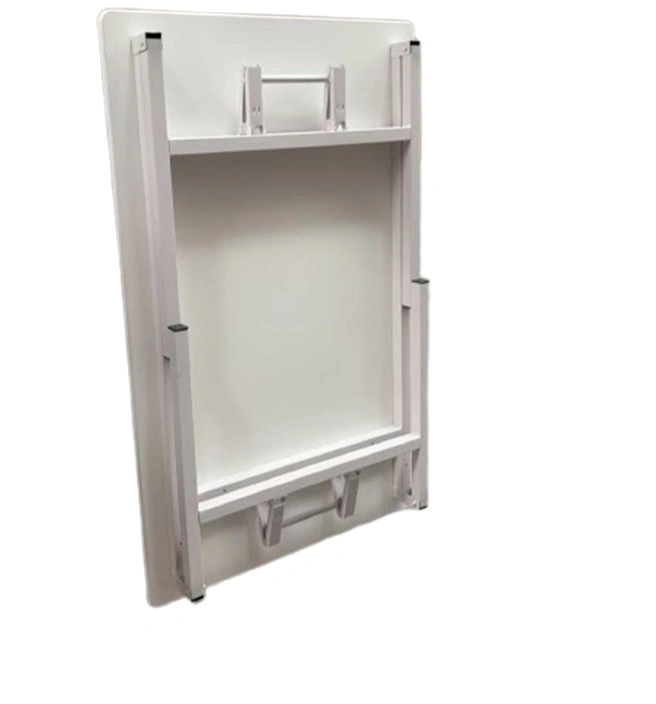
SKU FT0027
Request Latest Factory Price
MOQ Reference: 200 pcs
Customization: OEM/ODM Available
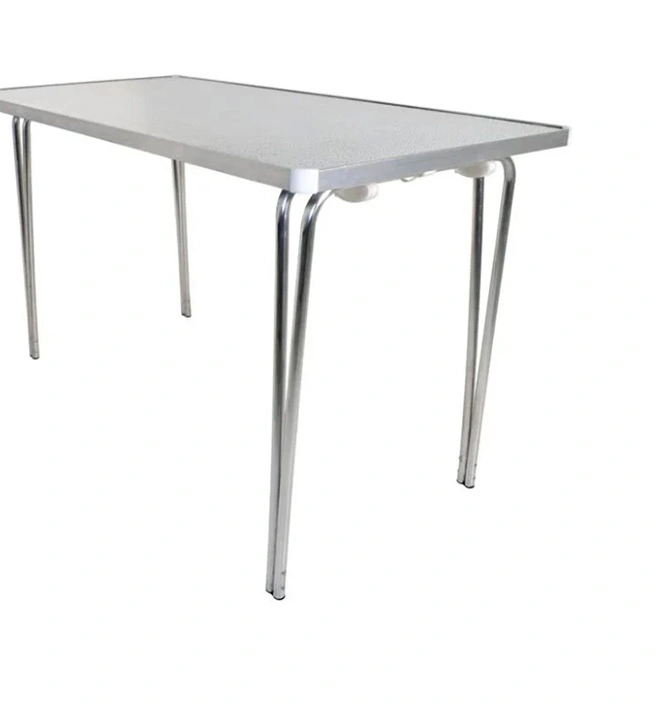
SKU FT0025
Request Latest Factory Price
MOQ Reference: 200 pcs
Customization: OEM/ODM Available
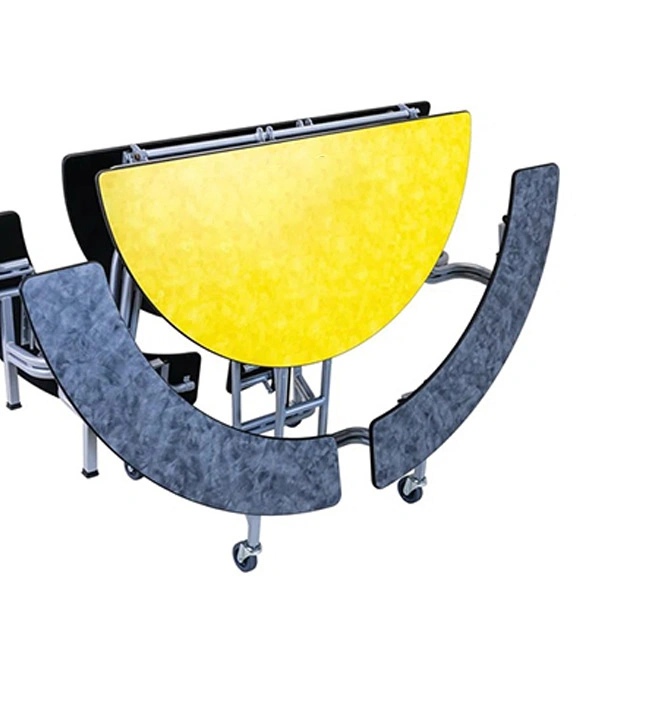
SKU FT0017
Request Latest Factory Price
MOQ Reference: 200 pcs
Customization: OEM/ODM Available
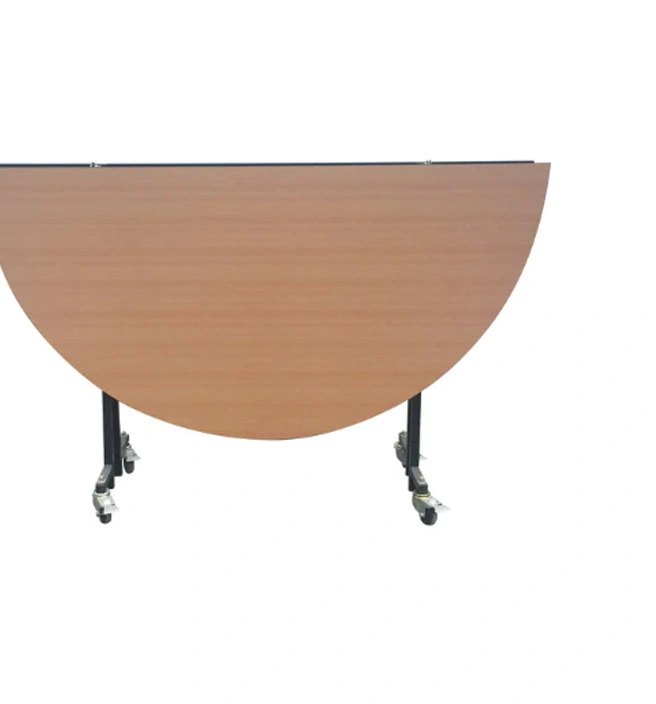
SKU FT0026
Request Latest Factory Price
MOQ Reference: 200 pcs
Customization: OEM/ODM Available
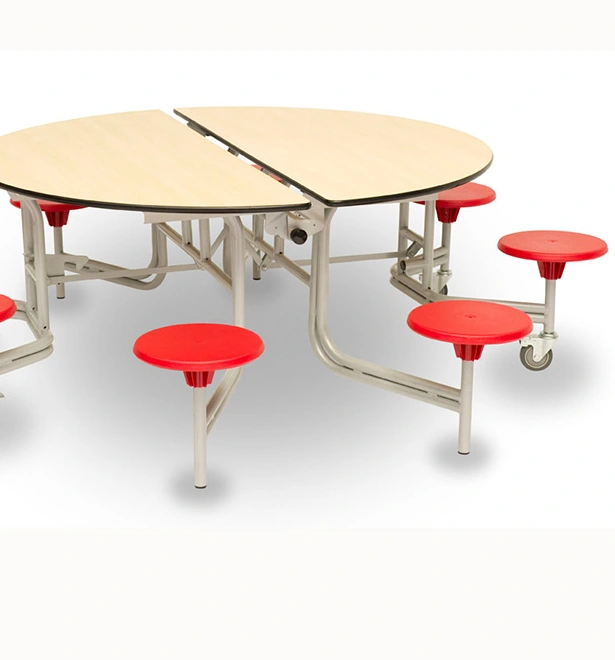
SKU DFT-0005
Request Latest Factory Price
MOQ Reference: 200 pcs
Customization: OEM/ODM Available
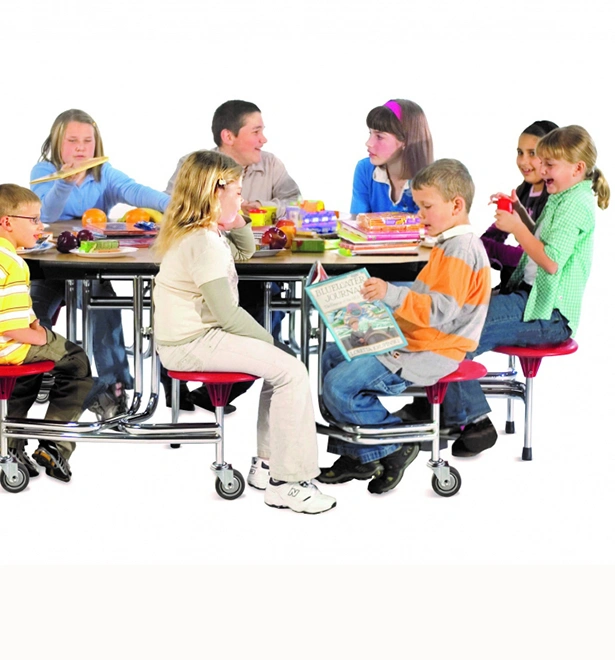
SKU DFT-0017
Request Latest Factory Price
MOQ Reference: 200 pcs
Customization: OEM/ODM Available
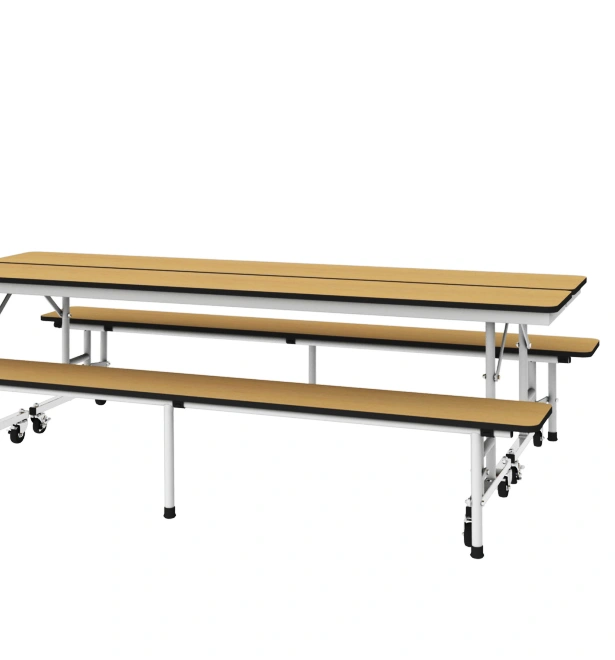
SKU DFT-0002E
Request Latest Factory Price
MOQ Reference: 200 pcs
Customization: OEM/ODM Available
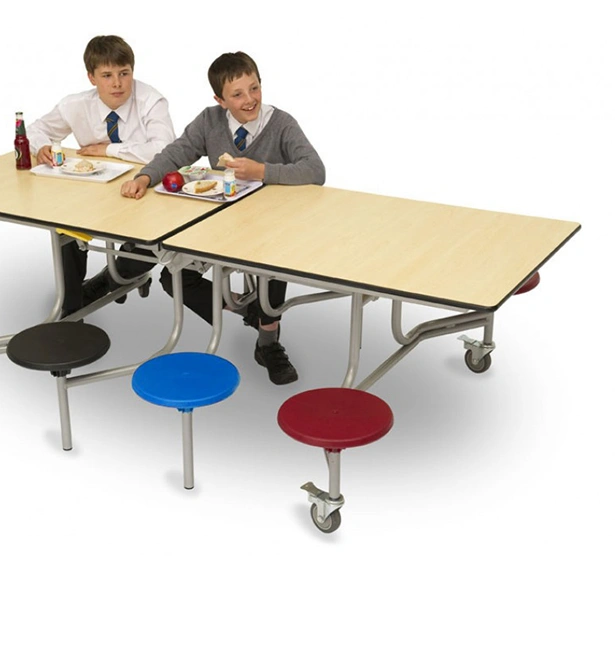
SKU DFT-0003
Request Latest Factory Price
MOQ Reference: 200 pcs
Customization: OEM/ODM Available
CAFETERIA TABLE
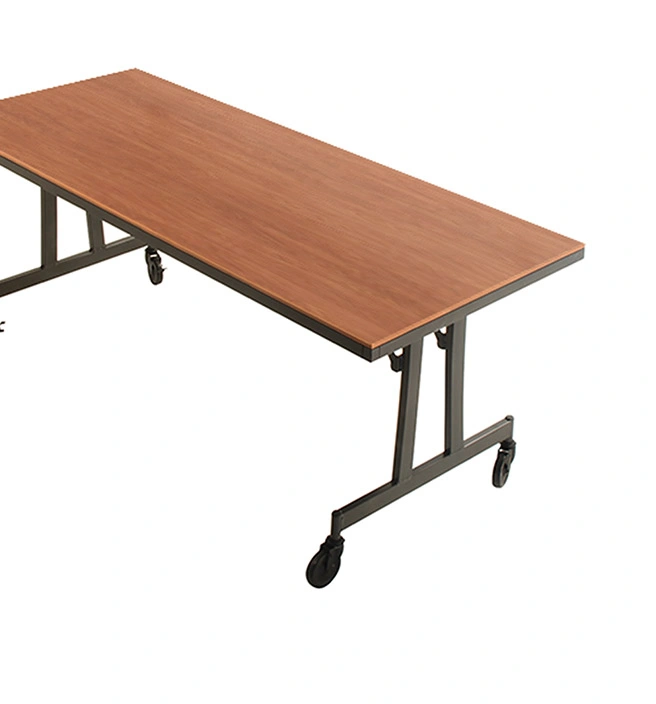
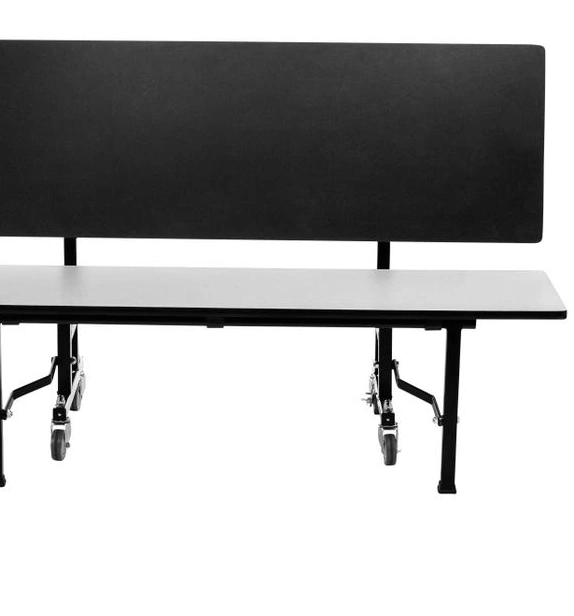
Our cafeteria tables are built to withstand heavy daily use while providing comfortable dining space. Many models feature folding designs for easy storage and quick room reconfiguration.
Space-saving folding mechanisms allow tables to be quickly stored when not in use, enabling multipurpose room configurations. Tables fold flat for efficient storage.
Laminate and plastic surfaces resist stains and are easily wiped clean. Sealed edges prevent moisture penetration for long-lasting durability.
Featured Series
Selected product families grouped for B2B buyers who want a faster path from category review to factory quotation.

Factory-ready desk and chair combinations for classrooms, training rooms and mixed-age learning programs.

Training-room and lecture-space seating with integrated writing surfaces for compact layouts and exam use.

Student storage programs for classrooms, corridors and shared learning spaces with export-ready packing support.

Dormitory bed systems, storage and study combinations for campus accommodation and boarding projects.

Specialist-room workstation programs for school labs, STEM rooms and supervised practical-learning environments.

Reading tables, shelving and support storage for library programs, media centers and study spaces.