Factory-direct school furniture manufacturing, OEM/ODM, project quotation and export support for global education buyers
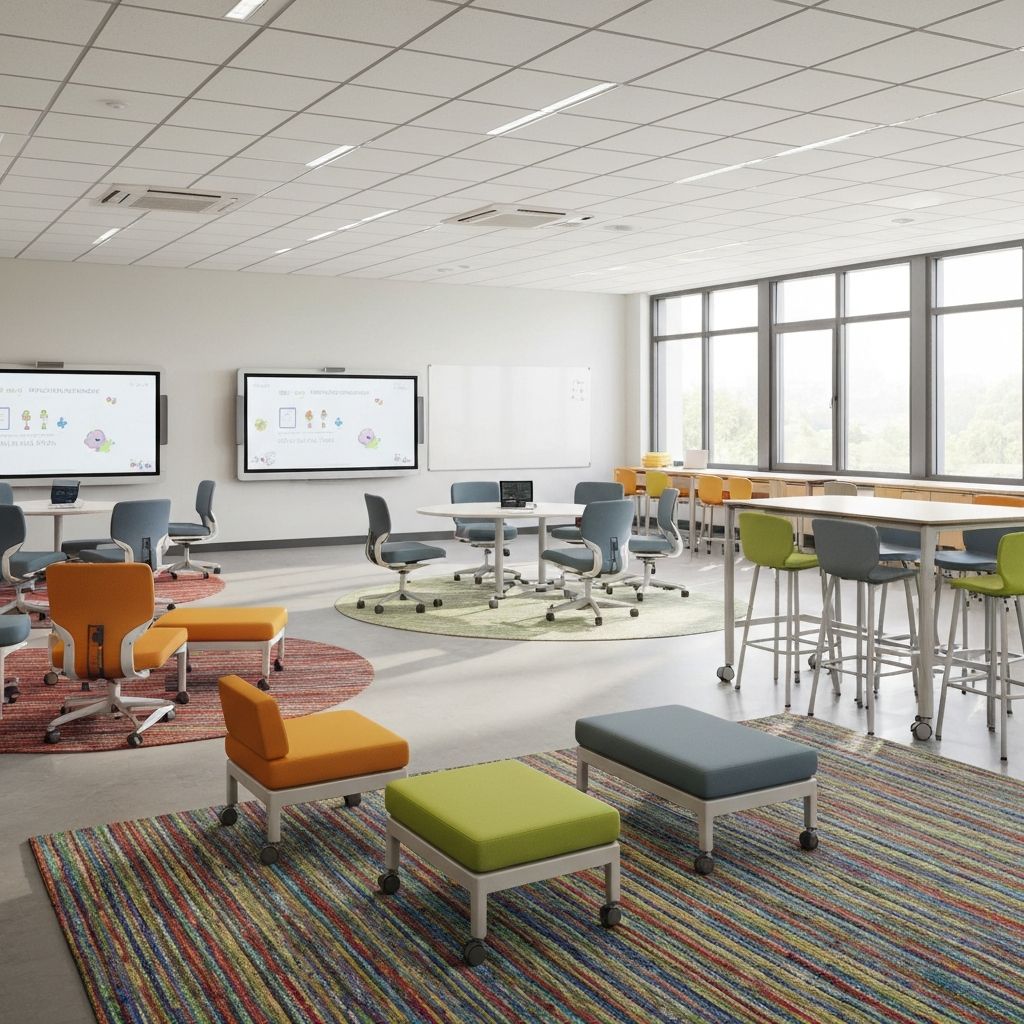
Kenya / Dormitory
Kenya Boarding School Dormitory Furniture Supply
Bunk beds, wardrobes, study desks, spare hardware and container loading support.
Country
Kenya
Region
Africa
Project Type
Dormitory
Project Record
What had to be solved before the furniture order made sense
The buyer was expanding boarding capacity and needed a dormitory package that covered sleeping, storage and study use in one order. Treating the request as a bed-only purchase would have left the school to solve wardrobes, desks, spare hardware and assembly issues later.
DADA organized the quotation around room count, bed count, student storage, study points, hardware packs and container loading. That made the furniture list easier to review with the school team and easier to receive when the cartons arrived on site.
For this type of Kenya boarding school project, the important details are not decorative. The buyer needs a bed system that is durable, repeatable, clearly packed and practical for local assembly after long-distance shipment.
Use area
Boarding school dormitory rooms and student accommodation blocks
Planning bed band
120-240 student beds depending on room count and layout
Main furniture
Bunk beds, wardrobes, study desks, chairs, ladders, guardrails and spare hardware
Priority
Strong frames, protected panels, room-set packing and assembly clarity
Delivery logic
Hardware, panels and frames separated clearly for site assembly
Buyer documents
Room dimensions, bed count, storage requirement, preferred bed type and destination port
Project Brief
Scope details behind the quotation
This case starts from a boarding school accommodation expansion in Kenya. The furniture list is broken down by use area, product family and site handling requirement so the quotation can include the right models, quantities, packing notes and delivery plan.
Area
Sleeping area
Furniture
Dormitory bunk beds or loft beds with guardrails and ladders
Bed type should be confirmed against room height, aisle width, student age group and local assembly capability before final quotation.
Area
Storage wall
Furniture
Student wardrobes, lockers or storage cabinets
Storage capacity is planned with the bed count so the room does not become overcrowded after wardrobes are added.
Area
Study point
Furniture
Student desks, chairs and compact writing surfaces
Study furniture can be quoted as a room set when the school wants each bed position to include a consistent desk and chair.
Area
Assembly support
Furniture
Spare hardware, carton labels and room-set packing list
Hardware packs and labels should make it clear which parts belong to bed frames, panels, wardrobes and desks.
Furniture Package
Furniture used in this project format
Space Plan
Room zones to confirm before production
Sleeping area
Confirm dimensions, quantity, finish and placement before DADA prepares final quotation and packing labels.
Wardrobe and storage wall
Confirm dimensions, quantity, finish and placement before DADA prepares final quotation and packing labels.
Study corner
Confirm dimensions, quantity, finish and placement before DADA prepares final quotation and packing labels.
Assembly and spare hardware pack
Confirm dimensions, quantity, finish and placement before DADA prepares final quotation and packing labels.
Project Build Path
Work sequence from brief to handover
The work sequence records the checks, approvals and handover documents that keep the furniture package clear before it leaves the factory.
Confirm bed count and room dimensions
The first step is to match bed quantity with room size, walkway clearance, ceiling height and the required mix of sleeping and storage functions.
Select bed, wardrobe and desk formats
DADA prepares model options based on frame strength, panel finish, maintenance needs and whether the buyer wants bed-only supply or full room sets.
Plan hardware and carton separation
Frames, panels, ladders, guardrails and hardware are grouped so site teams can assemble room by room instead of opening mixed cartons.
Check packing and loading sequence
The packing plan protects painted frames and panels while keeping hardware and replacement parts easy to identify before container loading.
Prepare receiving notes
The buyer receives a practical list for counting beds, wardrobes, desks and hardware after unloading at the dormitory site.
Quotation Inputs
What to send for a similar project quote
Clear RFQ inputs reduce back-and-forth and help DADA recommend a suitable factory-direct furniture package instead of quoting isolated items.
Project Outcome
Final result and reorder notes
The dormitory package gives the school a more complete accommodation order rather than a loose bed-frame purchase.
Room-set packing and hardware separation reduce confusion during local installation.
The case is most useful for boarding schools that need beds, storage and study furniture quoted together.
Buyer Questions
Questions to confirm before production
These are the practical details DADA needs before turning a similar project into a bulk order schedule.
What furniture is included in the Kenya Boarding School Dormitory Furniture Supply?
Bunk beds, wardrobes, study desks, spare hardware and container loading support. The typical furniture package includes Dormitory bunk beds, Loft beds with desk, Student wardrobes, Study desks and hardware kits.
How does DADA plan a similar dormitory project?
The accommodation package is planned by bed count, room dimensions, storage needs, assembly sequence and container loading. DADA then confirms model, size, material, color, quantity, packing and shipment requirements before quotation.
What information should buyers send before requesting a quotation?
Send the room layout, room list, target quantity, preferred materials, color requirements, packaging needs, delivery window and destination port.
Can DADA quote fixed prices from this information?
No. Final school furniture project pricing depends on quantity, materials, dimensions, customization, packing method and destination port. Buyers should request a project quotation.
Related Products
Product options to review after the case details
Compare the closest furniture families after the project scope, capacity, finish and delivery notes are clear.
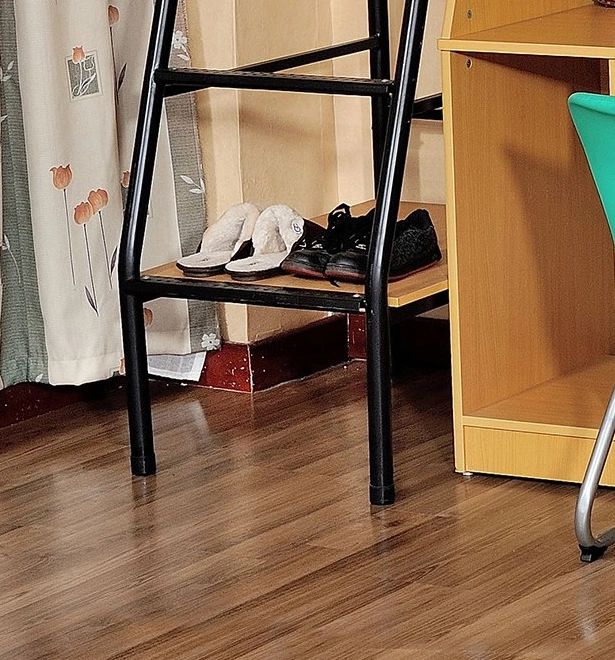
SKU ZDB-0009
School Dormitory Furniture Bunk Beds with Stair for Students and Single Bunk Bed with Desk Combination Underneath
Request Latest Factory Price
View product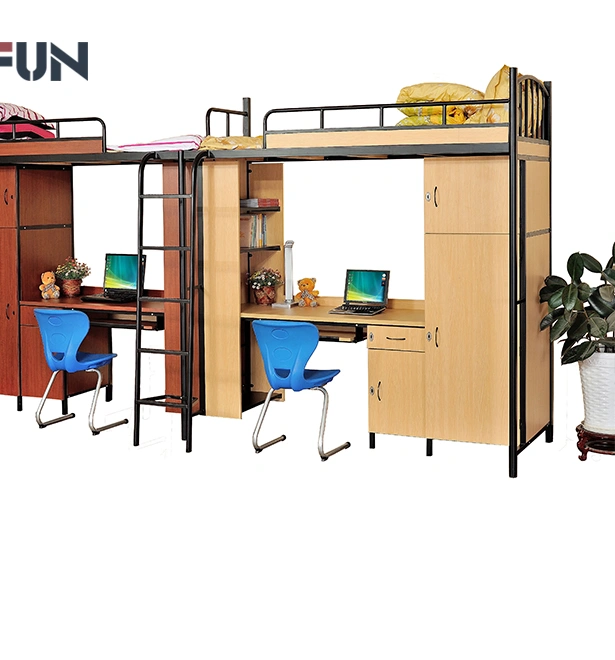
SKU ZDB-0008
Double Size School Furniture Dormitory Wooden Bunk Bed for Adult Students with Wardrobe and Lockable Drawer
Request Latest Factory Price
View product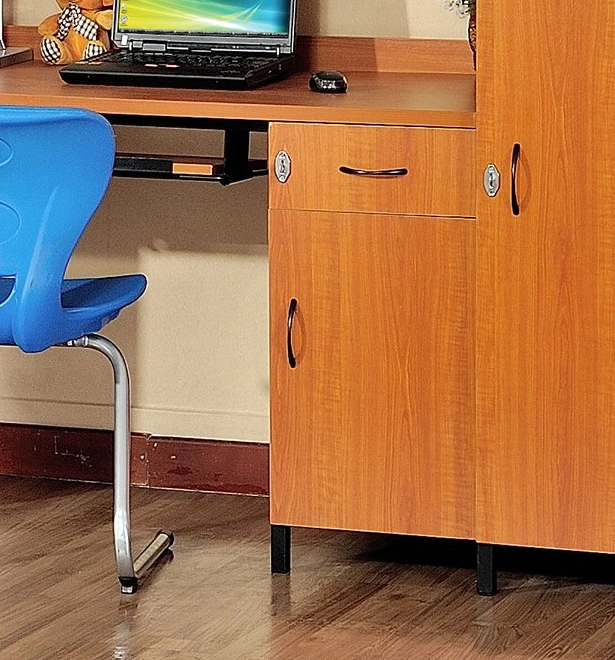
SKU ZDB-0007
University College Dormitory Loft Bunk Bed for Sale and Student Bed Wardrobe Combination Desk Chair Set
Request Latest Factory Price
View product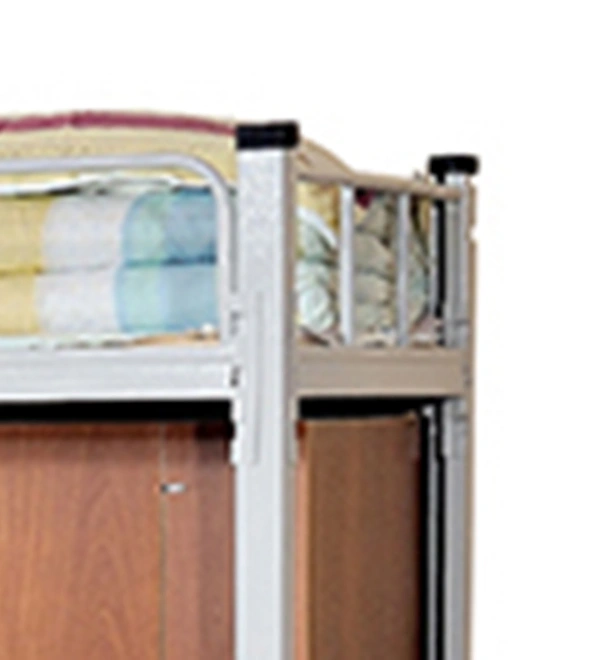
SKU ZDB-0016
The Elegant and Practical School Double Steel Bunk Beds with Desk and Wardrobe Student Loft Bunk and Adult Bunk Bed with Storage
Request Latest Factory Price
View productStart a similar project
Need a dormitory furniture quotation for Kenya?
Send your layout, furniture list, quantity range, material preference, packaging needs and destination port. DADA will recommend suitable models and provide a project quotation.