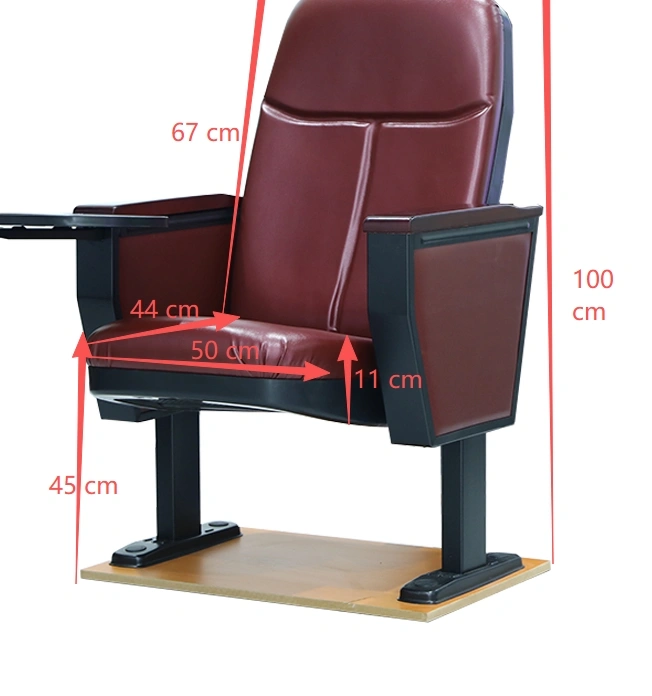
SKU AC0066
PU Leather Auditorium Chair Modern Design Theater Furniture Chair
Auditorium & ChurchOEM/ODMBulk Order
Request Latest Factory Price
MOQ Reference: 200 pcs
Customization: OEM/ODM Available
Factory-direct school furniture manufacturing, OEM/ODM, project quotation and export support for global education buyers
Professional seating solutions for theaters, auditoriums, churches, and conference halls. Our chairs combine ergonomic design, durable construction, and elegant aesthetics. Features include padded seats, stackable designs, and customizable upholstery options. Perfect for educational institutions, worship spaces, performing arts centers, and corporate venues requiring comfortable, space-efficient seating.
Category supply notes
This theater auditorium church chair range is prepared for buyers comparing models, materials, quantities and export requirements before requesting factory pricing. DADA can help match current products with classroom, campus or institutional project needs.
Confirm where the theater auditorium church chair will be used, who will use it daily, and how many rooms or buildings are included.
Share quantity range, preferred material, color requirements, sample expectations and destination country before final quotation.
Review cleaning, storage, replacement and delivery assumptions early so the selected model fits the full project, not only the product photo.
Product Listings
SKU AC0066
Request Latest Factory Price
MOQ Reference: 200 pcs
Customization: OEM/ODM Available
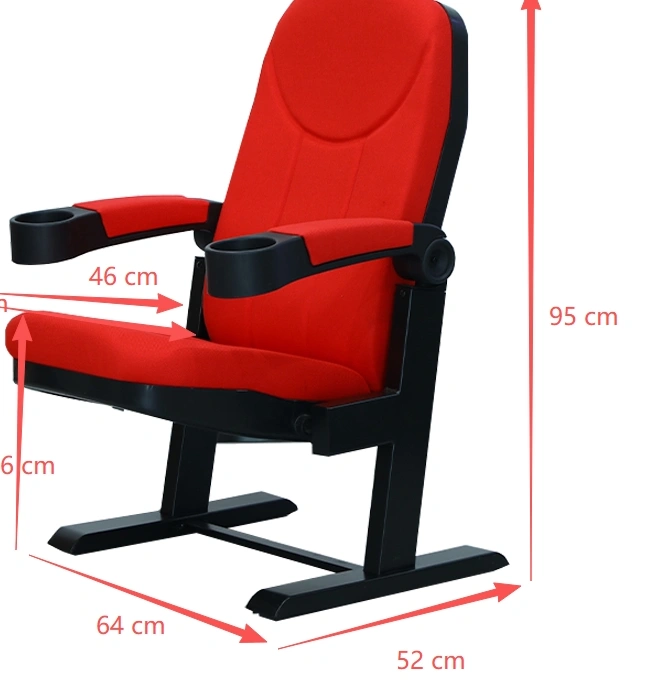
SKU AC0006-1
Request Latest Factory Price
MOQ Reference: 200 pcs
Customization: OEM/ODM Available
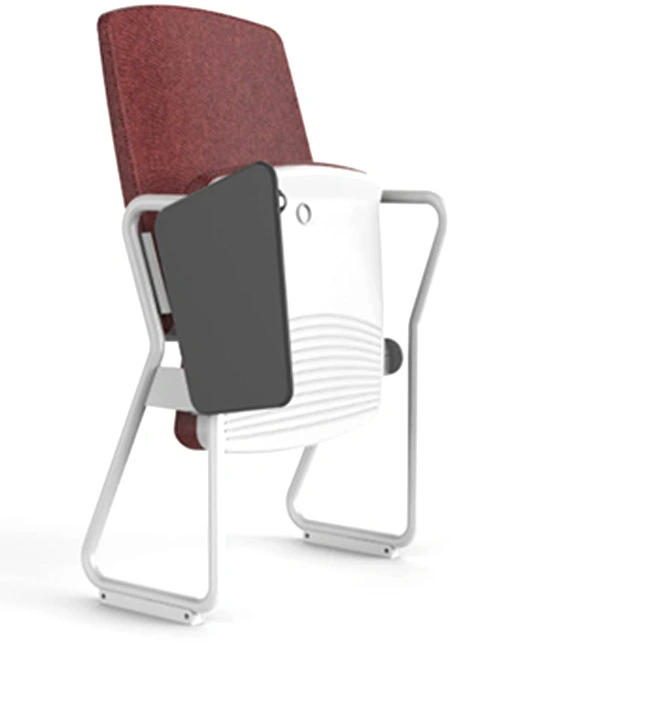
SKU AC0061
Request Latest Factory Price
MOQ Reference: 200 pcs
Customization: OEM/ODM Available
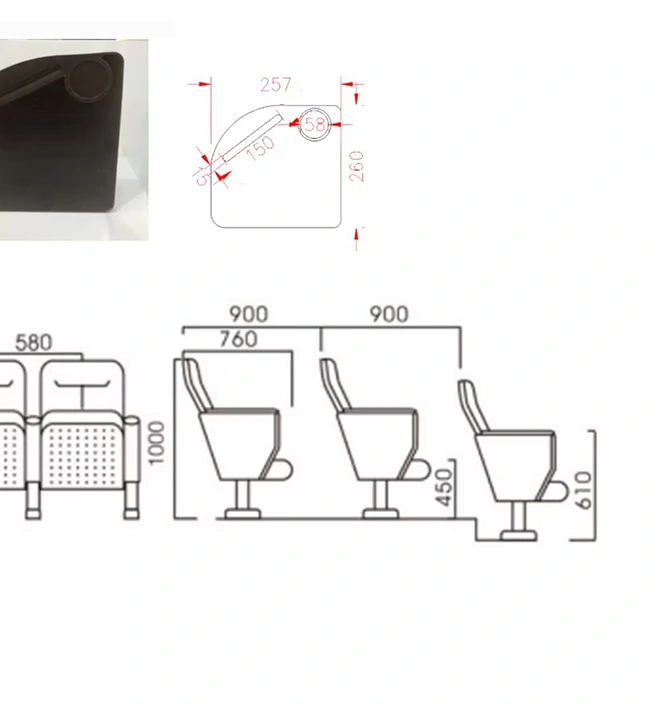
SKU AC0060
Request Latest Factory Price
MOQ Reference: 200 pcs
Customization: OEM/ODM Available
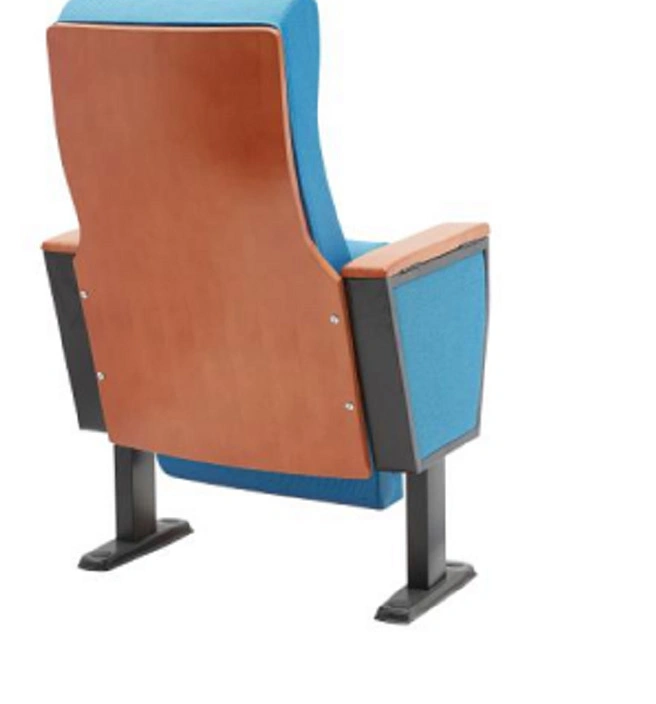
SKU AC0059
Request Latest Factory Price
MOQ Reference: 200 pcs
Customization: OEM/ODM Available
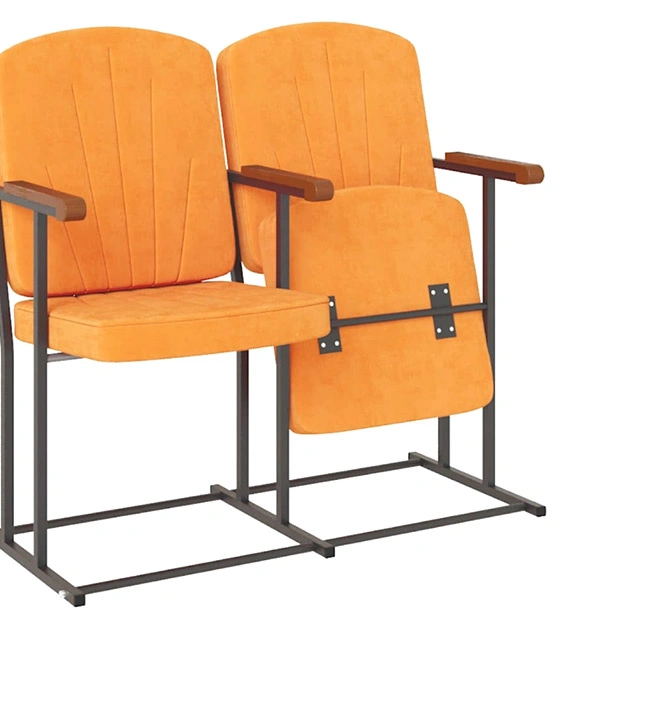
SKU CS0015
Request Latest Factory Price
MOQ Reference: 200 pcs
Customization: OEM/ODM Available
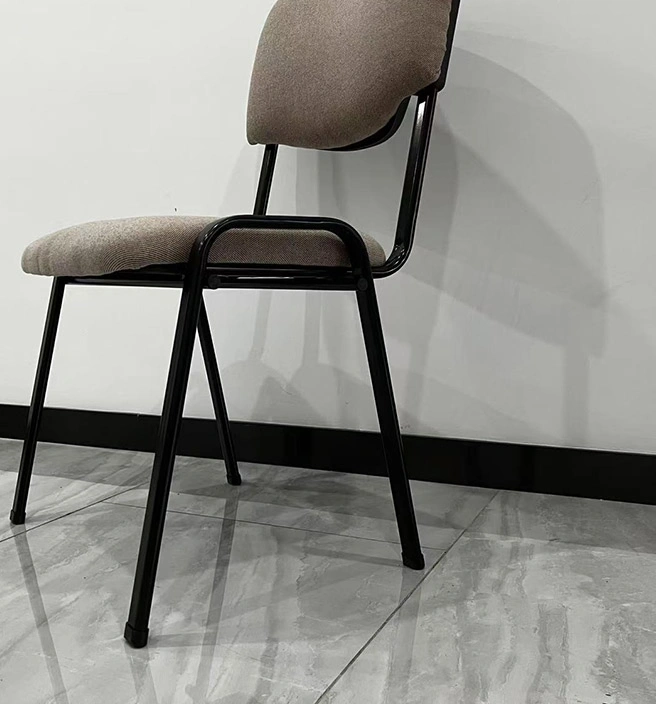
SKU SC0103
Request Latest Factory Price
MOQ Reference: 200 pcs
Customization: OEM/ODM Available
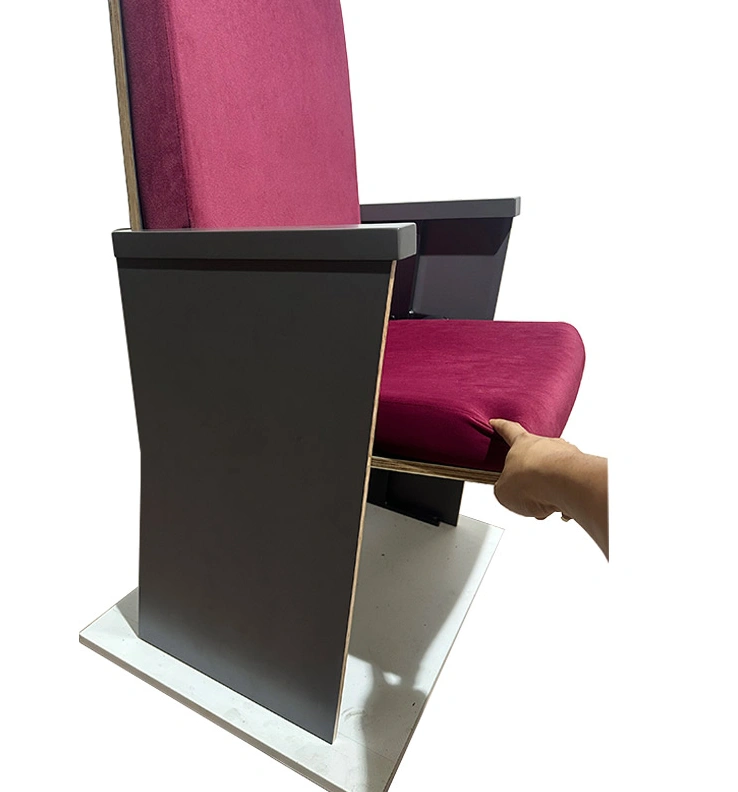
SKU AC0050
Request Latest Factory Price
MOQ Reference: 200 pcs
Customization: OEM/ODM Available
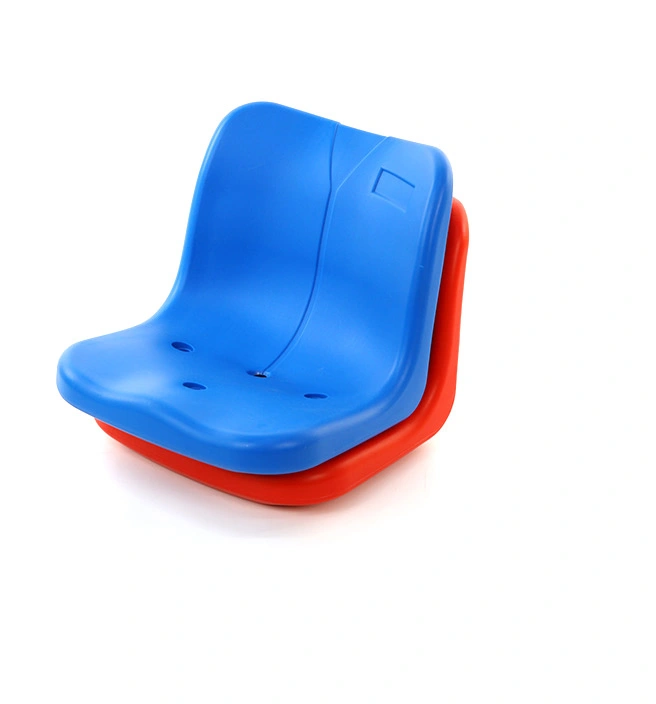
SKU CS0010
Request Latest Factory Price
MOQ Reference: 200 pcs
Customization: OEM/ODM Available
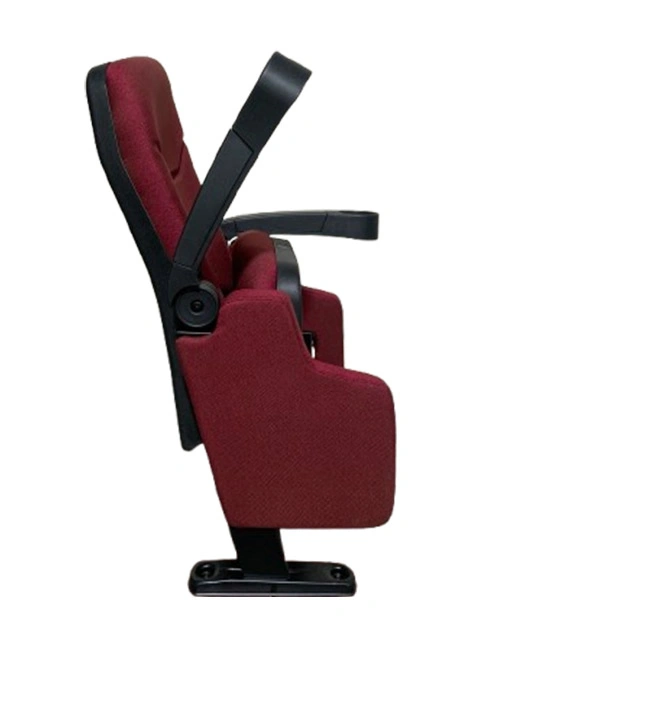
SKU AC0047
Request Latest Factory Price
MOQ Reference: 200 pcs
Customization: OEM/ODM Available
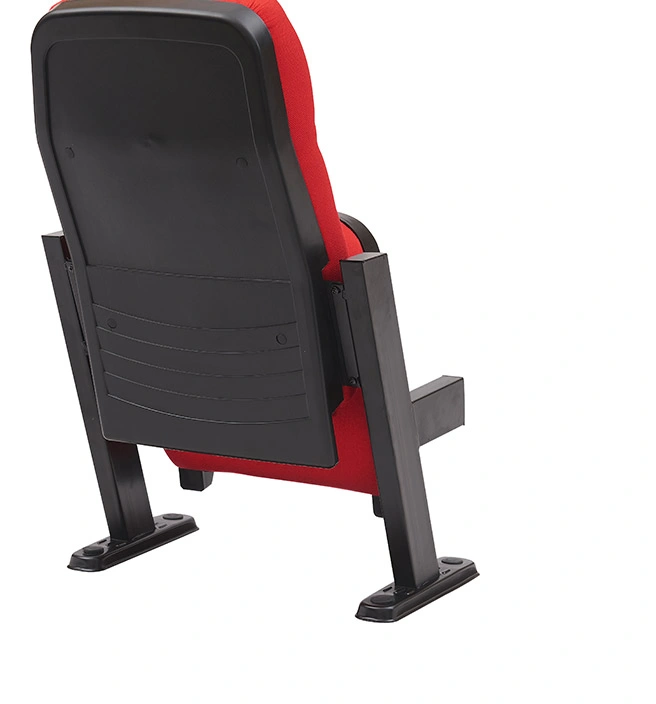
SKU AC0046
Request Latest Factory Price
MOQ Reference: 200 pcs
Customization: OEM/ODM Available
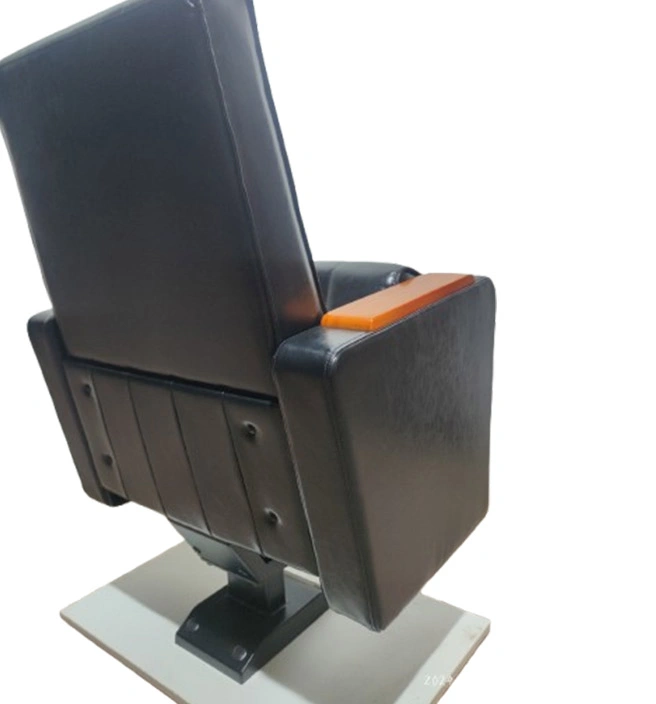
SKU AC0045
Request Latest Factory Price
MOQ Reference: 200 pcs
Customization: OEM/ODM Available
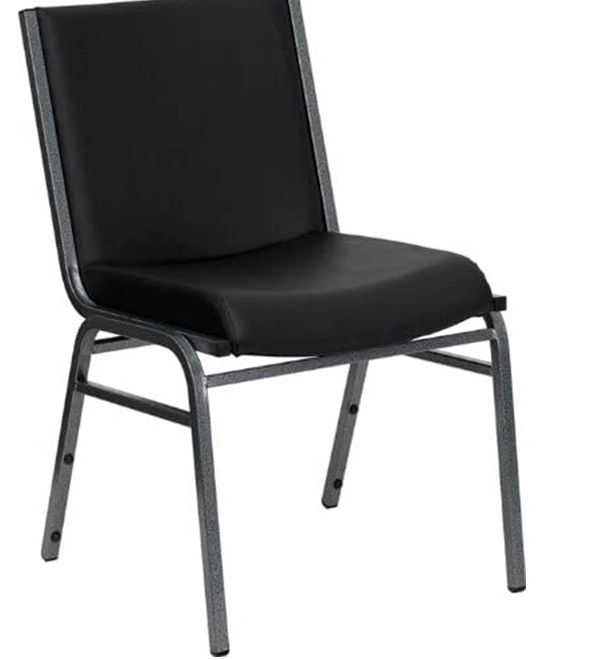
SKU ZCC-0008
Request Latest Factory Price
MOQ Reference: 200 pcs
Customization: OEM/ODM Available
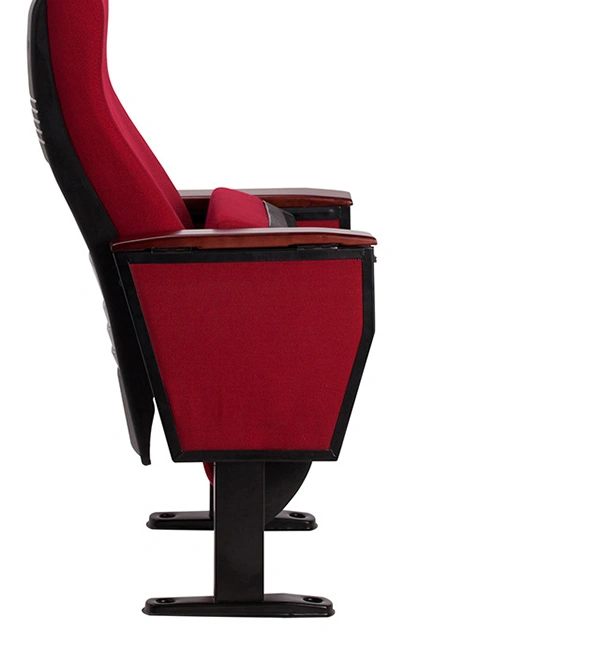
SKU ZCC-0017
Request Latest Factory Price
MOQ Reference: 200 pcs
Customization: OEM/ODM Available
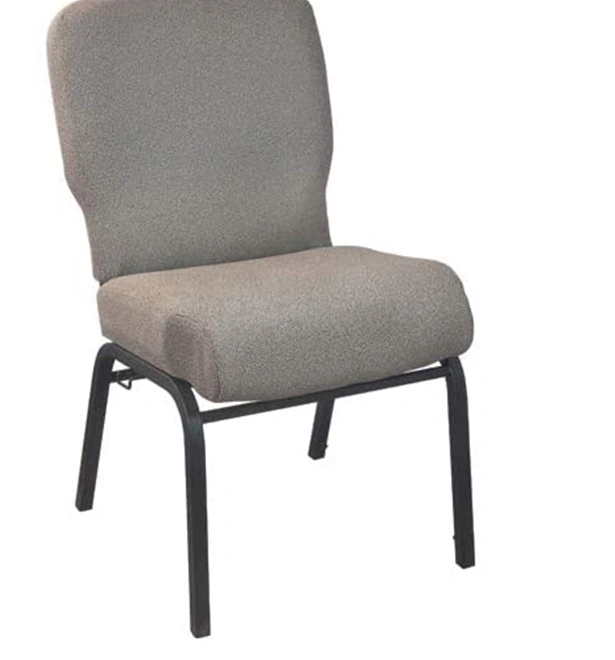
SKU ZCC-0006
Request Latest Factory Price
MOQ Reference: 200 pcs
Customization: OEM/ODM Available
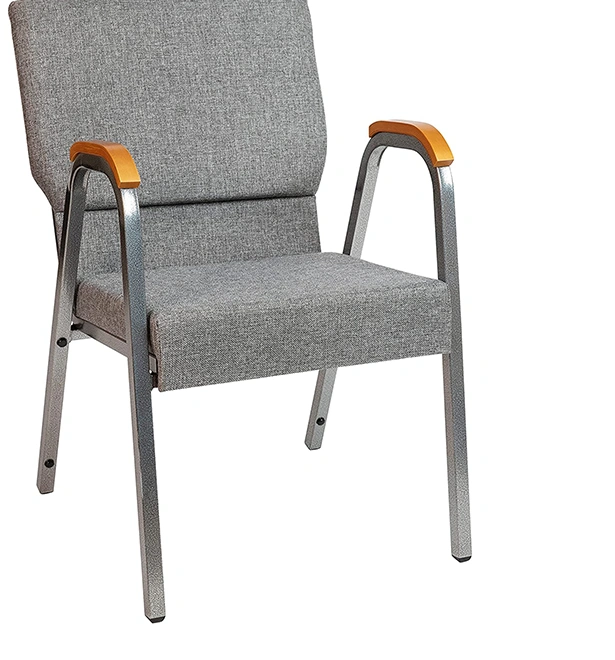
SKU ZCC-0012
Request Latest Factory Price
MOQ Reference: 200 pcs
Customization: OEM/ODM Available
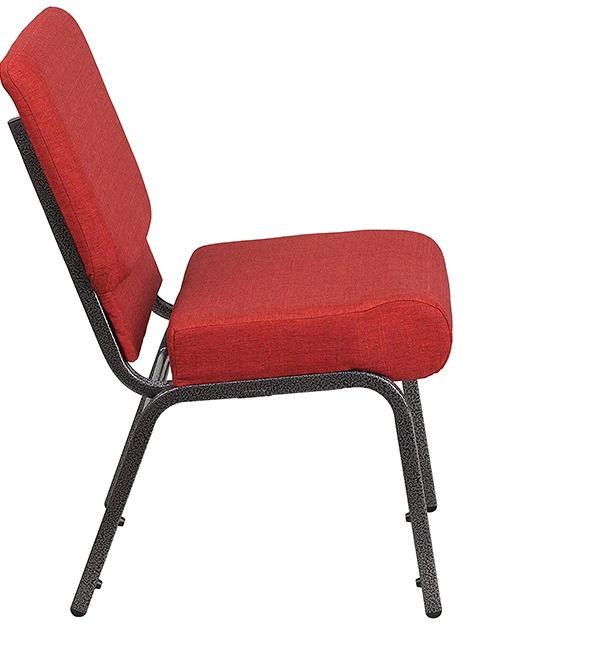
SKU ZCC-0001A
Request Latest Factory Price
MOQ Reference: 200 pcs
Customization: OEM/ODM Available
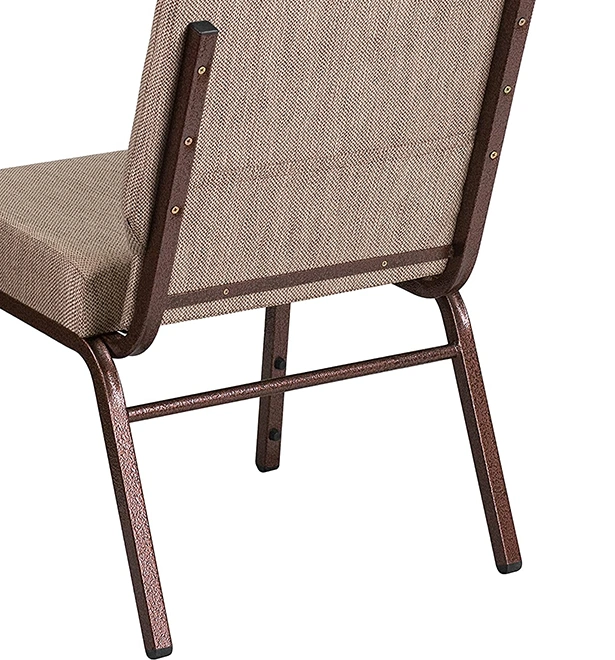
SKU ZCC-0001C
Request Latest Factory Price
MOQ Reference: 200 pcs
Customization: OEM/ODM Available
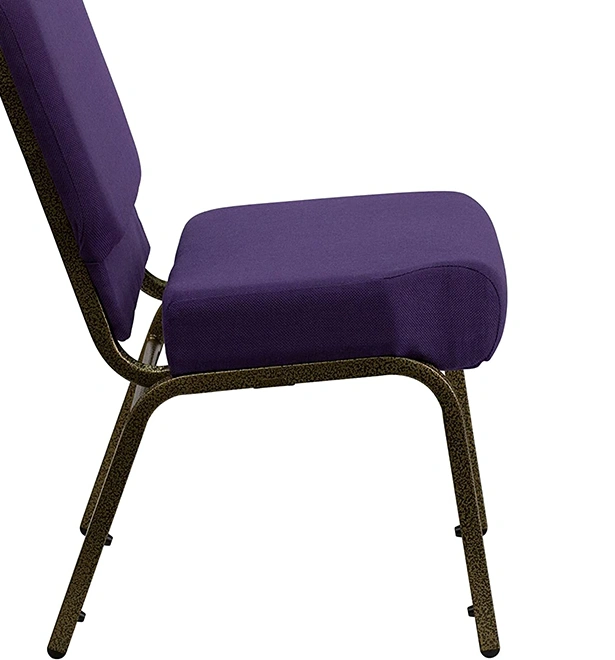
SKU ZCC-0001F
Request Latest Factory Price
MOQ Reference: 200 pcs
Customization: OEM/ODM Available
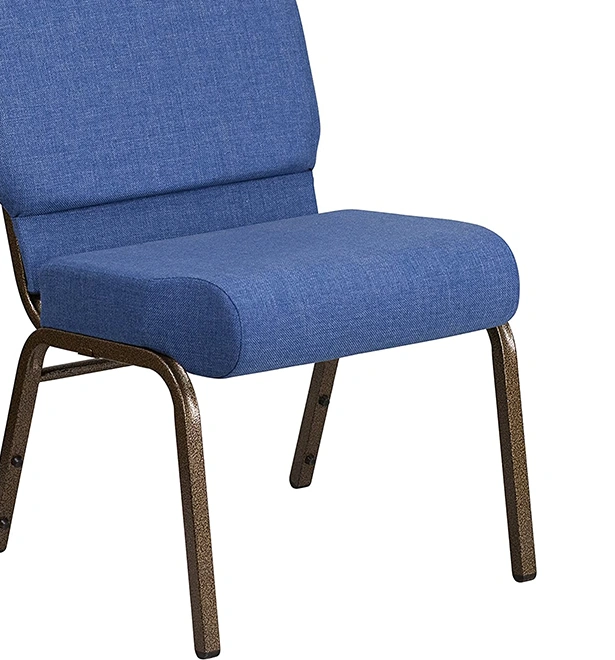
SKU ZCC-0001D
Request Latest Factory Price
MOQ Reference: 200 pcs
Customization: OEM/ODM Available
SKU ZCC-0001E
Request Latest Factory Price
MOQ Reference: 200 pcs
Customization: OEM/ODM Available
SKU ZCC-0001
Request Latest Factory Price
MOQ Reference: 200 pcs
Customization: OEM/ODM Available
SKU ZCC-0004
Request Latest Factory Price
MOQ Reference: 200 pcs
Customization: OEM/ODM Available
SKU ZCC-0014
Request Latest Factory Price
MOQ Reference: 200 pcs
Customization: OEM/ODM Available
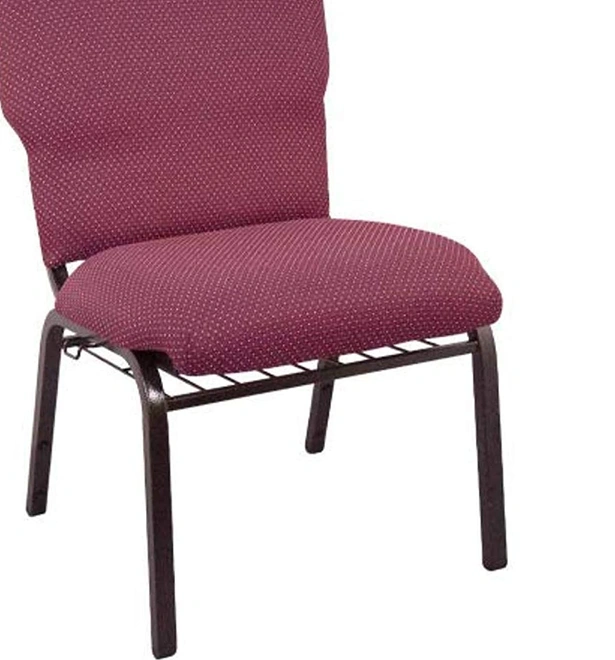
SKU ZCC-0004D
Request Latest Factory Price
MOQ Reference: 200 pcs
Customization: OEM/ODM Available
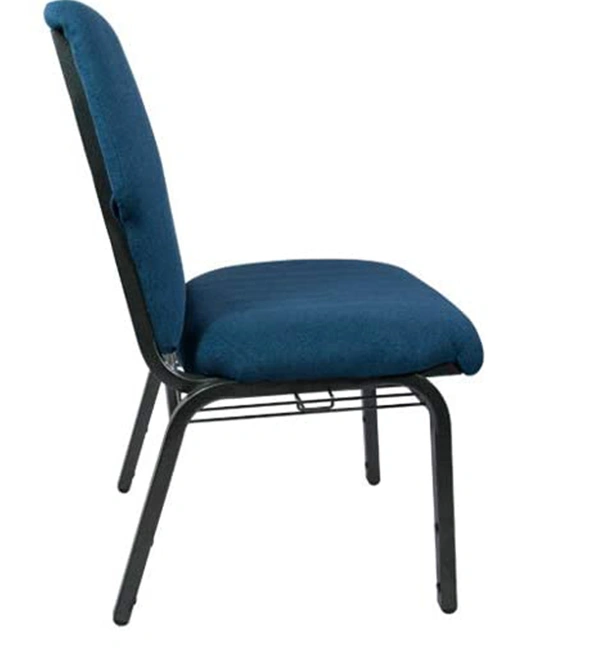
SKU ZCC-0004C
Request Latest Factory Price
MOQ Reference: 200 pcs
Customization: OEM/ODM Available
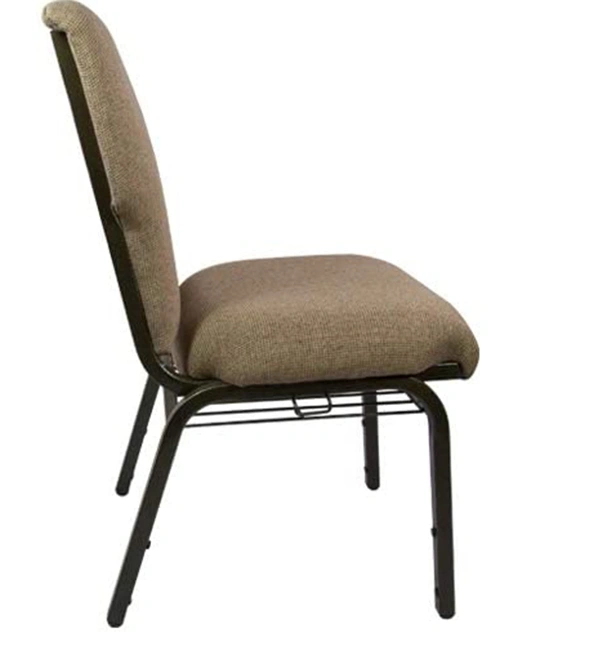
SKU ZCC-0004B
Request Latest Factory Price
MOQ Reference: 200 pcs
Customization: OEM/ODM Available
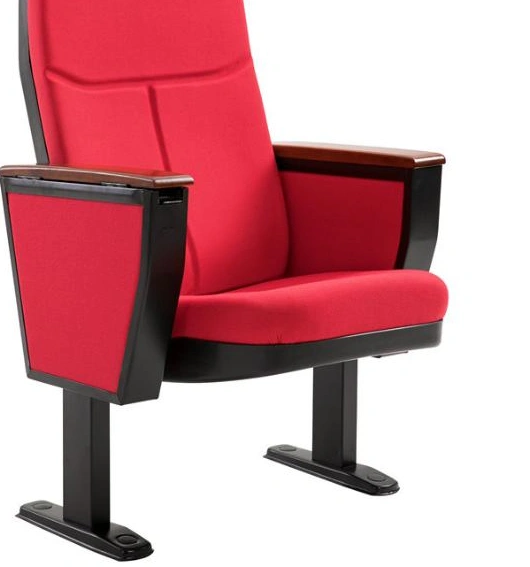
SKU ZCC-0050
Request Latest Factory Price
MOQ Reference: 200 pcs
Customization: OEM/ODM Available
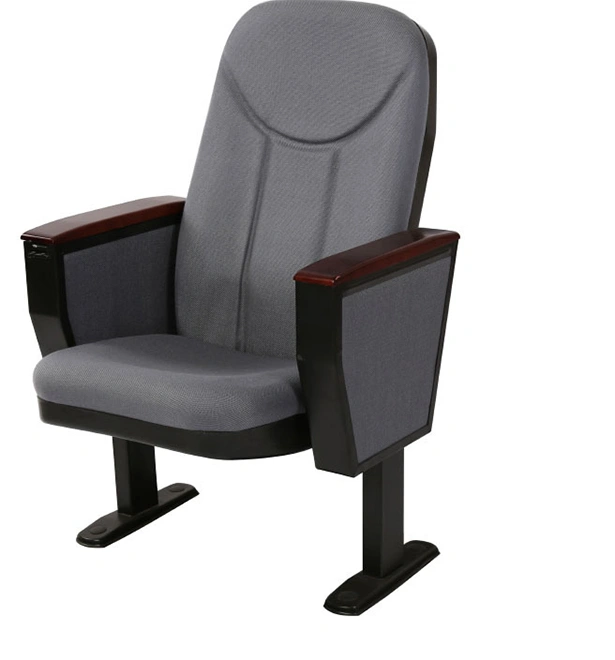
SKU ZCC-0016
Request Latest Factory Price
MOQ Reference: 200 pcs
Customization: OEM/ODM Available
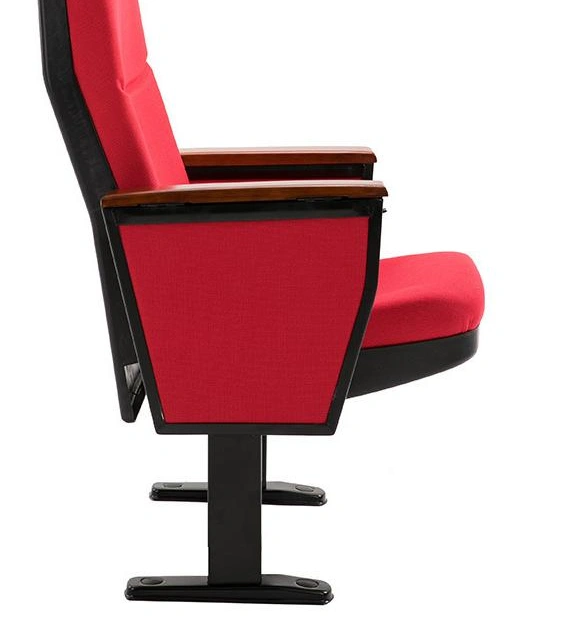
SKU DJT-0002
Request Latest Factory Price
MOQ Reference: 200 pcs
Customization: OEM/ODM Available
THEATER AUDITORIUM CHURCH CHAIR
Professional seating solutions designed for comfort and durability in theaters, auditoriums, churches, and conference halls. Our chairs feature ergonomic designs, premium upholstery, and space-efficient configurations.
Padded seats and backrests provide superior comfort for extended sitting periods. Contoured designs support proper posture during lectures, performances, and worship services.
Stackable and row-interlocking options maximize venue capacity. Durable construction withstands intensive use while maintaining elegant appearance for years.
Featured Series
Selected product families grouped for B2B buyers who want a faster path from category review to factory quotation.

Factory-ready desk and chair combinations for classrooms, training rooms and mixed-age learning programs.

Training-room and lecture-space seating with integrated writing surfaces for compact layouts and exam use.

Student storage programs for classrooms, corridors and shared learning spaces with export-ready packing support.

Dormitory bed systems, storage and study combinations for campus accommodation and boarding projects.

Specialist-room workstation programs for school labs, STEM rooms and supervised practical-learning environments.

Reading tables, shelving and support storage for library programs, media centers and study spaces.