Factory-direct school furniture manufacturing, OEM/ODM, project quotation and export support for global education buyers

Dining & Social Spaces
Cafeteria & Commons
Design efficient, welcoming cafeteria and commons areas with furniture built for high-traffic use. Our solutions prioritize durability, easy maintenance, and space efficiency.
About Cafeteria & Commons
School cafeterias serve hundreds of students daily, requiring furniture that can withstand constant use while remaining easy to clean and maintain. Our cafeteria furniture is built for durability, featuring heavy-duty frames, scratch-resistant surfaces, and commercial-grade construction.
Efficient space utilization is critical in cafeteria design. Our folding and mobile table systems allow quick room conversion for assemblies, events, and after-school activities. Tables fold flat for compact storage, while mobile bases with casters enable easy repositioning. This flexibility maximizes the utility of your cafeteria space.
Bench seating maximizes capacity during lunch periods while maintaining durability. Our cafeteria benches feature reinforced frames that support multiple students, with smooth surfaces that wipe clean quickly between lunch periods. Individual chair options provide flexibility for other uses and easier cleaning.
Easy maintenance keeps cafeteria operations running smoothly. Our furniture features non-porous surfaces that resist stains and spills, with smooth profiles that don't trap food debris. Commercial-grade finishes withstand daily cleaning with standard institutional cleaning products.
Beyond the cafeteria, schools need comfortable gathering spaces where students can socialize, study, and collaborate. Our commons furniture includes lounge seating, café-height tables, and modular configurations that create welcoming social environments. These pieces maintain institutional durability while providing the comfort students expect in informal gathering spaces.
Room planning notes
How to plan cafeteria & commons before requesting quotation
Confirm the room layout, furniture families, quantity range and delivery notes before requesting a project quotation from DADA.
Planning focus
Dining furniture should be planned around peak traffic, cleaning cycles, circulation and seat turnover.
Bench seating, fixed tables, loose chairs and foldable formats each fit different cafeteria management models.
Cafeterias often serve as commons or multi-use halls, so durability and flexible use should be confirmed before quotation.
Furniture package usually includes
Specification points to confirm
- 鉁? Target dining capacity
- 鉁? Fixed table, bench or loose-chair format
- 鉁? Cleaning and turnover cycle
- 鉁? Multi-use hall or dining-only requirement
Questions buyers should answer
How many students dine during peak lunch period?
Should furniture be fixed, foldable or movable?
Will the space also be used for assemblies or study?
Key Features
What makes our cafeteria & commons solutions stand out
High-Traffic Durability
Heavy-duty construction designed to withstand constant use by hundreds of students daily.
Easy Maintenance
Smooth, non-porous surfaces that wipe clean quickly, supporting efficient cafeteria operations.
Space-Efficient Storage
Folding and nesting designs that allow quick room conversion for assemblies and events.
Project planning snapshot
Bring room requirements, shortlisted products, and supplier support notes into one brief so your procurement team can review the space with fewer approval delays.
Carefully selected furniture for your cafeteria & commons
Grouped for this environment so procurement teams can compare the right categories faster.
Standard production takes 30-45 days after order confirmation. Rush orders may be accommodated based on current production capacity.
Exporting to 50+ countries worldwide with reliable shipping and comprehensive after-sales support.
Scope usually includes
DADA coordinates production planning, material selection, quality inspection and export-ready packing through an experienced team of over 150 skilled professionals.
Procurement notes
- Calculate seats by peak lunch period, not total school enrollment.
- Confirm cleaning method and table movement needs.
- Plan carton and container loading for bulky tables.
Quick Quote
Documents to prepare before quotation
Share these links with your project manager, facilities team, and purchasing stakeholders before issuing an RFQ.
Needs Assessment
Tell us about your project and receive personalized furniture recommendations tailored to your specific needs, budget, and timeline.
Catalogs
We have provided a PDF version of each catalog for your convenience. Download our comprehensive product catalogs with detailed specifications and pricing.
Warranty
DADA stands behind the quality of our products. Learn about our comprehensive warranty coverage and how we protect your investment.
Buying Guide
Tips and advice for purchasing school furniture
Shipping and Installation
Prepare room details, quantities, materials and delivery notes for a clearer RFQ.
Material and Durability Guide
Prepare room details, quantities, materials and delivery notes for a clearer RFQ.
Common buyer questions
Our standard MOQ is 100 pieces per product. However, we offer flexible ordering options for different project sizes. Contact us to discuss your specific needs.
Yes, we provide samples for quality evaluation. Sample costs may apply but can be credited towards your bulk order.
Yes, we export to over 50 countries worldwide. We handle all export documentation and can arrange shipping to your preferred port.
Recommended Products
Products for This Space
Carefully selected furniture for your cafeteria & commons
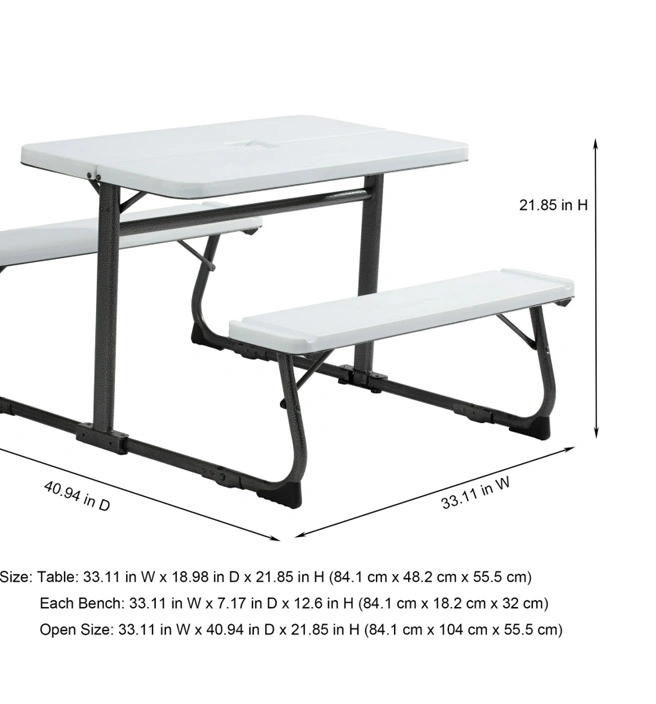
School Canteen Folding Bench Table Rectangle Folding Table and Bench Set
SKU: FT0032
Request Latest Factory Price
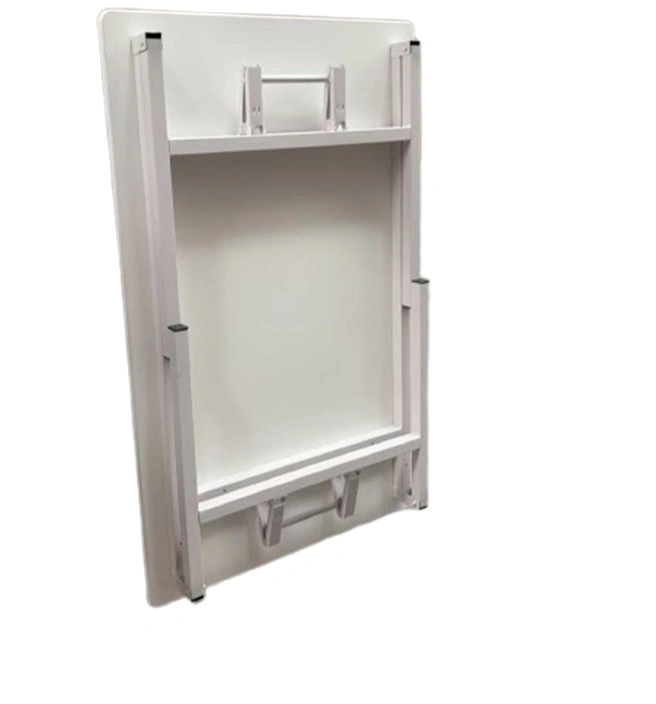
Folding Banquet Table Plywood Rectangle Folding Dinner Table
SKU: FT0027
Request Latest Factory Price
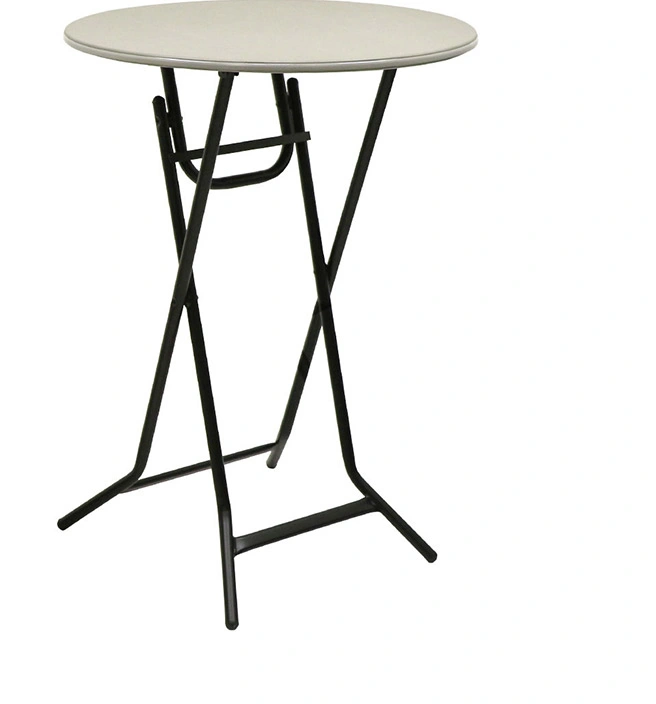
Folding Tables Canteen High Feet Bistro Folding Table
SKU: CT0022
Request Latest Factory Price
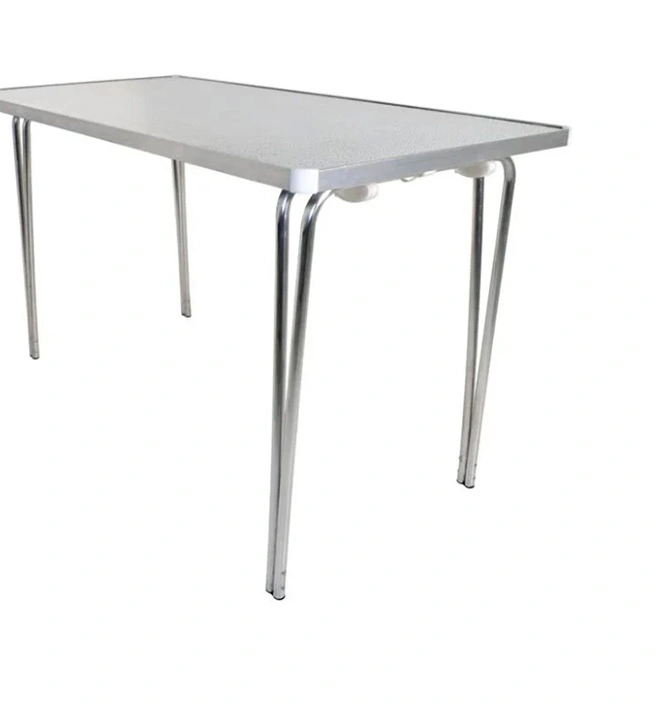
Outdoor Folding Dining Room Canteen Rectangle Shape Double Canteen Table
SKU: FT0025
Request Latest Factory Price
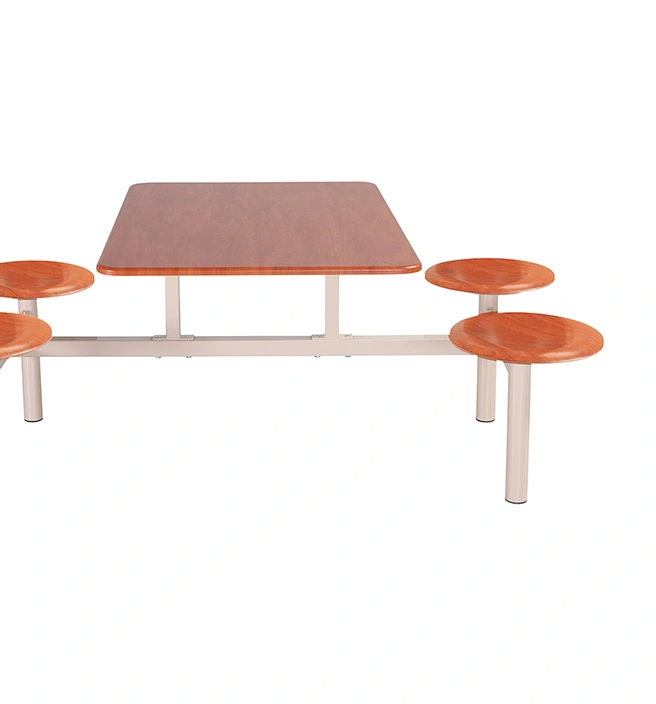
Cafeteria Furniture School Modern Steel Metal Restaurant Table
SKU: CT0021
Request Latest Factory Price
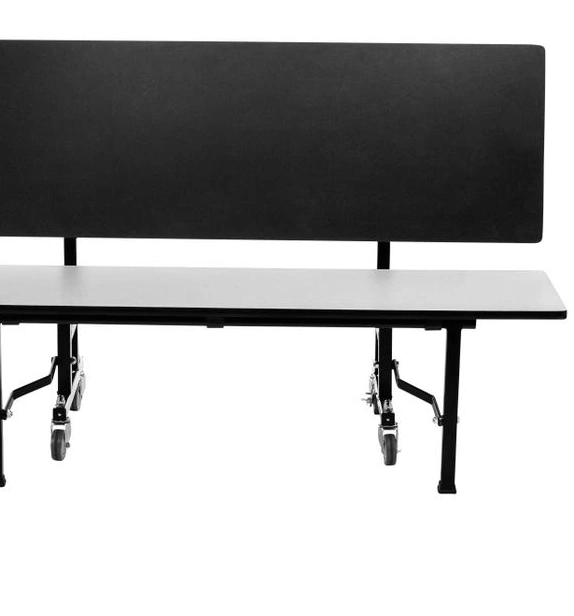
Excellent Quality Canteen Furniture School Canteen Movable Bench Table with Wheels
SKU: FT0024
Request Latest Factory Price
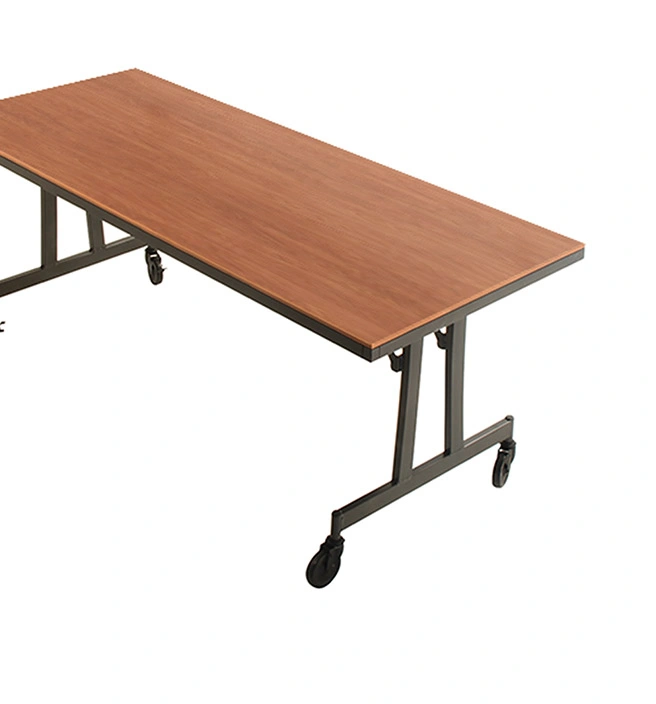
Modern Sleek Stylish Folding Buffet Table
SKU: CT0020
Request Latest Factory Price
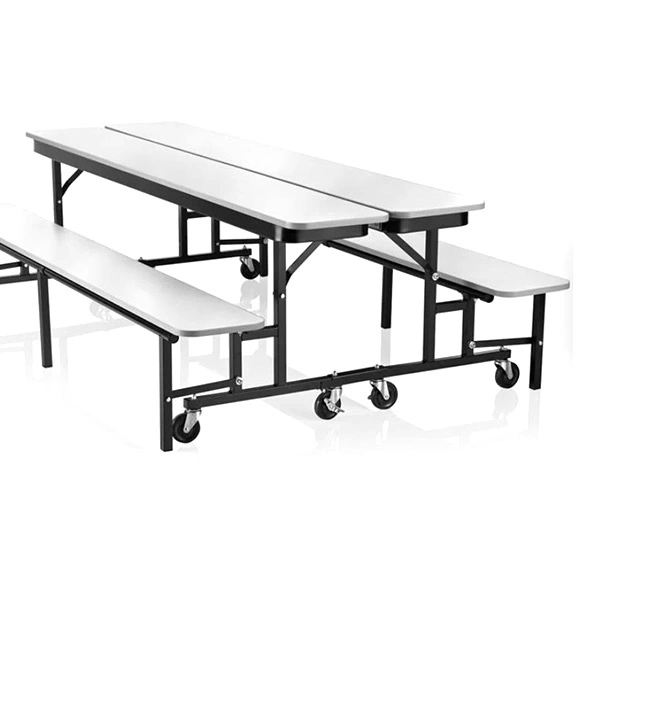
3-in-1 Iron School Canteen Auditorium Space Bench Table Set
SKU: FT0033
Request Latest Factory Price
Ready to Transform Your Cafeteria & Commons?
Contact our team for personalized recommendations, bulk pricing, and expert consultation on your furniture needs.
Explore Other Environments
Discover furniture solutions for different educational spaces
Time-Tested Learning Environments
Traditional Classroom
Classic classroom setups designed for focused, teacher-led instruction with proven layouts that maximize learning efficiency.
Explore Solutions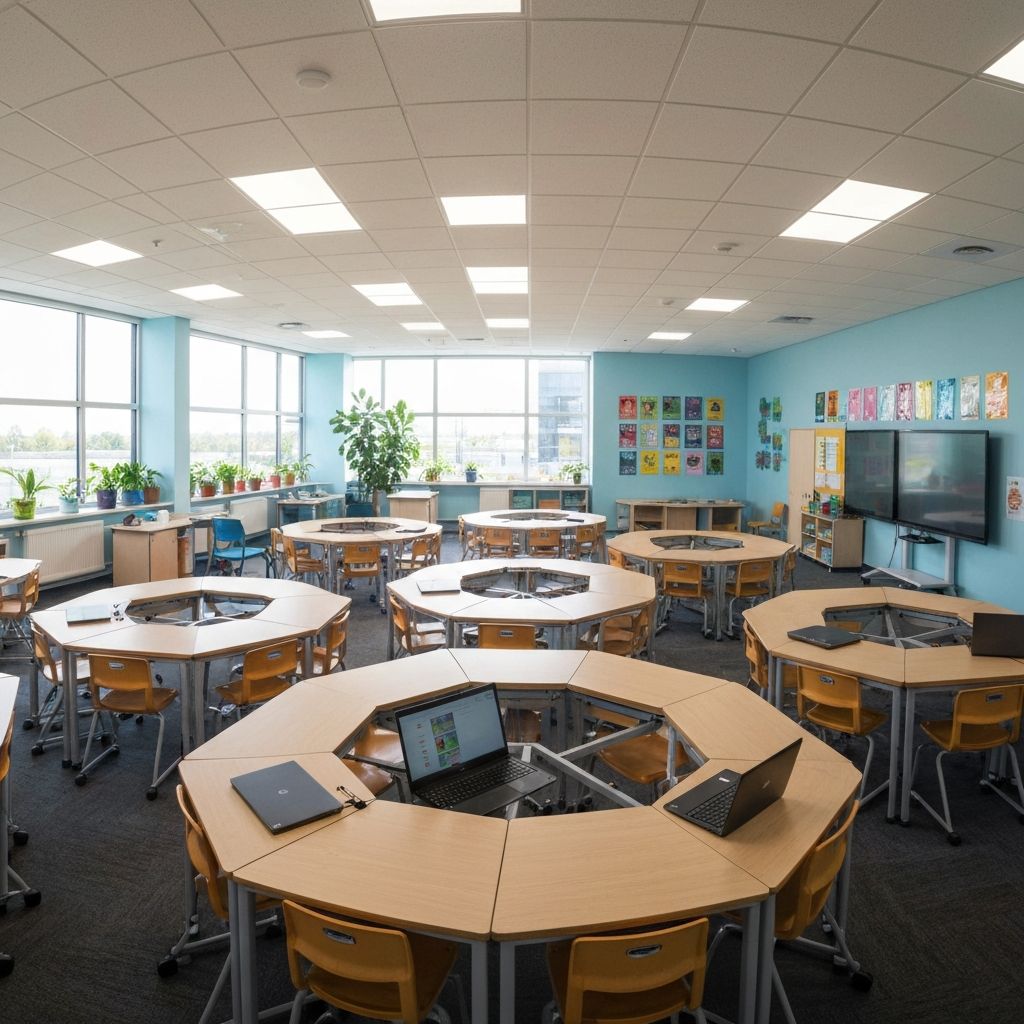
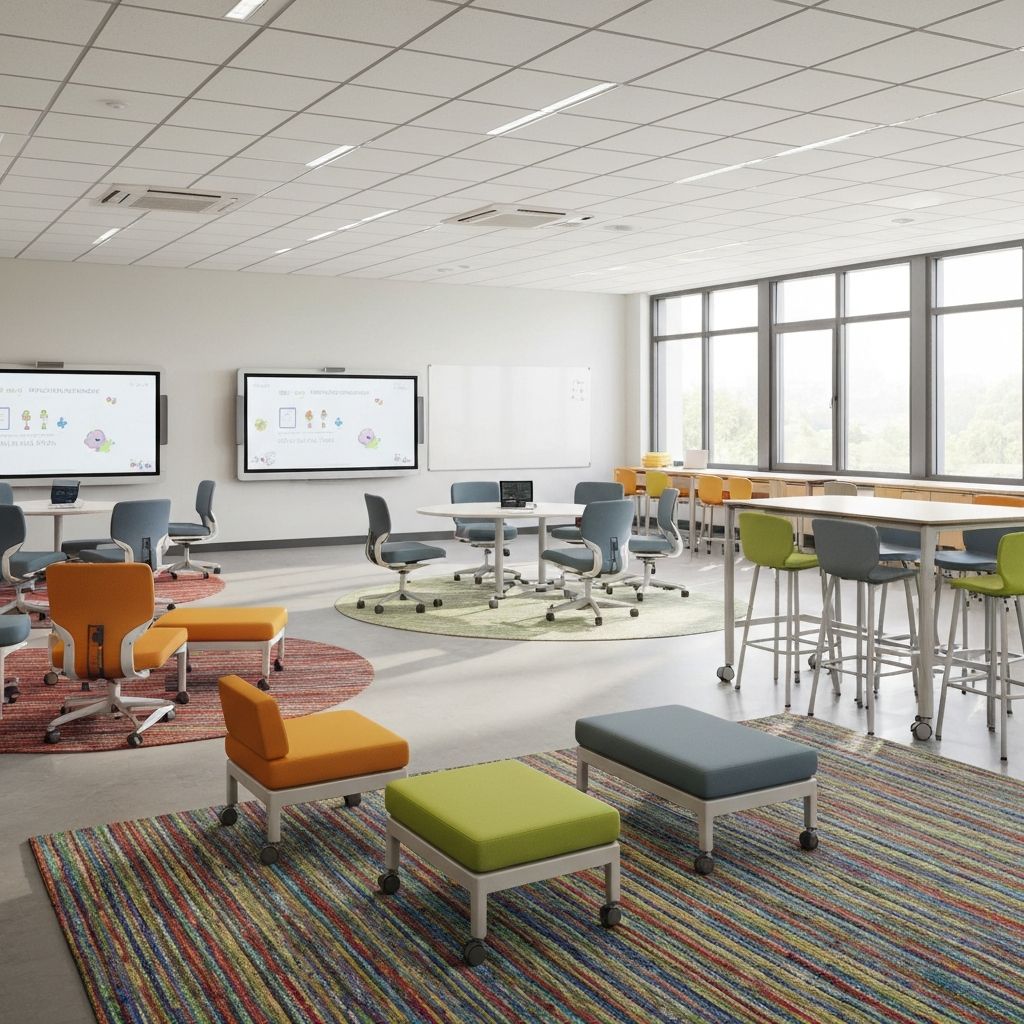
21st Century Active Learning
Collaborative Learning Space
Modern flexible spaces that encourage teamwork, creativity, and student-centered learning approaches.
Explore SolutionsLarge Venue Seating Solutions
Lecture Hall & Auditorium
Professional seating for lecture halls, auditoriums, and training centers with integrated writing surfaces.
Explore Solutions