Factory-Direct School Furniture Manufacturer for Distributors and Project Buyers

Buyer Guide

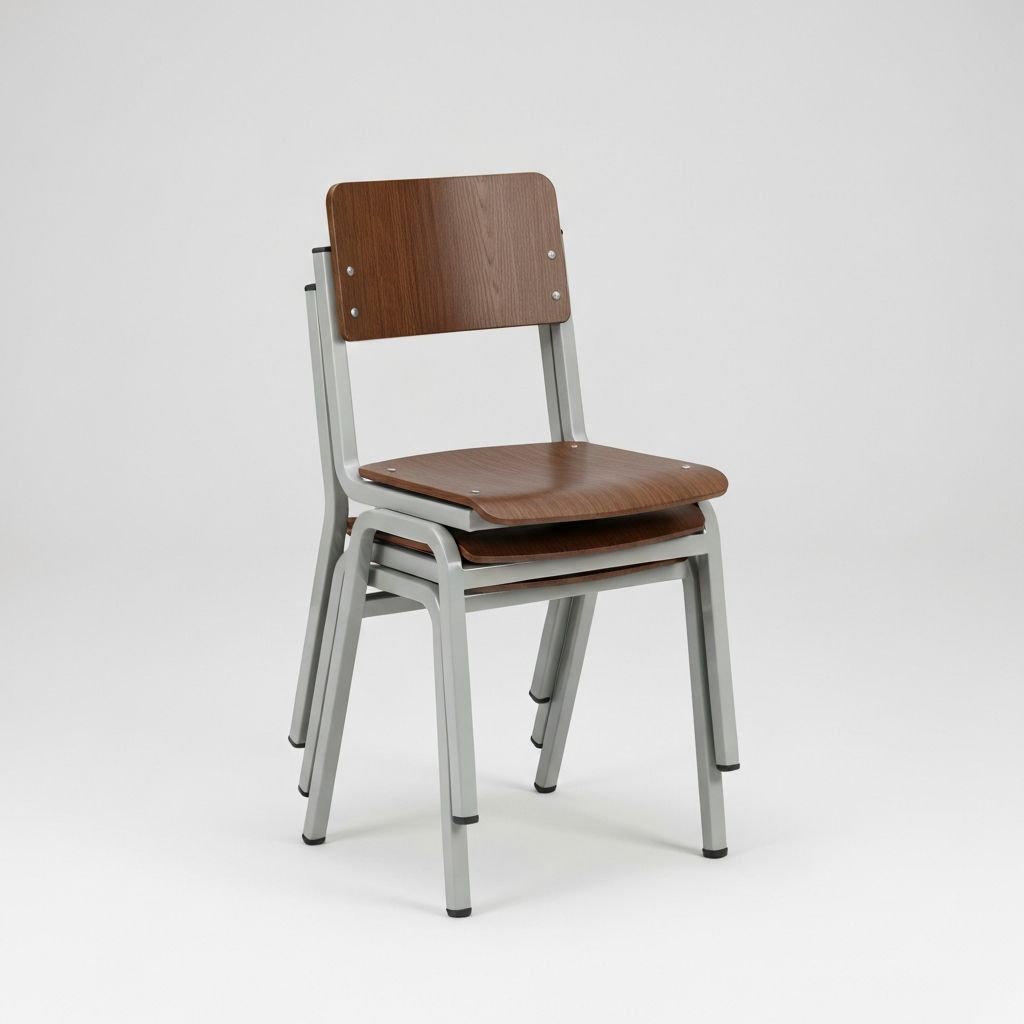
School Chairs for Classroom Standards, Training Rooms, and Shared Seating Programs

School chair buying is usually a routing decision before it becomes a model decision. Buyers need to separate standard classroom seating, stackable overflow chairs, writing-pad seating, and higher-density lecture formats by room type, desk fit, and movement behavior before the shortlist becomes meaningful.

What this product family actually covers

Start with room behavior, not shell shape

The real question is whether the project needs fixed classroom seating, mobile overflow seating, writing-surface chairs, or lecture-style chairs with different density and storage logic.

Desk pairing and stackability change the right chair family

Seat height, posture, writing comfort, aisle clearance, and storage footprint need to be reviewed together because they affect daily classroom control and replacement planning.

Large seating programs need repeatability and replacement discipline

When chairs are spread across many rooms, buyers need a seating standard that remains easy to reorder, clean, and maintain instead of drifting into many near-duplicate models.

When buyers usually pull this family into a live project

Classroom refresh and district seating rollouts that need repeatable age-band standards

Training rooms or exam settings where writing-pad seating and quick layout control matter

Shared learning spaces that need stackable or movable seating without losing durability

Projects that need to separate ordinary classroom chairs from lecture or auditorium seating early

Which checks usually matter before supplier comparison

What teams usually confirm before this family becomes an RFQ line

Room Type
Classroom, training room, shared space, or lecture support
Seat Behavior
Fixed daily use, stackable overflow, tablet-arm, or higher-density seating
Pairing Logic
Desk fit, writing comfort, and circulation impact
Rollout Risk
Replacement consistency, storage footprint, and cleaning burden

Shortlist Controls

What usually needs to be locked before approval

Check age band, seat height, and whether the room prioritizes density, mobility, or all-day comfort.

Review whether buyers need standard student chairs, stackable seating, or writing-surface chair formats.

Confirm whether seating is being bought alone or as part of a desk, classroom, or lecture-hall package.

School Chairs for Classrooms & Training Rooms

Use this hub to compare standard student chairs, stackable classroom chairs, writing-pad seating, and lecture-room options by age band, desk fit, storage logic, and daily wear.

Showing 1-234 of 234 Products

SCHOOL CHAIRS

Built for Desk Pairing, Room-Type Routing, and Repeatable Seating Standards

This hub is for buyers who need school chairs to fit real learning spaces: classroom seating, shared rooms, writing-pad use, and district rollouts where desk fit, stackability, and replacement consistency all matter.

Seat families should be separated by room type before model comparison

The strongest seating shortlists separate standard classroom chairs, overflow seating, writing-pad chairs, and lecture-support formats before the supplier comparison begins.

Ergonomic fit and movement logic matter as much as frame durability

Seat height, posture, desk clearance, stackability, and cleaning burden should be reviewed together because they decide whether the chair works in daily school use.

School chairs for classrooms and shared learning spaces

Buyer Decision Map

What procurement teams usually need to settle before the shortlist becomes real

This page should help the buyer answer room-fit, approval, and execution questions before the category collapses into a shallow SKU comparison.

Best Fit

Everyday classrooms, training rooms, and repeat-purchase teaching spaces.

Buying Task

Compare core desks, chairs, and teaching-space products before sample review, RFQ, or bulk ordering.

Compare By

ergonomics, layout fit, daily durability, and quantity logic with extra attention to seat families should be separated by room type before model comparison and ergonomic fit and movement logic matter as much as frame durability.

Next Move

Open the product library or needs assessment once the page needs to support room bundles, container planning, or larger rollout scope.

Buyer Questions

What buyers usually ask first on this category page

These are the questions that normally shape the shortlist, the RFQ language, and the next routing decision.

What is the room really trying to solve?

Most buyers start by checking whether the category fits a real room problem or just looks close on paper.

Which room type is this category meant to support?

Is the product family being bought alone or as part of a room package?

What does the school need this category to do every day?

Which technical checks matter before shortlist approval?

Durability, fit, maintenance, and delivery assumptions usually need to be reviewed before the RFQ stage.

Which surfaces, hardware, or structures need the most scrutiny?

Will the category hold up under the real use pattern of the space?

What needs to be confirmed before the shortlist goes to supplier comparison?

What is the right next move after this page?

A good category page should route buyers into a room plan, an RFQ tool, or a broader sourcing path once the category gets more complex.

Should the buyer stay at category level or move into room planning?

Is the scope broad enough to need a needs assessment?

Which resource or next page best matches the current buying stage?

Project Fit

When buyers usually start from this category instead of a room page

Standard classroom and teaching-space procurement where buyers need a reliable category shortlist.

Bulk or repeat-purchase reviews before RFQ, sample approval, or distributor quoting.

Room-level comparison tasks that may later expand into needs assessment or broader packages.

Approval Checks

Which technical or commercial checks usually block approval first

Room Fit

Daily-use compatibility with the teaching environment

Durability

Wear tolerance and maintenance burden

Quantity Logic

Single-room buy vs larger procurement scope

Next Step

RFQ, sample review, or broader room planning

Shortlist Controls

What teams usually lock before the RFQ or sample request goes out

Check age-band fit, classroom density, and whether mobility or fixed layouts matter more.

Review durability, maintenance, and replacement logic before finalizing the shortlist.

Decide whether the buy is a single category order or part of a broader classroom package.

Next Routing Layer

When the buyer should leave this page and switch tasks

Stay here for product-family comparison. Move out when the task becomes room planning, compliance, contract packaging, delivery coordination, or broader procurement control.

Buyer Questions

Questions buyers usually ask before this category becomes a real inquiry

These answers are written to help procurement teams, contractors, and facilities buyers move from browsing into a clearer shortlist.

What is this page designed to help buyers compare?

Compare core desks, chairs, and teaching-space products before sample review, RFQ, or bulk ordering. The strongest seating shortlists separate standard classroom chairs, overflow seating, writing-pad chairs, and lecture-support formats before the supplier comparison begins.

Which school environments or procurement scenarios fit this category best?

Everyday classrooms, training rooms, and repeat-purchase teaching spaces. This hub is for buyers who need school chairs to fit real learning spaces: classroom seating, shared rooms, writing-pad use, and district rollouts where desk fit, stackability, and replacement consistency all matter.

What should buyers review before moving this category into RFQ or sample approval?

Ergonomics, layout fit, daily durability, and quantity logic, plus quantity logic, destination requirements, and whether the shortlist belongs in a broader room or contract package. Seat height, posture, desk clearance, stackability, and cleaning burden should be reviewed together because they decide whether the chair works in daily school use.

Which page should buyers open next if the scope becomes broader?

Open the product library or needs assessment once the page needs to support room bundles, container planning, or larger rollout scope. The linked room-planning, product, and resource pages below are the next routing layer once this category is no longer a simple product comparison task.