Factory-direct school furniture manufacturing, OEM/ODM, project quotation and export support for global education buyers
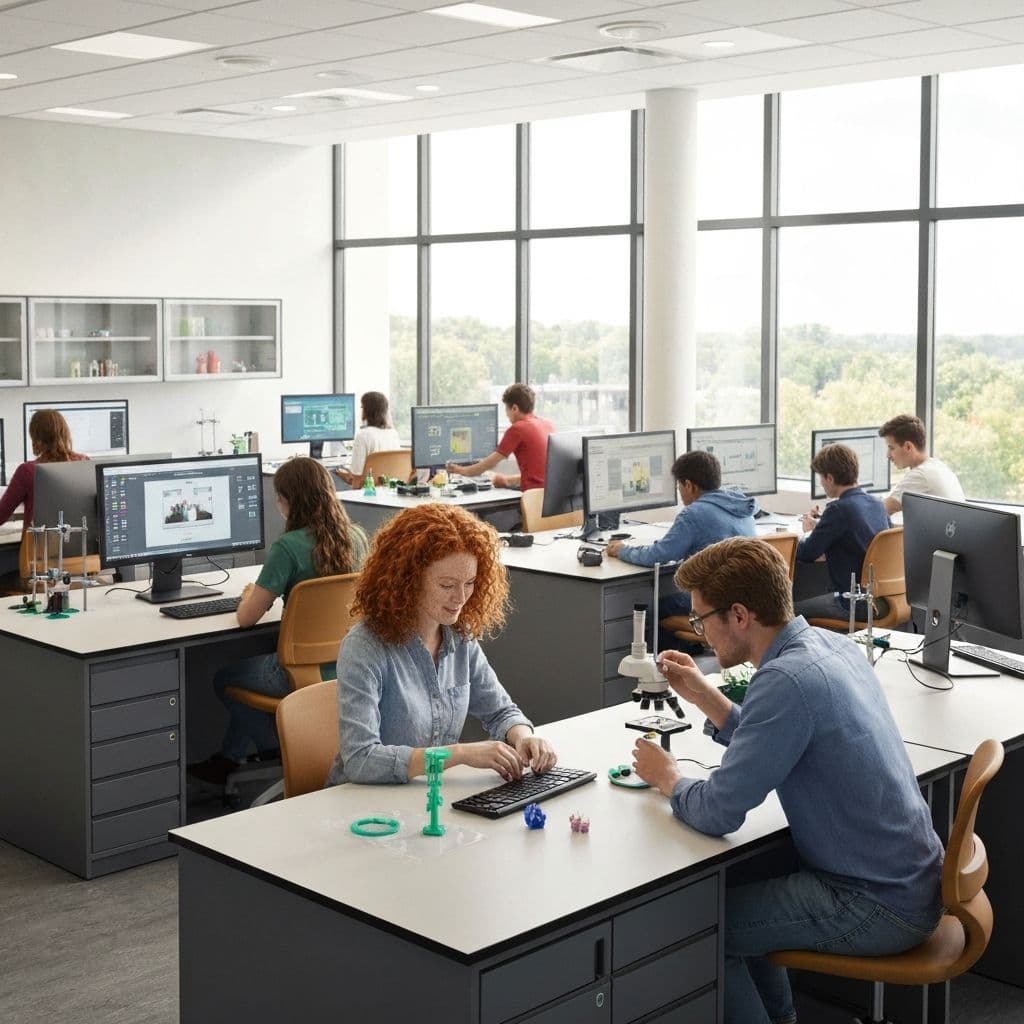
Safe & Functional Lab Environments
Science Laboratory
Equip your science laboratories with furniture designed for safety, durability, and functionality. Our lab furniture features chemical-resistant surfaces, integrated utilities, and ergonomic designs.
About Science Laboratory
Science laboratories require specialized furniture that prioritizes safety while enabling hands-on experimentation. Our lab furniture is engineered to withstand the rigors of daily scientific work, featuring chemical-resistant surfaces, stable construction, and integrated safety features.
Student lab stations are the foundation of any science classroom. Our workstations feature durable epoxy resin or phenolic tops that resist chemicals, heat, and scratches. These surfaces can withstand exposure to acids, bases, and common laboratory solvents without damage, ensuring years of reliable service.
Integrated utilities bring essential services directly to each workstation. Our lab furniture can accommodate gas, water, and electrical connections with proper safety shut-offs and ventilation considerations. Emergency shut-off valves and ground-fault circuit interrupters provide additional layers of protection during experiments.
Safety is paramount in laboratory design. Our furniture features rounded corners to prevent injuries, stable bases that resist tipping, and easy-clean surfaces that support proper laboratory hygiene. Under-counter storage cabinets keep supplies organized while maintaining clear work surfaces for experiments.
The instructor demonstration area serves as the focal point of the science lab. Our demonstration tables feature elevated surfaces for visibility, full utility integration, and ample storage for teaching materials. Mobile options allow instructors to bring demonstrations closer to students when needed, enhancing engagement and learning outcomes.
Room planning notes
How to plan science laboratory before requesting quotation
Confirm the room layout, furniture families, quantity range and delivery notes before requesting a project quotation from DADA.
Planning focus
Lab planning should follow teaching workflow: demonstration area, student workstations, utility access, storage and cleaning paths.
Worktop material, chemical resistance, frame finish and cabinet hardware need to match the actual science curriculum.
Export packing and installation sequence should be planned more carefully than standard classroom furniture.
Furniture package usually includes
Specification points to confirm
- 鉁? Worktop material and chemical resistance
- 鉁? Water, gas or utility planning assumptions
- 鉁? Student workstation count
- 鉁? Packing and on-site installation sequence
Questions buyers should answer
What science subjects will the room support?
Are sinks, utilities or chemical-resistant tops required?
Who handles installation after delivery?
Key Features
What makes our science laboratory solutions stand out
Chemical-Resistant Surfaces
Epoxy resin and phenolic tops that withstand acids, bases, and solvents commonly used in educational labs.
Integrated Utilities
Built-in gas, water, and electrical connections with safety shut-offs and proper ventilation considerations.
Safety-First Design
Rounded corners, stable bases, and easy-clean surfaces that prioritize student safety during experiments.
Project planning snapshot
Bring room requirements, shortlisted products, and supplier support notes into one brief so your procurement team can review the space with fewer approval delays.
Carefully selected furniture for your science laboratory
Grouped for this environment so procurement teams can compare the right categories faster.
Standard production takes 30-45 days after order confirmation. Rush orders may be accommodated based on current production capacity.
Exporting to 50+ countries worldwide with reliable shipping and comprehensive after-sales support.
Scope usually includes
DADA coordinates production planning, material selection, quality inspection and export-ready packing through an experienced team of over 150 skilled professionals.
Procurement notes
- Clarify worktop material before comparing prices.
- Confirm whether furniture ships knocked-down or assembled.
- Plan inspection around worktop, cabinet and utility details.
Quick Quote
Documents to prepare before quotation
Share these links with your project manager, facilities team, and purchasing stakeholders before issuing an RFQ.
Needs Assessment
Tell us about your project and receive personalized furniture recommendations tailored to your specific needs, budget, and timeline.
Catalogs
We have provided a PDF version of each catalog for your convenience. Download our comprehensive product catalogs with detailed specifications and pricing.
Warranty
DADA stands behind the quality of our products. Learn about our comprehensive warranty coverage and how we protect your investment.
Buying Guide
Tips and advice for purchasing school furniture
Standards and Compliance
Prepare room details, quantities, materials and delivery notes for a clearer RFQ.
Material and Durability Guide
Prepare room details, quantities, materials and delivery notes for a clearer RFQ.
Common buyer questions
Our standard MOQ is 100 pieces per product. However, we offer flexible ordering options for different project sizes. Contact us to discuss your specific needs.
Yes, we provide samples for quality evaluation. Sample costs may apply but can be credited towards your bulk order.
Yes, we export to over 50 countries worldwide. We handle all export documentation and can arrange shipping to your preferred port.
Recommended Products
Products for This Space
Carefully selected furniture for your science laboratory
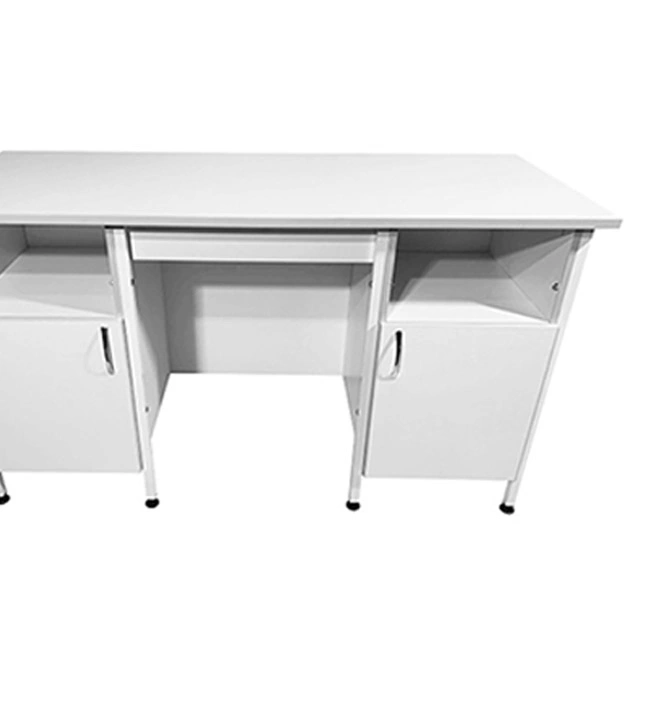
Laboratory Equipment Furniture Side Table Metal Lab Work Bench
SKU: LA2-0015
Request Latest Factory Price
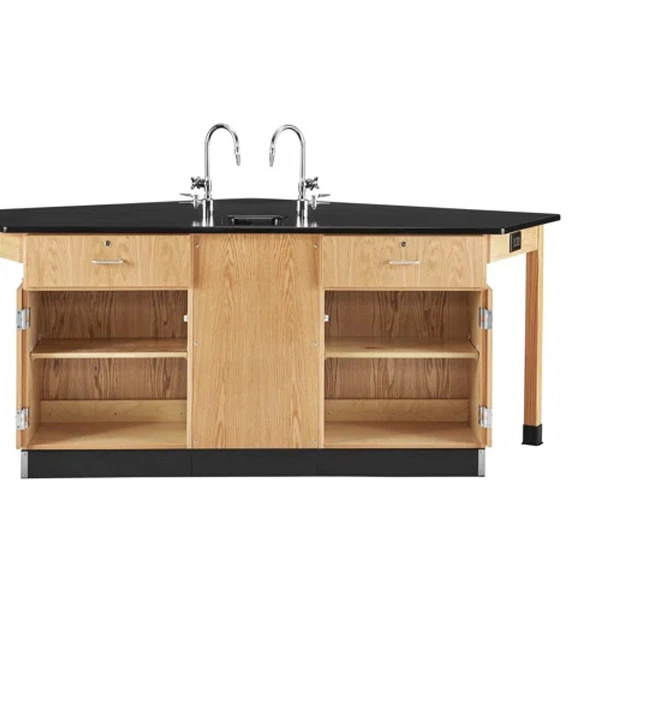
Laboratory Work Bench Chemical Lab Table
SKU: LA2-0016
Request Latest Factory Price
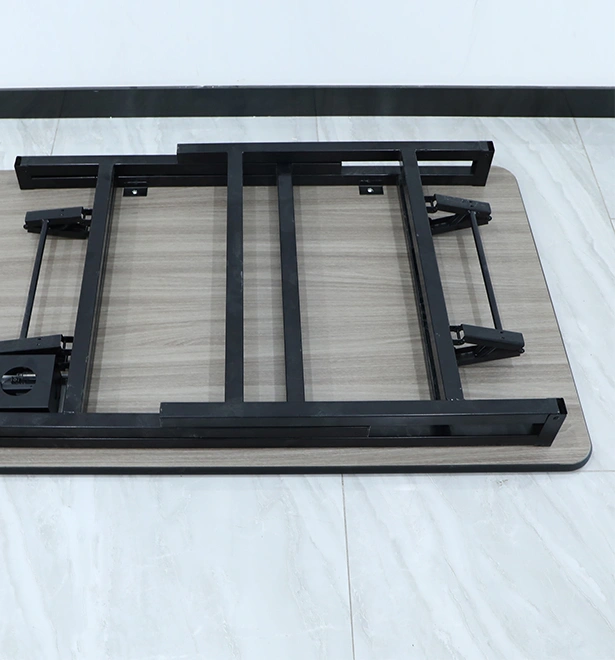
Modern Wood Table Top Folding Laboratory Table with USB Adapter
SKU: LA2-0009
Request Latest Factory Price
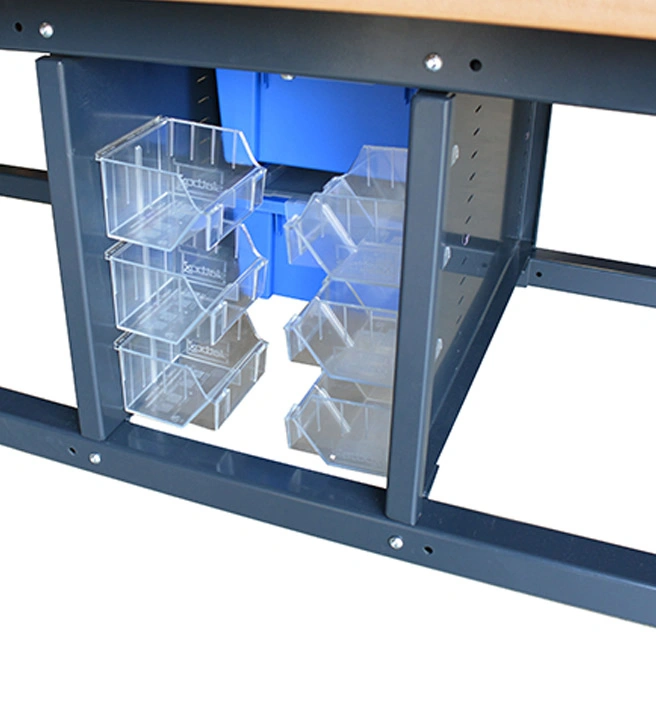
Laboratory Furniture Lab Bench Working Table Medical Laboratory Table
SKU: LA2-0017
Request Latest Factory Price
Ready to Transform Your Science Laboratory?
Contact our team for personalized recommendations, bulk pricing, and expert consultation on your furniture needs.
Explore Other Environments
Discover furniture solutions for different educational spaces
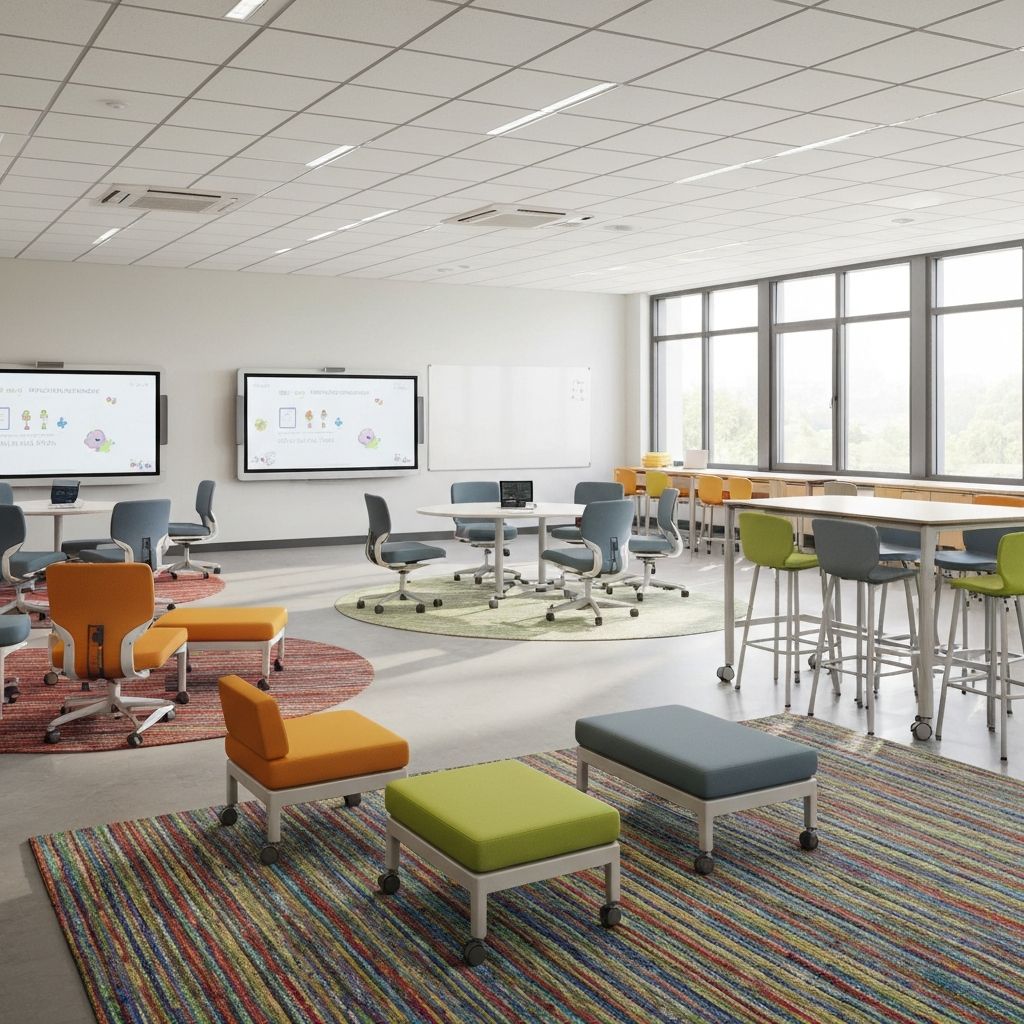
Time-Tested Learning Environments
Traditional Classroom
Classic classroom setups designed for focused, teacher-led instruction with proven layouts that maximize learning efficiency.
Explore Solutions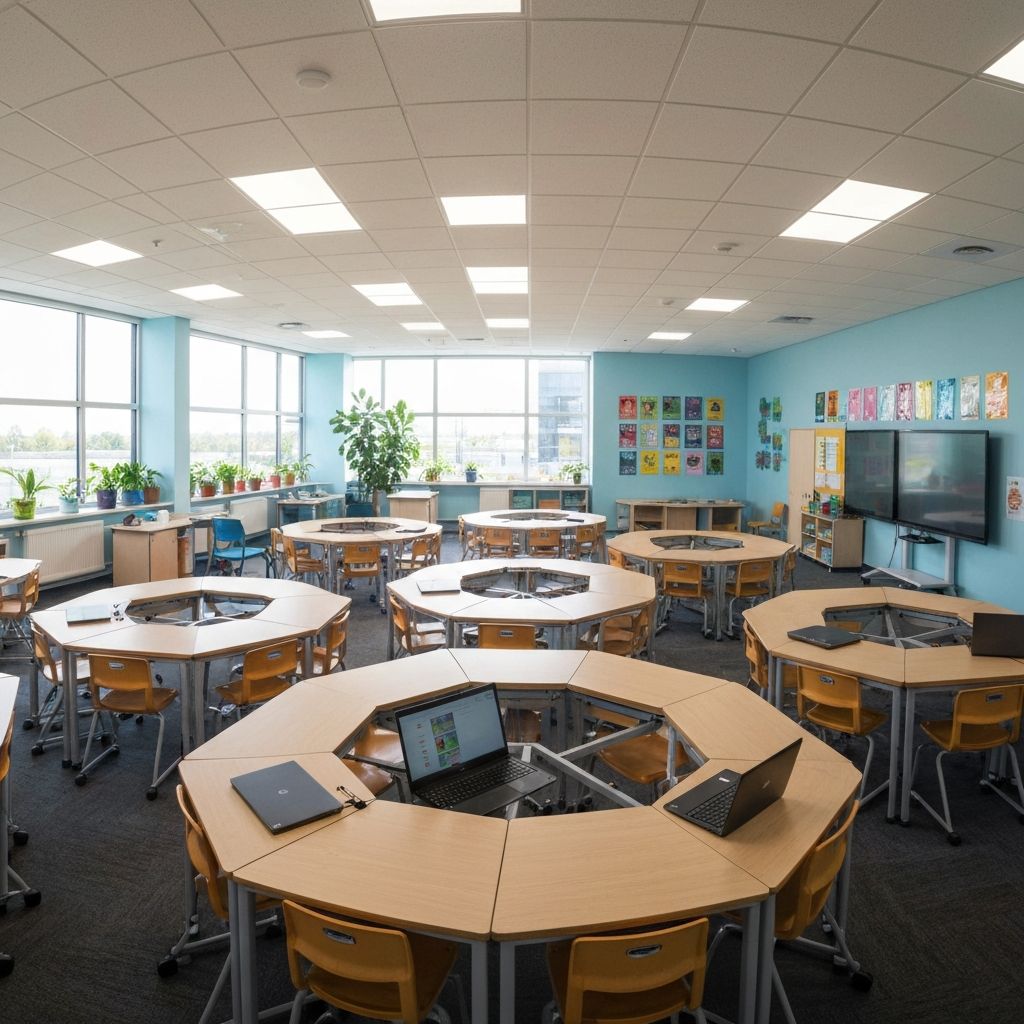
21st Century Active Learning
Collaborative Learning Space
Modern flexible spaces that encourage teamwork, creativity, and student-centered learning approaches.
Explore SolutionsLarge Venue Seating Solutions
Lecture Hall & Auditorium
Professional seating for lecture halls, auditoriums, and training centers with integrated writing surfaces.
Explore Solutions