Opening context
A school desk and chair set for a primary classroom is not only a product pair. It is part of a room standard that affects student posture, aisle width, cleaning, teacher movement, storage, and replacement planning. When a distributor or school project team asks for 800 or 1,200 sets, the first decision should not be color. It should be whether the desk, chair, room density, and age band actually fit together.
Start with the classroom, not the catalog photo
A school desk and chair set for a primary classroom is not only a product pair. It is part of a room standard that affects student posture, aisle width, cleaning, teacher movement, storage, and replacement planning. When a distributor or school project team asks for 800 or 1,200 sets, the first decision should not be color. It should be whether the desk, chair, room density, and age band actually fit together.
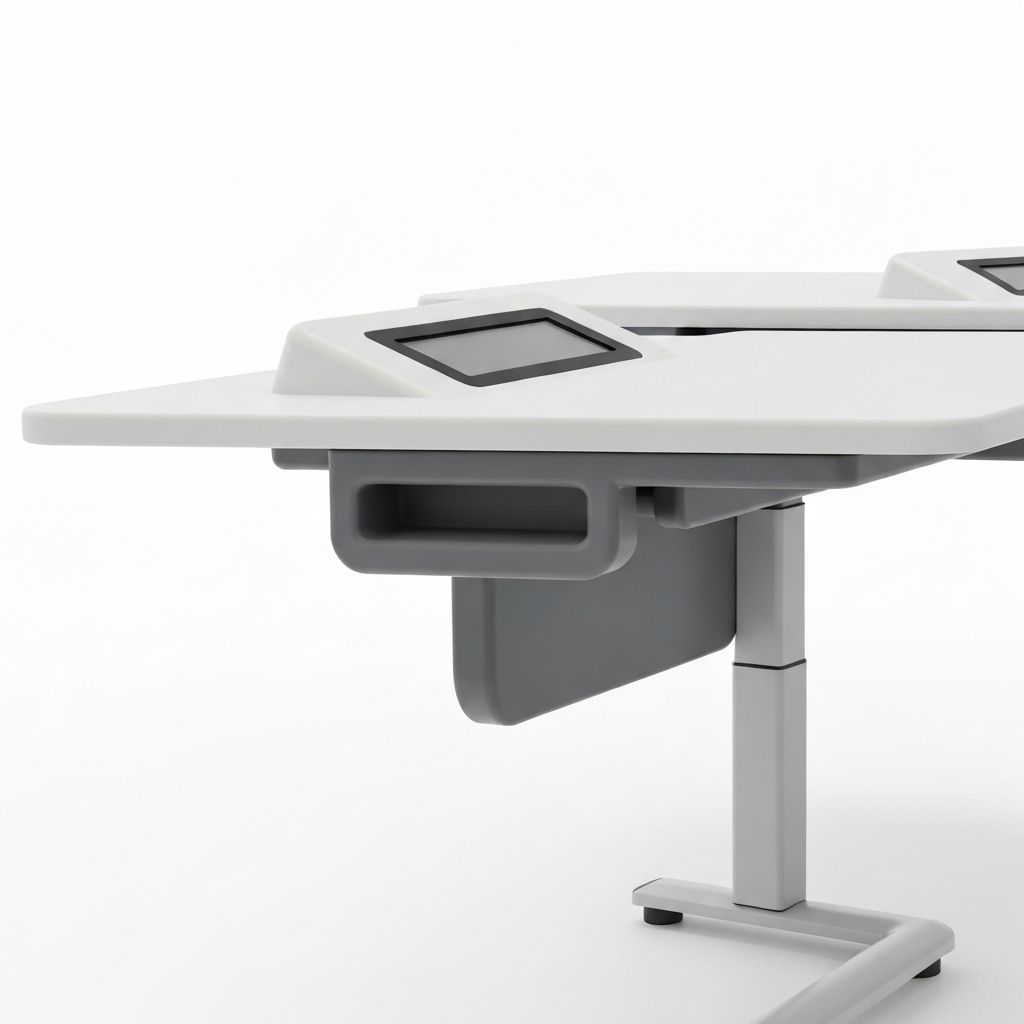
For primary classrooms, buyers often compare models by unit price too early. That creates mistakes later: the chair may be too high for younger students, the desktop may be too shallow for textbooks, or the book basket may conflict with leg movement. Before requesting a quote, prepare the classroom use case and then match the school desk and chair set to that use case.
Define the age band and height range
Primary school projects usually cover more than one age group. Grade 1 students and Grade 6 students should not automatically receive the same desk-chair size. If the project requires one standard model for all rooms, the buyer should understand the compromise and confirm it with the school.
The RFQ should include:
- Student age band or grade range.
- Expected desk height and chair seat height.
- Whether one model or multiple sizes are required.
- Room count and quantity per room.
- Whether the same furniture will be used for exams, group work, and daily lessons.
If the buyer is unsure about size, use the school desk and chair size guide before confirming the model. A size mistake is expensive because it is visible every day in every classroom.
Check the desk and chair as one pair
A desk that looks correct on its own can still be wrong when paired with the selected chair. Seat height, desktop height, leg clearance, and writing posture need to be checked together. For a student desk and chair combo, the approval sample should include both items in the final size and material.
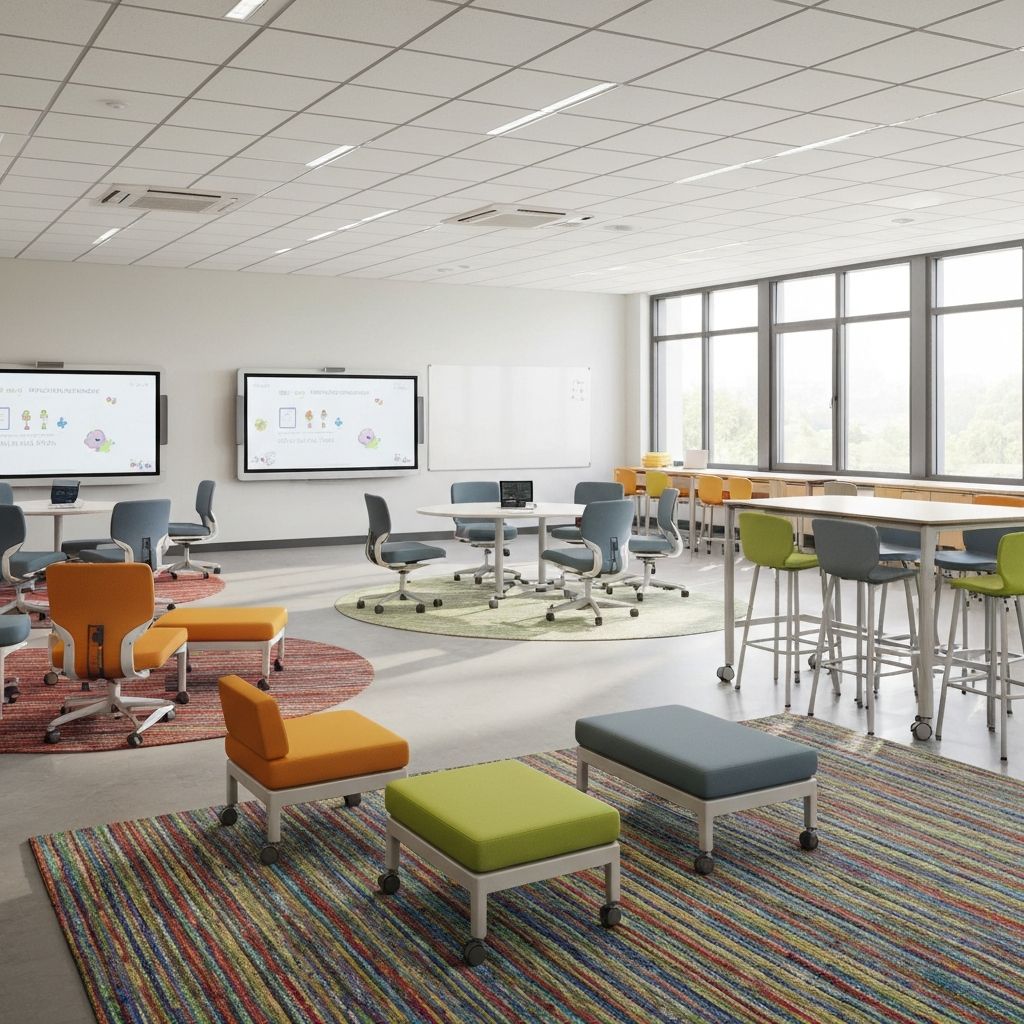
Ask the factory to confirm:
- Chair seat height and desktop height.
- Space between chair and desk when the student is seated.
- Whether the chair can slide under the desk for cleaning.
- Whether the desk frame blocks the chair legs.
- Whether the book basket, modesty panel, or bag hook reduces knee space.
This is one reason bulk buyers should avoid approving a chair sample first and a desk sample later. The school is buying a classroom set, not two unrelated products.
Decide which features are actually needed
Primary classrooms often need practical details more than decorative upgrades. A book basket may help reduce clutter, but it must not interfere with the student's legs. A bag hook is useful, but it should not catch clothing or create a sharp point. Rounded desktop edges matter more than a complicated frame shape.
Common options to confirm include:
- Book basket or under-desk shelf.
- Bag hook position.
- Desktop material and edge treatment.
- PP, plywood, or laminate chair seat.
- Powder-coated steel frame color.
- Anti-slip feet or floor glides.
- Knock-down or assembled packing.
Every option changes cost, lead time, carton size, and sometimes MOQ. For a bulk classroom order, small details become large operational issues when multiplied across hundreds of sets.
Prepare a cleaner RFQ
A useful RFQ gives the factory enough information to recommend a workable model and quote accurately. A weak RFQ says only "send price for school desk and chair." That forces the supplier to guess the size, material, packing method, quantity, and destination.
For a primary classroom desk-chair order, include:
- Total quantity and quantity per room.
- Student age group and preferred size.
- Desktop material, chair material, and frame finish.
- Preferred product photo or reference model.
- Destination port and target delivery window.
- Packing requirement, carton label rules, and spare hardware expectation.
- Sample requirement and inspection requirement.
If the order is part of a larger campus project, connect the desk-chair RFQ with the broader school furniture RFQ checklist. That prevents the desk-chair line from being quoted separately from storage, teacher furniture, lab tables, or library furniture.
Do not ignore packing and carton labels
Packing is part of the product decision. A desk-chair set that ships assembled may save installation time but use more container space. A knock-down design may load better but require clearer assembly instructions and hardware control.
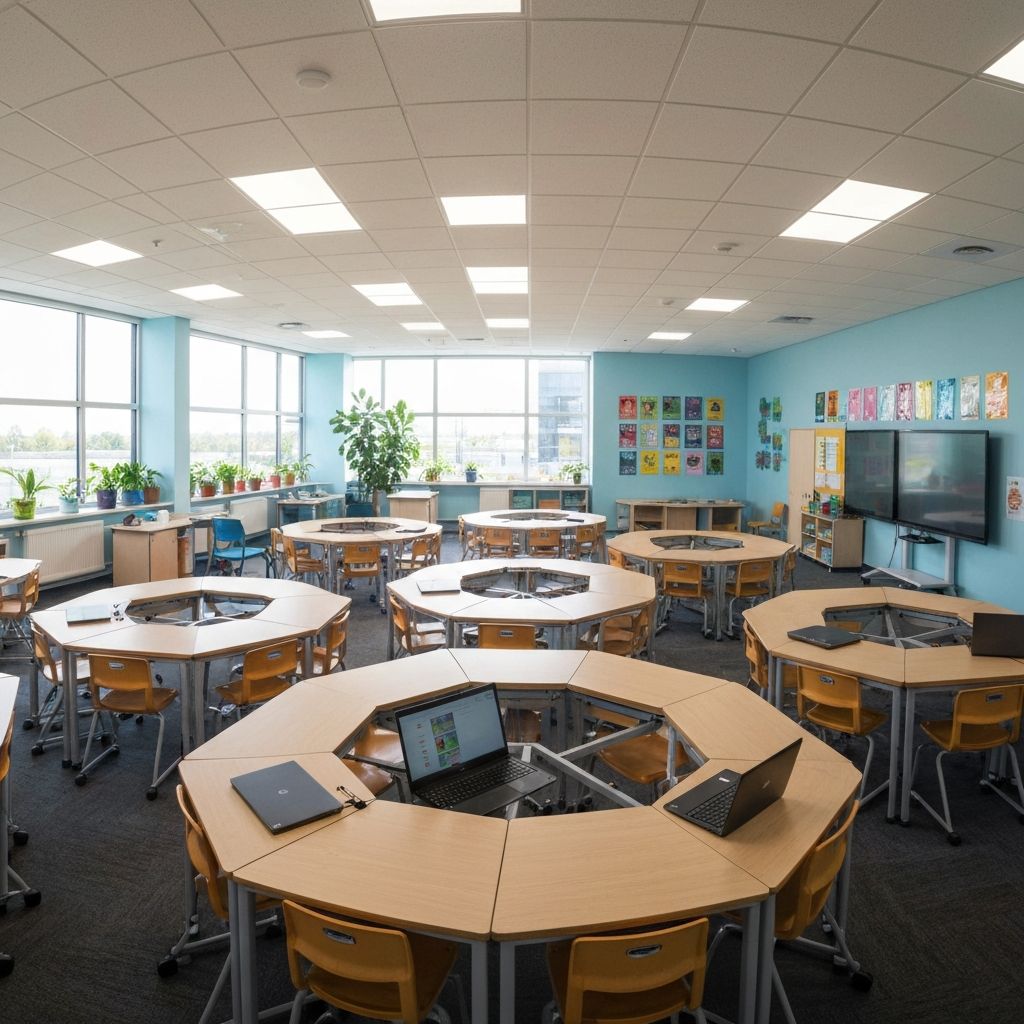
Before production, confirm:
- Carton quantity per set or per component.
- Whether desks and chairs are packed together or separately.
- Hardware bag label and spare screw policy.
- Room label, building label, SKU label, and color label.
- Whether packing photos will be shared before shipment.
For school projects, carton labels by room can save hours during receiving. If 24 classrooms receive the same model but different quantities, the label should help the site team place cartons without opening every box.
Approve the sample as a full classroom standard
Sample approval should not stop at "the desk looks fine." For bulk production, approve the complete standard:
- Final desk size.
- Final chair size.
- Desktop color and thickness.
- Seat and back material.
- Frame coating color.
- Edge finish and corner safety.
- Book basket, hook, glides, and hardware.
- Carton label and packing method.
Keep photos and written approvals in one file. If the buyer places a repeat order later, that file becomes the reference for consistent production.
Final recommendation
Treat the primary classroom desk-chair order as a room standard. Confirm size, pairing, material, packing, and labels before chasing the lowest unit price. A clearer brief helps DADA recommend the right school desk and chair set, prepare a more accurate quote, and reduce avoidable problems before the shipment leaves the factory.
Procurement follow-through
Bring the topic into the project brief
Before requesting school furniture pricing, connect the topic to room scope, product category, quantity, material requirements, sample approval and export delivery assumptions. A clearer brief leads to a more accurate factory quotation and fewer revision cycles.
Procurement questions
What should buyers confirm after reading about classroom & furniture?
Confirm the room requirements, product categories, material choices, quantity estimates and quotation questions before requesting pricing.
What should buyers send to DADA after reading this article?
Send room lists, quantities, layouts or reference images, preferred materials, color requirements, target delivery window, destination port and any sample or inspection requirements.
Does this article show fixed product prices?
No. DADA uses inquiry-based project quotation because final pricing depends on quantity, material, size, customization, packaging and destination port.
Tags