Opening context
Many school furniture RFQs begin with a product list: desks, chairs, tables, cabinets, beds, lockers, or lab benches. That is useful, but it is not enough. A factory cannot quote a complete school project accurately if it does not know which rooms the products serve, how many students use each room, and what delivery constraints affect the order.
Why a room list matters before pricing
Many school furniture RFQs begin with a product list: desks, chairs, tables, cabinets, beds, lockers, or lab benches. That is useful, but it is not enough. A factory cannot quote a complete school project accurately if it does not know which rooms the products serve, how many students use each room, and what delivery constraints affect the order.
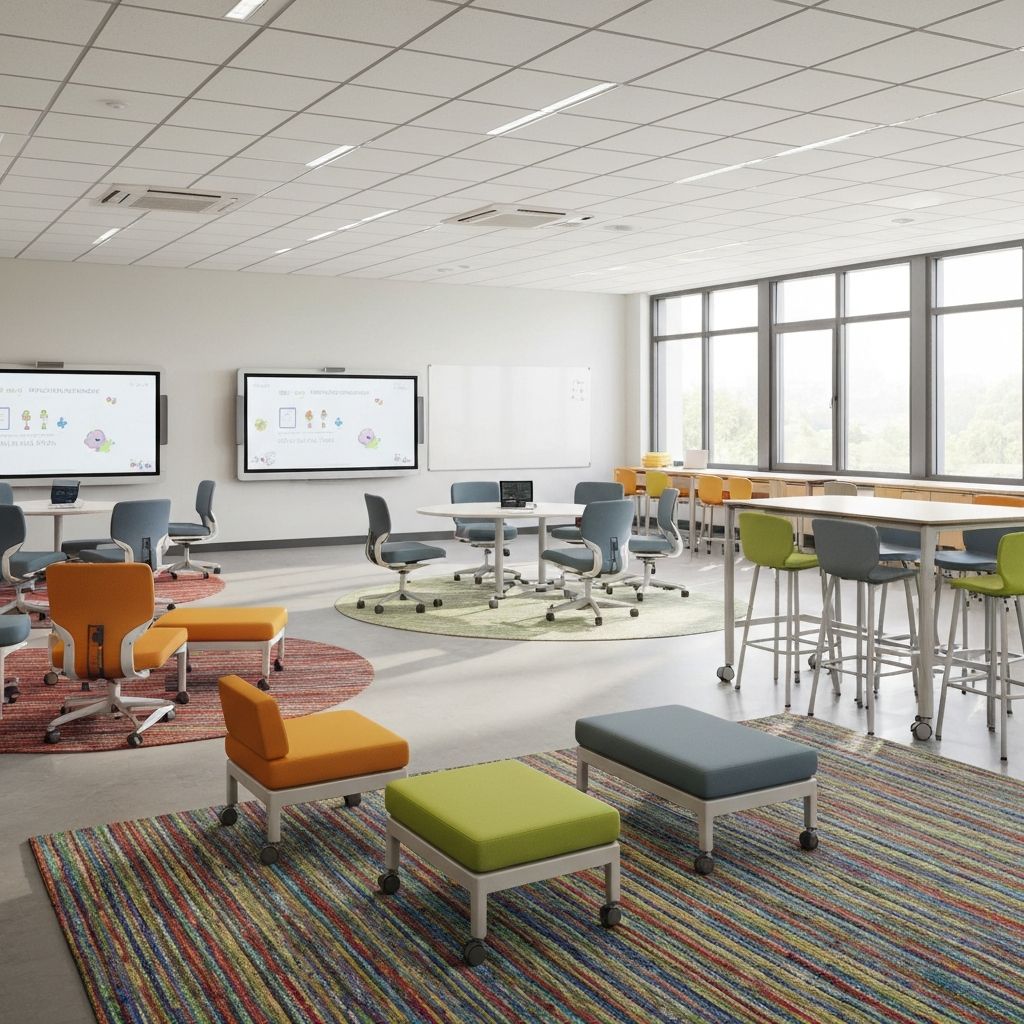
A room list gives the supplier the context behind the product request. It helps DADA understand whether the buyer needs a standard classroom package, a mixed campus package, a renovation replacement order, or a tender-ready quotation. It also helps prevent missing categories, mismatched sizes, and packaging confusion.
Treat the outline below as a practical template before sending a school furniture RFQ checklist to the factory.
Start with the project summary
The first page of the RFQ should answer the basic commercial questions. Without these details, the supplier may quote the right products under the wrong assumptions.
Include:
- Project country and destination port.
- School type: primary, secondary, university, boarding school, training center, or international school.
- New campus, renovation, replacement, or phased rollout.
- Target delivery date or tender deadline.
- Whether samples are required before bulk order.
- Whether the buyer needs OEM colors, logo, carton marks, or private-label packaging.
- Whether the quotation should include only products or also packing, delivery, and documentation support.
This summary helps the factory decide which details need urgent clarification before pricing.
Build the room list
The room list should be simple enough for procurement teams to fill in, but detailed enough for the supplier to quote. A useful format looks like this:
| Room type | Room count | Students per room | Product category | Quantity per room | Notes | | --- | ---: | ---: | --- | ---: | --- | | Primary classroom | 24 | 40 | Student desk and chair set | 40 sets | Grade 1-6, confirm size | | Teacher area | 24 | 1 | Teacher desk and chair | 1 set | Match classroom finish | | Science lab | 2 | 32 | Lab tables and stools | To confirm | Need utility layout | | Library | 1 | 80 | Reading tables, chairs, shelves | To confirm | Include storage | | Cafeteria | 1 | 300 | Dining tables and chairs | To confirm | Easy-clean surfaces | | Admin office | 4 | - | Desks, chairs, cabinets | To confirm | Staff use |
The exact categories can change, but the logic should stay the same. The supplier needs to understand each room, not only each item.
Separate standard rooms from specialist rooms
Standard classrooms are usually easier to quote because the product family is familiar: student desks, student chairs, teacher desk, storage, and sometimes whiteboard or classroom tables. Specialist rooms need more explanation.

For a science lab, include whether tables are fixed or movable, whether stools are required, and whether storage cabinets need locks or special surfaces. For a library, include reading capacity, shelf type, and whether soft seating is part of the scope. For cafeteria spaces, include cleaning requirements, table size, and whether benches or individual chairs are preferred.
This prevents a common RFQ problem: the buyer asks for "lab furniture" or "library furniture" without enough information, then the first quotation has to be rebuilt.
Add age band and size requirements
School furniture size is not a small detail. A quote for primary classrooms can be wrong if the factory assumes secondary school desk height. A quote for mixed-age classrooms can be wrong if the buyer wants one model for all grades without saying so.
For classrooms, add:
- Student age range or grade level.
- Preferred desk height and chair seat height if known.
- Whether adjustable models are acceptable.
- Whether one size or multiple sizes are required.
- Any local standard or tender requirement.
For desk-chair projects, link the RFQ to the school desk and chair set page and the desk-chair size guide so the size decision is visible before sampling.
Define sample and approval needs
If the buyer needs samples, say so before the quotation is final. Samples affect lead time, cost, courier planning, color decisions, and final production approval.
The RFQ should state:
- Which products need samples.
- Whether color swatches or material samples are enough.
- Whether packaging mockups are required.
- Who approves the sample and by what date.
- Whether production can start after photo approval or only after physical sample approval.
For OEM or private-label orders, include logo files, carton mark expectations, and label language early. Otherwise the factory may quote a standard product and miss the private-label work.
Include packing and delivery assumptions
Packing can change the real landed cost. A product with a lower unit price may have a larger carton, weaker protection, or less efficient loading. For project orders, carton labels also affect site receiving.
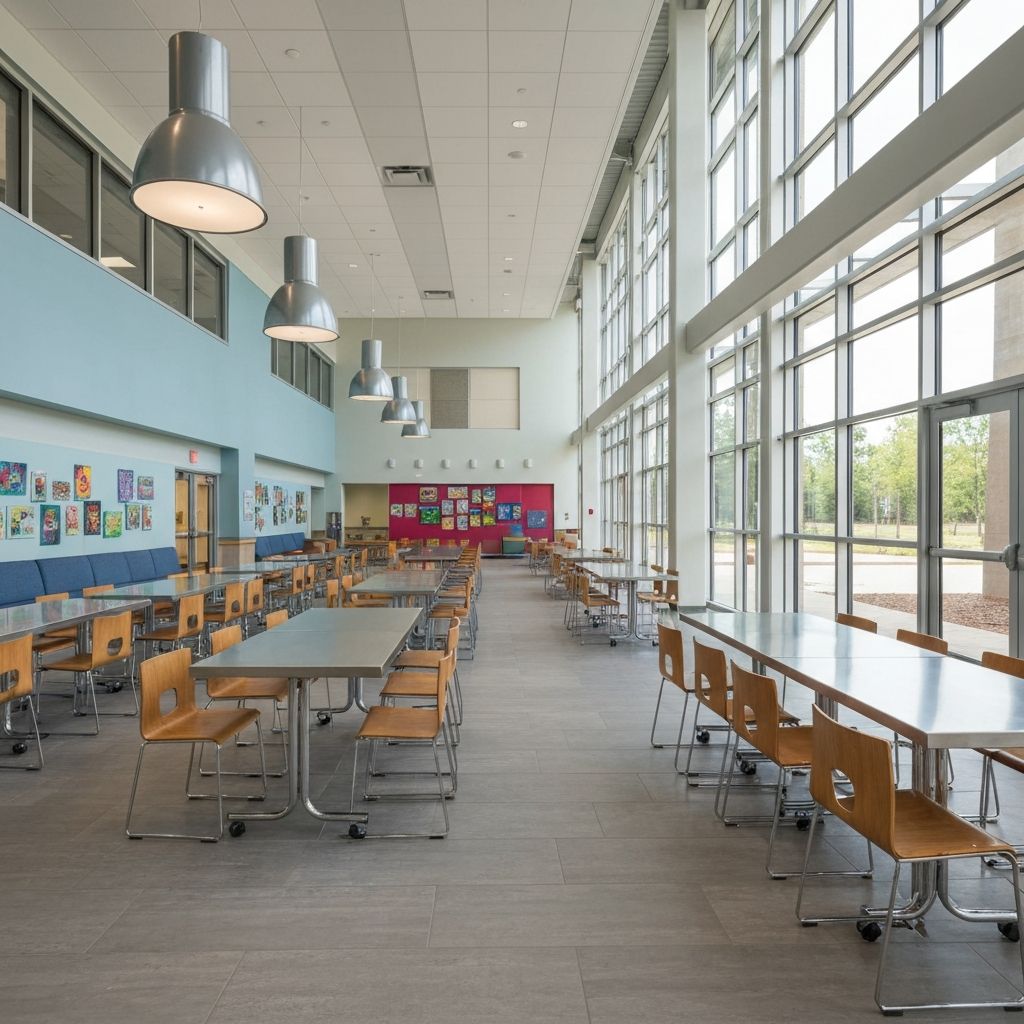
Include these packing fields in the RFQ:
- Knock-down, semi-assembled, or assembled packing.
- Carton label by product, room, floor, or building.
- Spare hardware pack requirement.
- Packing photo requirement before shipment.
- Mixed-container loading expectation.
- Destination port or delivery city.
If the project includes several rooms, ask for packing logic that supports receiving. This connects the RFQ with shipping and installation planning, not only product pricing.
Clarify inspection and documentation
Inspection requirements should be visible before order approval. If the buyer needs third-party inspection, factory QC photos, loading photos, certificates, or test reports, those items should be included in the RFQ.
Common documentation requests include:
- Product specification sheet.
- Material and color confirmation.
- Packing list and carton dimensions.
- QC or pre-shipment inspection photos.
- Loading photos.
- Certificate or compliance documents if required by the tender.
For larger projects, it is better to discuss these requirements with a school furniture project supplier before the buyer locks the final quotation.
Final recommendation
A strong RFQ does not need to be complicated, but it must be complete. Start with the project summary, build the room list, separate standard and specialist rooms, confirm sizes, define samples, and include packing and inspection requirements. The result is a cleaner quotation, fewer assumptions, and a better path from product selection to production.
Procurement follow-through
Bring the topic into the project brief
Before requesting school furniture pricing, connect the topic to room scope, product category, quantity, material requirements, sample approval and export delivery assumptions. A clearer brief leads to a more accurate factory quotation and fewer revision cycles.
Procurement questions
What should buyers confirm after reading about b2b intent keywords?
Confirm the room requirements, product categories, material choices, quantity estimates and quotation questions before requesting pricing.
What should buyers send to DADA after reading this article?
Send room lists, quantities, layouts or reference images, preferred materials, color requirements, target delivery window, destination port and any sample or inspection requirements.
Does this article show fixed product prices?
No. DADA uses inquiry-based project quotation because final pricing depends on quantity, material, size, customization, packaging and destination port.
Tags

