
Opening context
School furniture buyers often spend weeks comparing products and prices, then treat installation as a detail to solve later. That creates avoidable risk. A project can have the right desks, chairs, lockers, lab tables, or canteen furniture and still fail during handover if cartons arrive without room labels, assembly scope is unclear, or the site is not ready to receive furniture.
Why installation support belongs in the order review
School furniture buyers often spend weeks comparing products and prices, then treat installation as a detail to solve later. That creates avoidable risk. A project can have the right desks, chairs, lockers, lab tables, or canteen furniture and still fail during handover if cartons arrive without room labels, assembly scope is unclear, or the site is not ready to receive furniture.
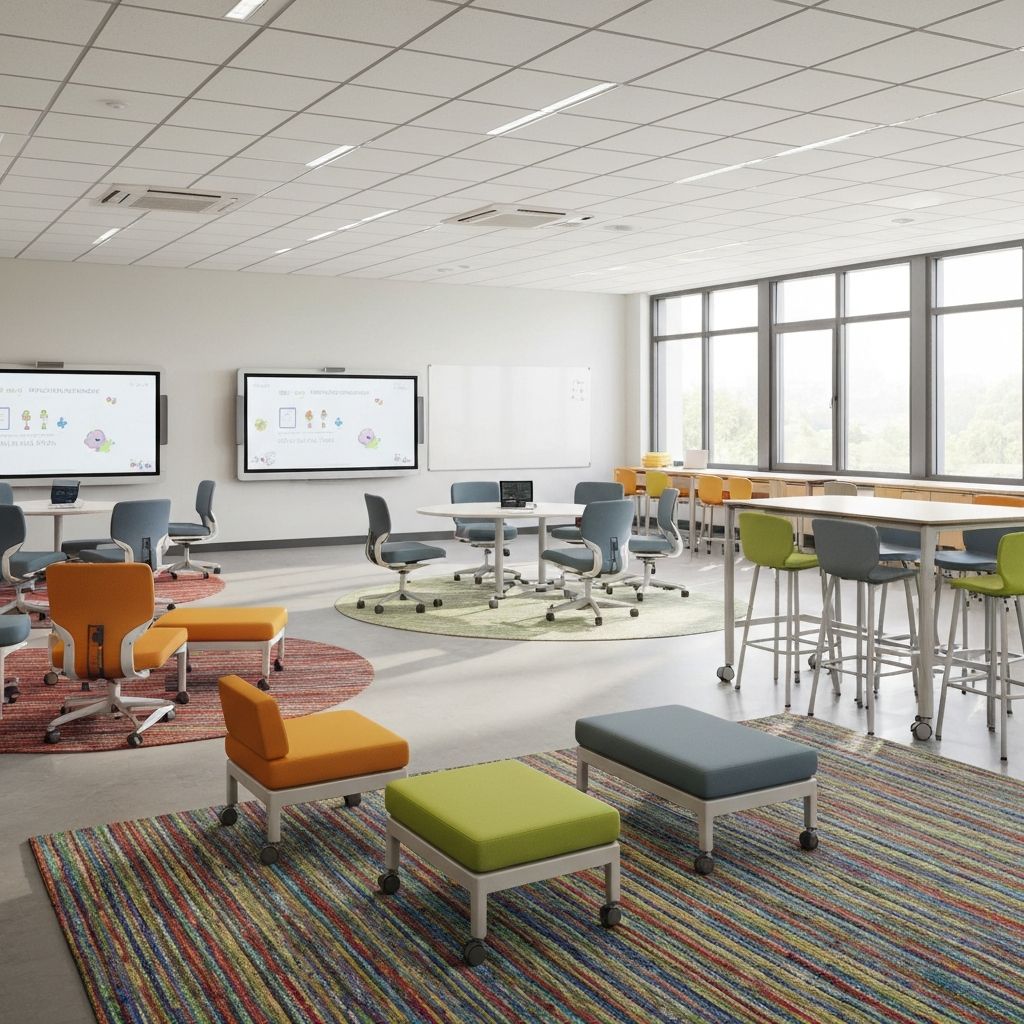
Installation support should be discussed before order approval. DADA's school project sourcing work is strongest when the buyer shares the room list, quantity plan, delivery country, building access, and expected handover schedule before production. Those details affect packing, labeling, replacement planning, and the final quote.
Confirm what installation support means
The phrase "installation support" can mean different things to different buyers. For some projects, it means assembly instructions and hardware packs. For others, it means room-by-room carton labels, product matching, remote guidance, spare parts, layout references, or coordination with a local installer.
Before approving the order, define the support scope clearly. The supplier should not have to guess whether the buyer expects fully assembled furniture, knock-down cartons, on-site assembly guidance, or only product delivery. The difference affects cost, packing, container volume, and receiving labor.
Ask these questions early:
- Are products shipped assembled, semi-assembled, or flat packed?
- Who provides on-site labor, tools, and unpacking?
- Are assembly instructions required in English or another language?
- Should cartons be labeled by room, floor, building, or product category?
- Are spare hardware packs included for each room or for the whole shipment?
- Who records damage, missing parts, or assembly issues after delivery?
Match carton labels to the room list
Room-by-room labeling is one of the simplest ways to reduce handover problems. Without it, the receiving team may open cartons just to identify where products belong. That wastes time and increases the chance of scratches, lost hardware, or mixed room standards.
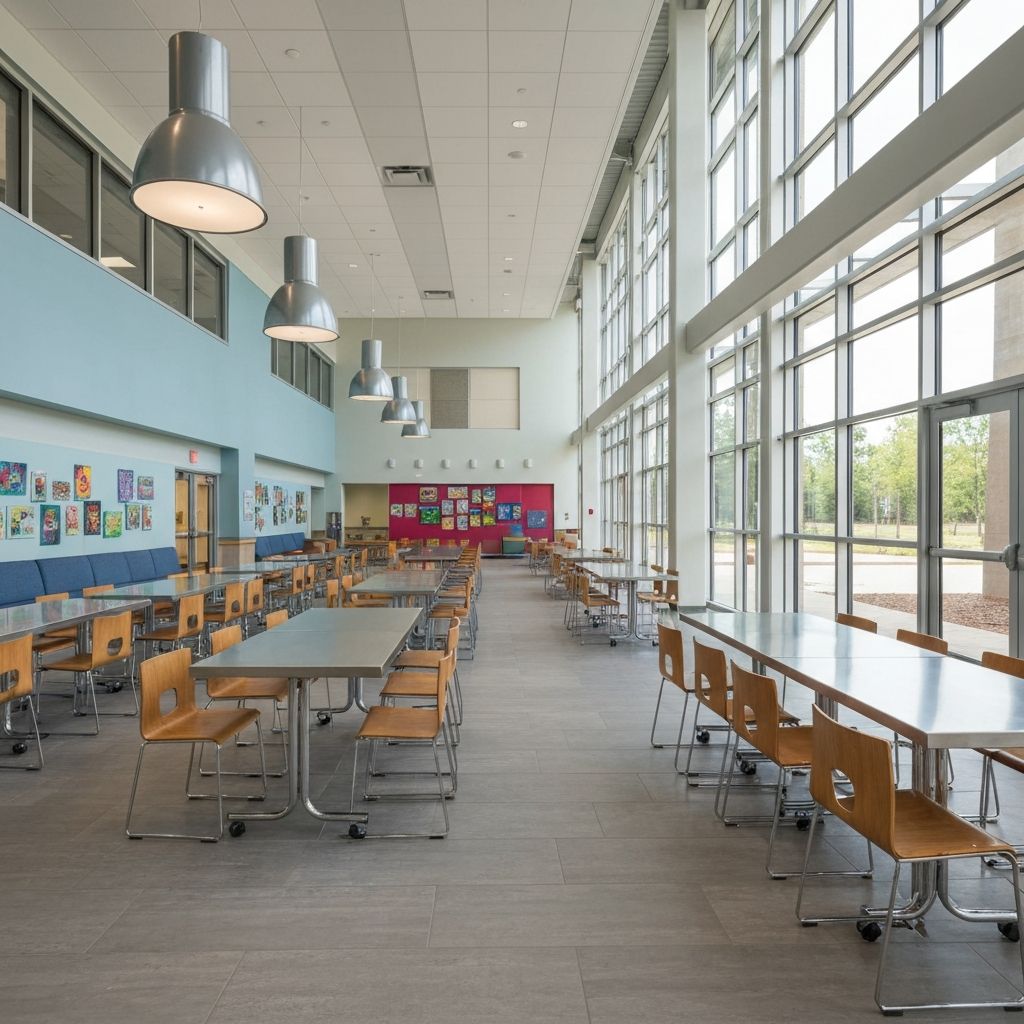
For classroom projects, labels can separate student desks, chairs, teacher desks, whiteboards, and storage. For dormitory projects, labels can separate beds, wardrobes, desks, and room accessories. For cafeteria or lab spaces, labels may need to show table type, bench type, fixed furniture, or special handling notes.
The labeling plan should connect to shipping and installation requirements, especially when several buildings are receiving furniture at the same time.
Check site readiness before shipment
Many installation issues begin before the furniture arrives. If the site is still under construction, floors are unfinished, elevators are not available, or storage areas are unsecured, furniture can be damaged before it is ever used by students. Buyers should confirm site readiness before the shipment leaves the factory.
A basic readiness check should cover:
- Building access, loading area, elevator size, and floor protection.
- Room numbers, receiving sequence, and temporary storage rules.
- Unpacking area, waste removal, and carton disposal responsibility.
- Assembly labor, tools, supervision, and work schedule.
- Defect reporting process and photo documentation requirements.
For specialist spaces such as science labs, the site check should also include fixed furniture positions, utility access, and any inspection requirements. A lab table package can be delayed by small access issues that would not affect standard classroom chairs.
Define replacement and spare-part handling
Even well-packed projects can face transit damage or missing hardware. The question is not whether a supplier can promise perfection. The better question is how quickly the supplier can identify the issue and support a replacement path.

Before order approval, confirm how damage is reported, what photos are required, whether spare parts ship with the main order, and how replacements are handled after installation. For large projects, a small spare quantity may be more practical than reopening production for one missing item.
This is especially important for contract furniture for schools, where products from several room types need to arrive under one project schedule.
Keep installation information in the same file as the order
Installation notes should not live in scattered messages. Keep the room list, product list, carton labeling rules, assembly scope, spare-part plan, and delivery assumptions in one order file. That file should be available to the buyer, supplier, freight team, and receiving team.
If the school changes the room schedule after production starts, update the file before packing. If the buyer adds a new building or floor, the carton plan may need to change. If a product is replaced with an alternate model, the assembly instructions and spare parts may also change.
Plan installation by product family
Different furniture families need different support. Student desks and chairs may require simple assembly, while lockers, lab tables, dormitory beds, or canteen tables can require more careful sequencing. A project buyer should not assume one installation note covers every product category.
For classroom furniture, the key questions are usually height matching, room labels, hardware packs, and quick placement. For dormitory furniture, the key questions are bed assembly, wardrobe placement, mattress size, and access to upper floors. For laboratory furniture, the key questions may include fixed positions, worktop protection, cabinet layout, and service access. Separating these needs makes the receiving plan more realistic.
Ask for evidence before shipment
Before the order ships, ask the supplier for packing photos, carton label examples, hardware pack photos, and a final product list matched to the room schedule. This evidence helps the buyer catch obvious problems while the order is still in factory control.
The goal is not to create paperwork for its own sake. The goal is to make sure the receiving team knows what is arriving, where it belongs, and what to do if something is missing. That clarity is valuable when the school has a narrow installation window before classes start.
Recommendation for buyers
Resolve installation support before approving the school furniture order. The right questions protect the schedule, reduce receiving confusion, and make the final handover easier to manage. Send DADA the room list, site access notes, delivery sequence, and support expectations before quotation so the order is planned as a project, not only as a product shipment.
Procurement follow-through
Bring the topic into the project brief
Before requesting school furniture pricing, connect the topic to room scope, product category, quantity, material requirements, sample approval and export delivery assumptions. A clearer brief leads to a more accurate factory quotation and fewer revision cycles.
Procurement questions
What should buyers confirm after reading about compliance & services?
Confirm the room requirements, product categories, material choices, quantity estimates and quotation questions before requesting pricing.
What should buyers send to DADA after reading this article?
Send room lists, quantities, layouts or reference images, preferred materials, color requirements, target delivery window, destination port and any sample or inspection requirements.
Does this article show fixed product prices?
No. DADA uses inquiry-based project quotation because final pricing depends on quantity, material, size, customization, packaging and destination port.
Tags