Article overview
School furniture represents a significant investment, with the average classroom costing between $5,000 and $15,000 to furnish. With proper care, quality furniture can serve students for 15-20 years—but neglect can cut that lifespan in half.
Protecting Your Investment
School furniture represents a significant investment, with the average classroom costing between $5,000 and $15,000 to furnish. With proper care, quality furniture can serve students for 15-20 years—but neglect can cut that lifespan in half.

Daily Maintenance Habits
Surface Cleaning
Wipe down desktops and chair seats daily with a damp cloth and mild soap solution. This simple habit prevents the buildup of dirt, germs, and sticky residues that can damage finishes over time.
Best practices:
- Use microfiber cloths to avoid scratching surfaces
- Avoid harsh chemicals that can strip protective coatings
- Dry surfaces immediately to prevent water damage
Quick Inspections
Train custodial staff to note any loose screws, wobbly legs, or damaged components during their daily rounds. Catching problems early prevents small issues from becoming expensive repairs.
Weekly Deep Cleaning
Laminate Surfaces
For stubborn marks on laminate desktops:
- Apply a paste of baking soda and water
- Let sit for 5 minutes
- Wipe clean with a damp cloth
- Dry thoroughly
Metal Frames
Chrome and powder-coated frames benefit from weekly attention:
- Wipe with a soft cloth dampened with warm water
- For chrome, use glass cleaner for extra shine
- Check for rust spots, especially near floor contact points
Plastic Components
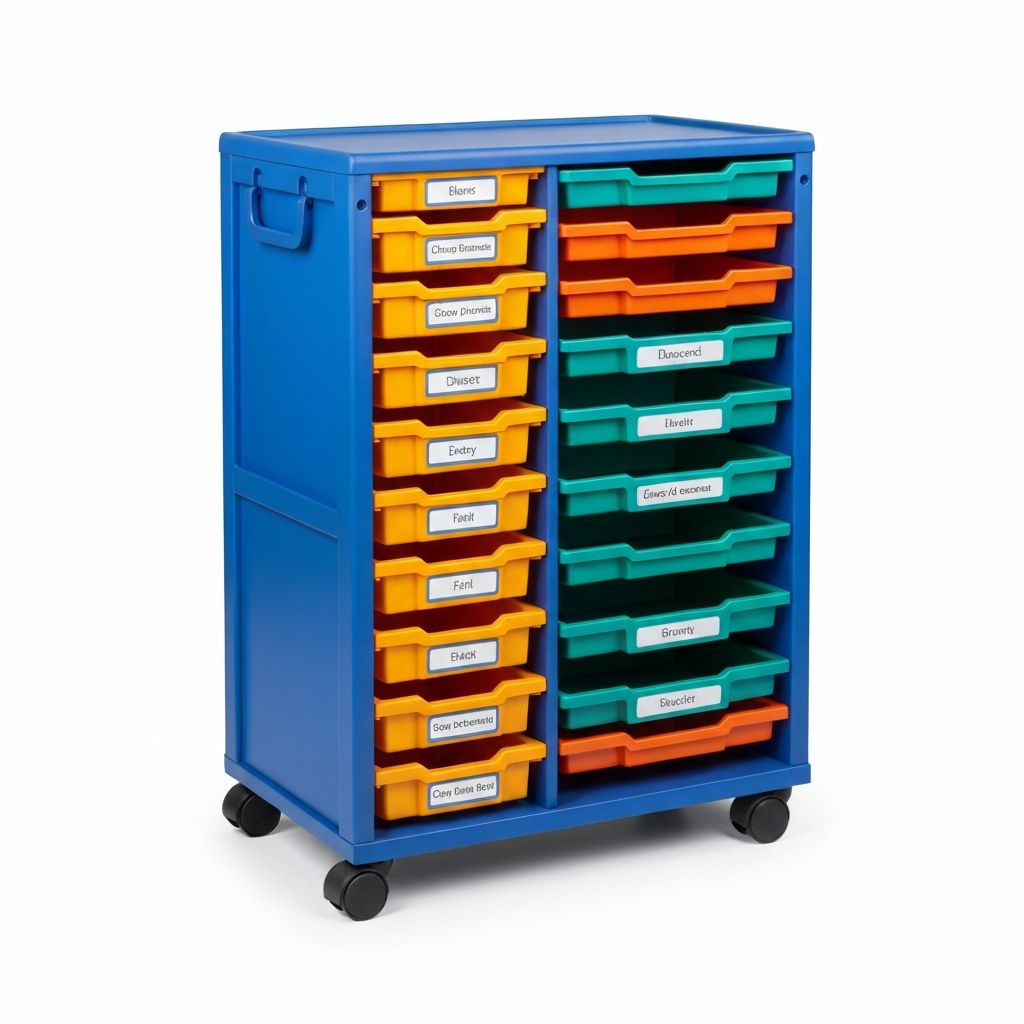
Polypropylene chairs and storage bins:
- Clean with warm soapy water
- For discoloration, try a water and white vinegar mixture
- Avoid leaving in direct sunlight, which causes brittleness
Seasonal Maintenance Schedule
Fall (Back to School)
- Complete inventory of all furniture
- Tighten all screws and bolts
- Replace worn glides and casters
- Deep clean all surfaces
Winter
- Check for damage from salt and moisture tracked in on shoes
- Inspect metal frames for rust
- Verify all adjustment mechanisms work properly
Spring
- Assess furniture for end-of-year repairs
- Plan summer maintenance projects
- Order replacement parts
Summer
- Major repairs and refinishing
- Deep cleaning of all items
- Reorganization and redistribution between classrooms

Common Problems and Solutions
Wobbly Chairs and Desks
Usually caused by loose hardware. Keep a supply of replacement screws and bolts on hand, and tighten connections at least twice per year.
Scratched Surfaces
Minor scratches on laminate can often be minimized with furniture polish. For deeper damage, consider professional refinishing or replacement of the affected component.
Stuck Adjustment Mechanisms
Apply a small amount of silicone lubricant to moving parts. Never use oil-based lubricants, which attract dust and can stain clothing.
Graffiti and Vandalism
Address immediately to discourage further damage. Most marks can be removed with appropriate cleaners—consult the manufacturer's guidelines for specific recommendations.
When to Replace vs. Repair
Consider replacement when:
- Structural integrity is compromised
- Repair costs exceed 50% of replacement cost
- Safety concerns cannot be adequately addressed
- The furniture no longer meets current educational needs
Building a Maintenance Culture
The most effective maintenance programs involve everyone:
- Students: Teach respect for shared property
- Teachers: Report problems promptly
- Custodians: Follow consistent cleaning protocols
- Administrators: Budget for ongoing maintenance
Conclusion
A proactive approach to furniture maintenance protects your investment and ensures students always have safe, functional learning environments. The time and resources spent on regular care pay dividends in extended furniture life and reduced replacement costs.
Tags