Article overview
The World Cup gives schools a topic that can cross geography, language, mathematics, reading, art, PE, and campus culture at the same time. That makes it a strong traffic theme online, but it also makes it useful inside a real school program. The weak version is treating it only as decoration or only as viewing. The stronger version is turning it into structured classroom activity, student display work, and shared-space planning.
Why World Cup Week Is a Strong Classroom Hook
The World Cup gives schools a topic that can cross geography, language, mathematics, reading, art, PE, and campus culture at the same time. That makes it a strong traffic theme online, but it also makes it useful inside a real school program. The weak version is treating it only as decoration or only as viewing. The stronger version is turning it into structured classroom activity, student display work, and shared-space planning.
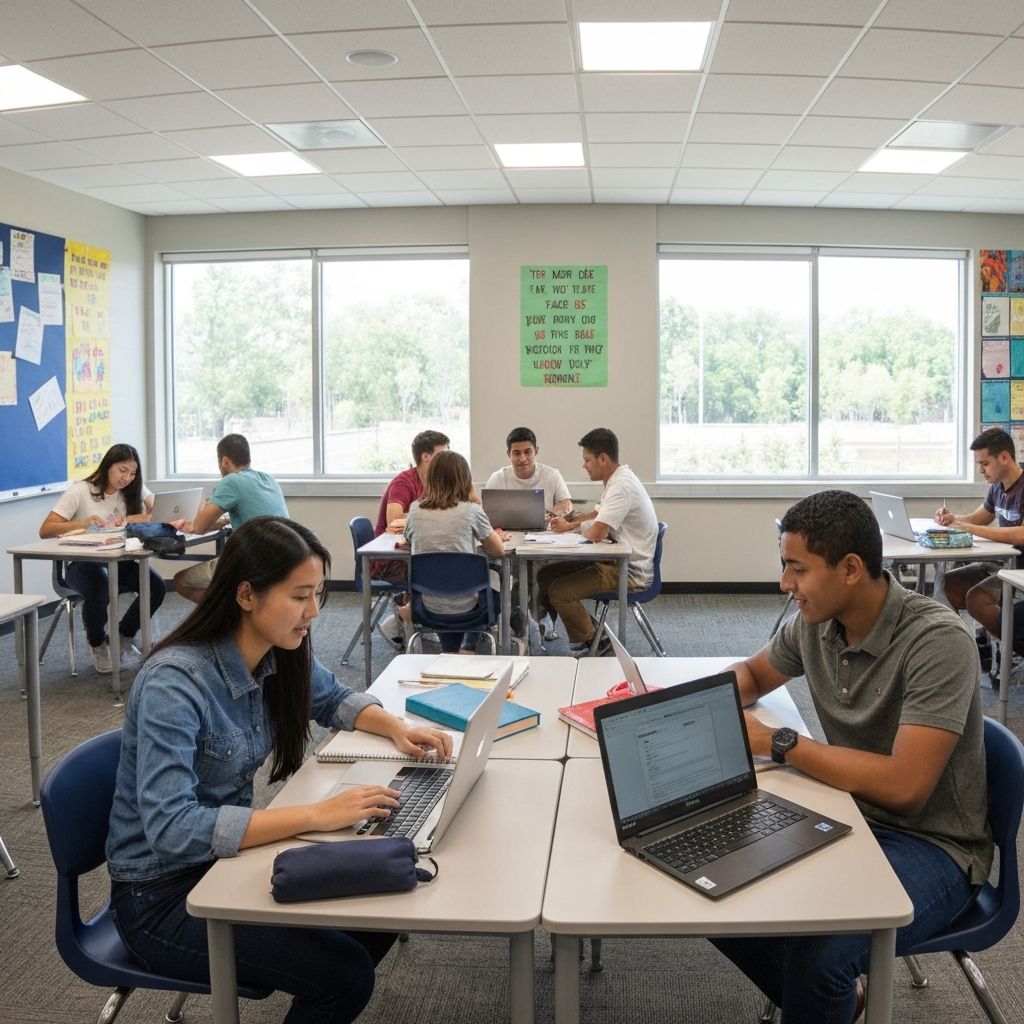
For a supplier site, that matters because the topic naturally leads visitors into room decisions. A search about classroom activities often becomes a question about display surfaces, collaborative work tables, research corners, or a temporary shared viewing area. That is exactly why this article should connect back to the broader School Event Ideas hub instead of ending as a one-off seasonal post.
Set Clear Educational Boundaries Before Building Activities
Keep the theme educational, not promotional
Schools do not need to imitate an official tournament package to make the topic work. The cleaner route is to use football and international competition as a classroom theme rather than trying to recreate official branding. That keeps the project centered on learning outcomes and makes the setup easier to adapt across age groups.
A useful rule is simple: use the event as a trigger for research, comparison, display, and discussion. Do not treat the classroom as a merch corner.
Decide what the week is actually trying to do
The strongest activity weeks usually choose one or two outcomes first and let the room setup follow. Typical goals include:
- country research and student presentations
- football-themed math or data activities
- geography, flags, and language tie-ins
- poster, scoreboard, or bulletin-style display work
- a limited shared viewing or assembly moment
Once those goals are clear, schools can decide whether they mainly need whiteboards and display surfaces, flexible classroom tables, or a larger shared-space plan.
Activity Ideas That Translate Into Real Classroom Setups
Country research stations
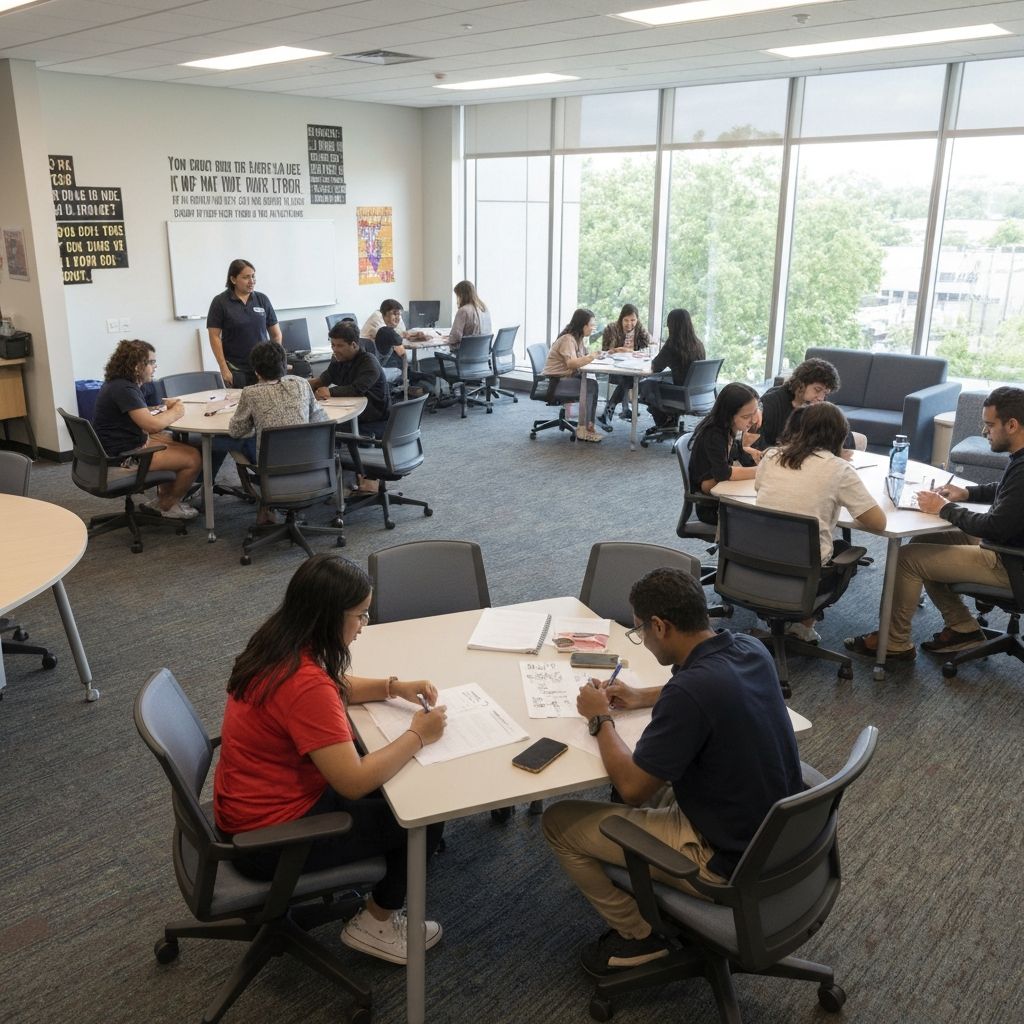
One of the easiest formats is assigning student groups different countries and asking them to build a short research display around geography, language, food, school life, climate, and tournament context. This format works well because it turns a sports topic into a wider cultural-learning project.
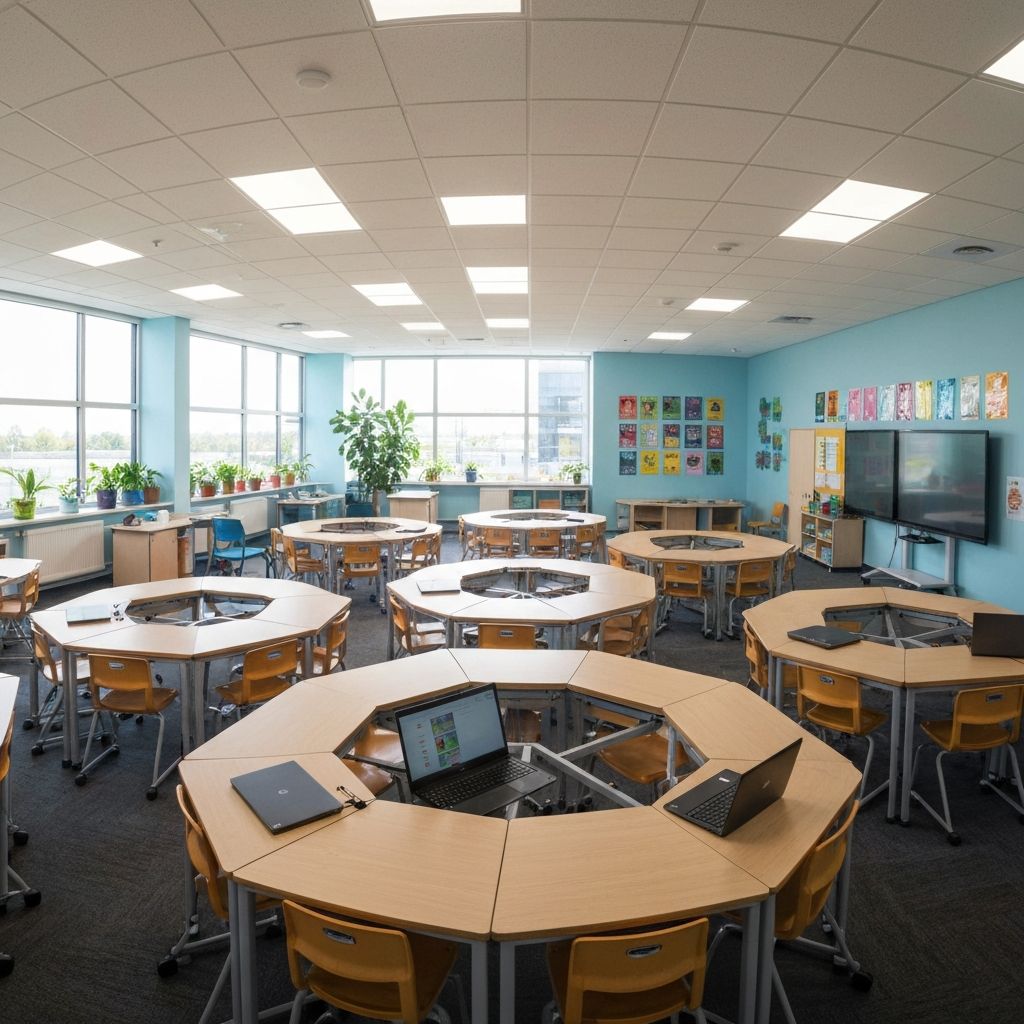
Room-wise, it works best when the classroom can shift quickly between group work and display review. That is why schools planning this format should think about movable or reconfigurable classroom tables, not only about printouts on walls.
Match-day math and geography boards
A second strong format is using match schedules, travel routes, score predictions, and country comparisons as board-based daily activities. Teachers can build quick routines around maps, time zones, goal counts, brackets, and comparison exercises.
This is the most obvious handoff into whiteboards and other visible writing surfaces. The content itself may be short-term, but the infrastructure behind it is not. A school that wants to run multiple themed weeks over a year usually needs better display capacity, not just one temporary poster set.
Poster, flag, and display work
Students often respond best when the topic includes visible output. Posters, country fact sheets, corridor displays, classroom-door themes, and small presentation corners keep the project active even outside the lesson itself.
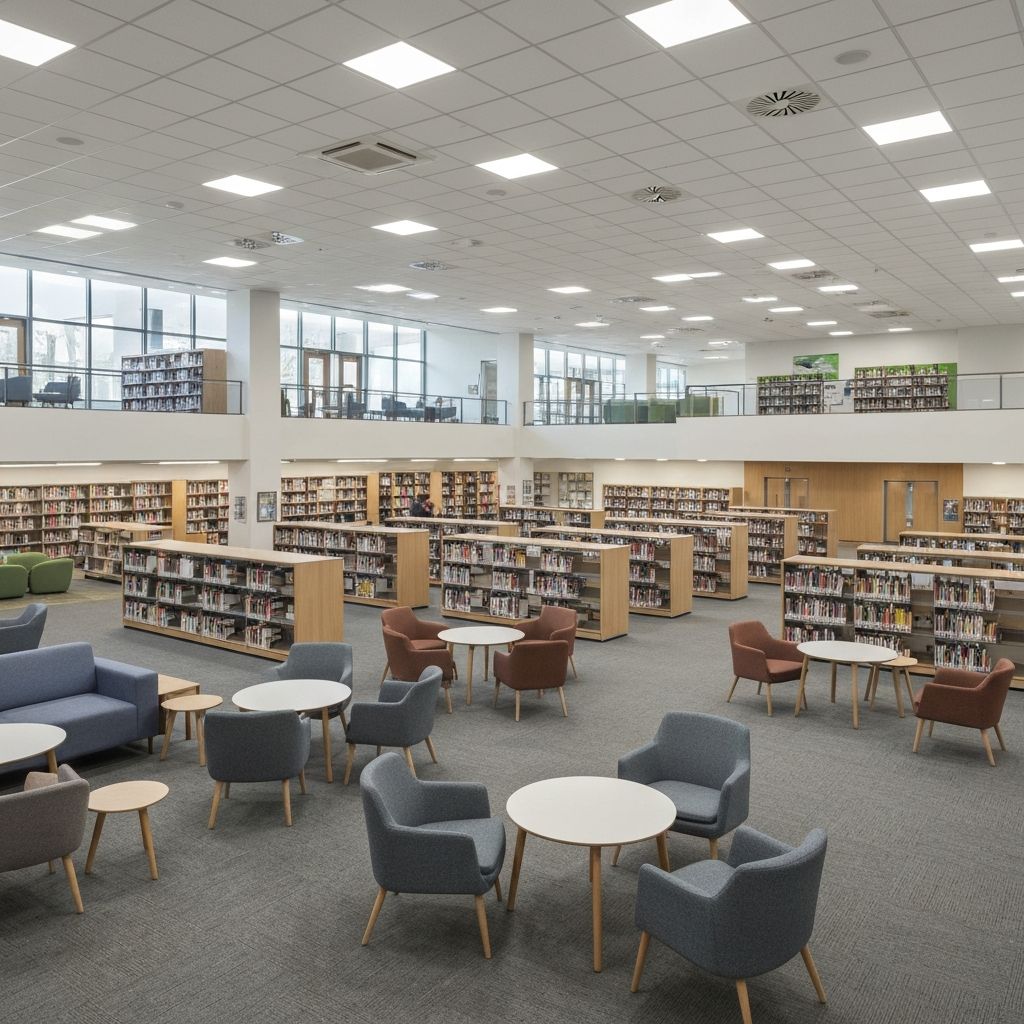
Once the project expands beyond one room, staff should start thinking about where display work will live. Some schools can keep it in the classroom. Others need a more flexible library media space or another campus showcase area where students can browse and present work without blocking ordinary circulation.
PE tie-ins and structured discussion moments
The theme also works when PE and classroom teaching are lightly connected. A school might run a small football activity, then bring students back into class for discussion, data work, or reflection. That makes the topic feel campus-wide instead of isolated.
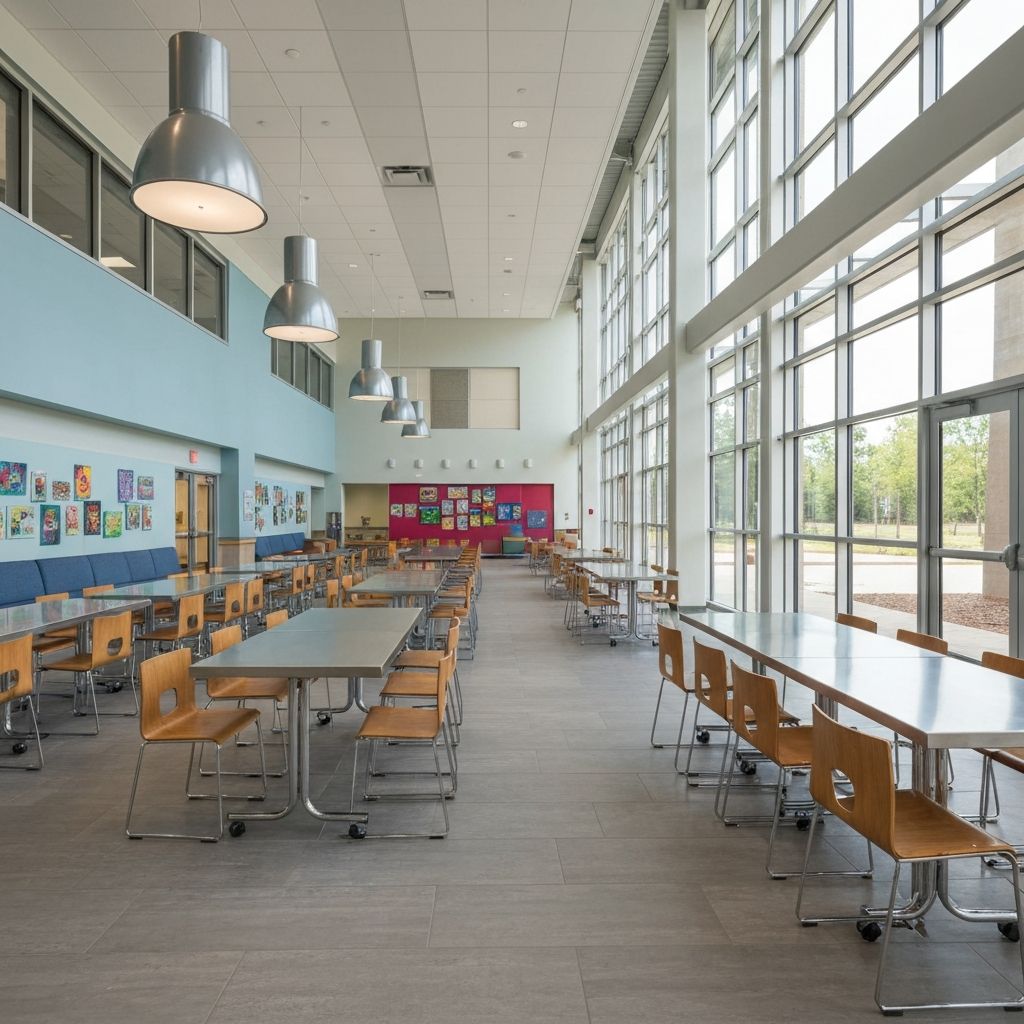
When that happens, schools sometimes discover they need a temporary shared gathering point for selected screenings, announcements, or showcase moments. That is where a route into commons and cafeteria layouts becomes more relevant than another classroom-only article.
Turn the Topic Into a Space Plan, Not Just a Lesson Plan
A lot of seasonal school content fails because it stops at ideas and never moves into setup logic. If World Cup week is expected to stay inside one teacher's room, that may be fine. But once several classrooms, a library corner, or a shared commons area are involved, the school needs a simple planning structure.
Start by asking four basic questions:
- Which rooms need flexible group work space for project tasks?
- Which walls or boards will carry visible schedules, maps, or student outputs?
- Does the school want a shared viewing or presentation area for selected moments?
- Is the topic limited to one class, or is it becoming a campus-wide event week?
Those questions help the visitor move naturally from a content article into School Event Ideas, School Project Sourcing, or the Needs Assessment page depending on scope.
A Simple Procurement Checklist Before Event Week Starts
The school does not need a major capital project to use this topic well, but it should still think in practical terms. Before staff commit to a larger event week, the planning team should confirm:
- whether current display surfaces are enough for daily use
- whether classrooms can switch between lecture, group work, and presentation mode easily
- whether library or commons spaces can support overflow displays or shared sessions
- whether traffic flow changes when parents, visitors, or multiple classes join the activity
- whether the event theme is likely to repeat in future sports weeks, international weeks, or campus showcases
That last point matters. A World Cup topic should not only justify a one-week setup. It should help the school identify what recurring event infrastructure is missing.
Where This Topic Should Send Readers Next
If the reader is still in inspiration mode, the next stop should be the School Event Ideas hub. That page is designed to collect sports weeks, international programs, open-house setups, and other event-led topics in one place.
If the reader already knows the main classroom need, the next step is usually more direct:
- Whiteboards for visible daily activity and schedule work
- Classroom Tables for collaborative projects and student group tasks
- Library Media Spaces for research-heavy or display-led formats
- Cafeteria and Commons Layouts for shared viewing or gathering moments
- School Project Sourcing for broader multi-room event planning
Conclusion
World Cup classroom activities work because they can start with student excitement and end with stronger learning and better campus planning. For schools, the opportunity is not only to run one football-themed week. It is to use that interest to test how classrooms, display zones, libraries, and commons support themed learning at a wider level. That is what turns a temporary trend into a practical planning conversation.
Tags