
Opening context
An ergonomic chair is only useful if the dimensions match the students who will sit in it every day. Buyers should review age bands, desk pairing, and posture support before comparing finishes or accessories.
Start with actual student fit
An ergonomic chair is only useful if the dimensions match the students who will sit in it every day. Buyers should review age bands, desk pairing, and posture support before comparing finishes or accessories.
Check the seat and back geometry
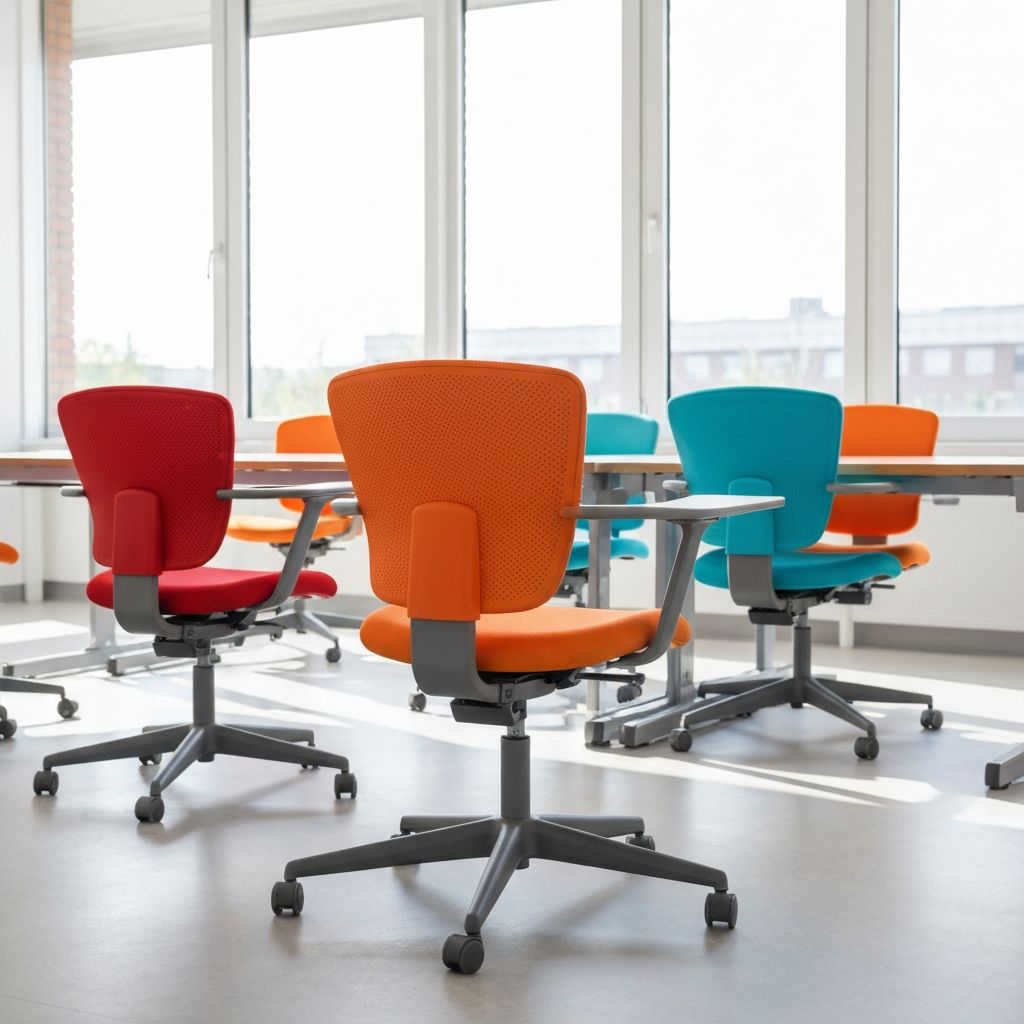
The seat pan, front edge, and backrest angle all affect how long students can stay comfortable during lessons, exams, and group work. A chair can look modern in a catalog and still create poor posture if the seat height is wrong or the back support pushes students into an unnatural position.
Buyers should ask how the chair pairs with the intended desk family. Good posture depends on the desk-chair relationship, not on the chair in isolation. That is why mockups or sample reviews should be done with the matching classroom setup whenever possible.
- Review seat height against the matching desk program.
- Check whether the front edge reduces pressure on the legs.
- Make sure the backrest supports an upright posture without forcing a rigid position.
- Confirm whether the chair accommodates the actual lesson duration and student movement pattern.
Review durability and maintenance
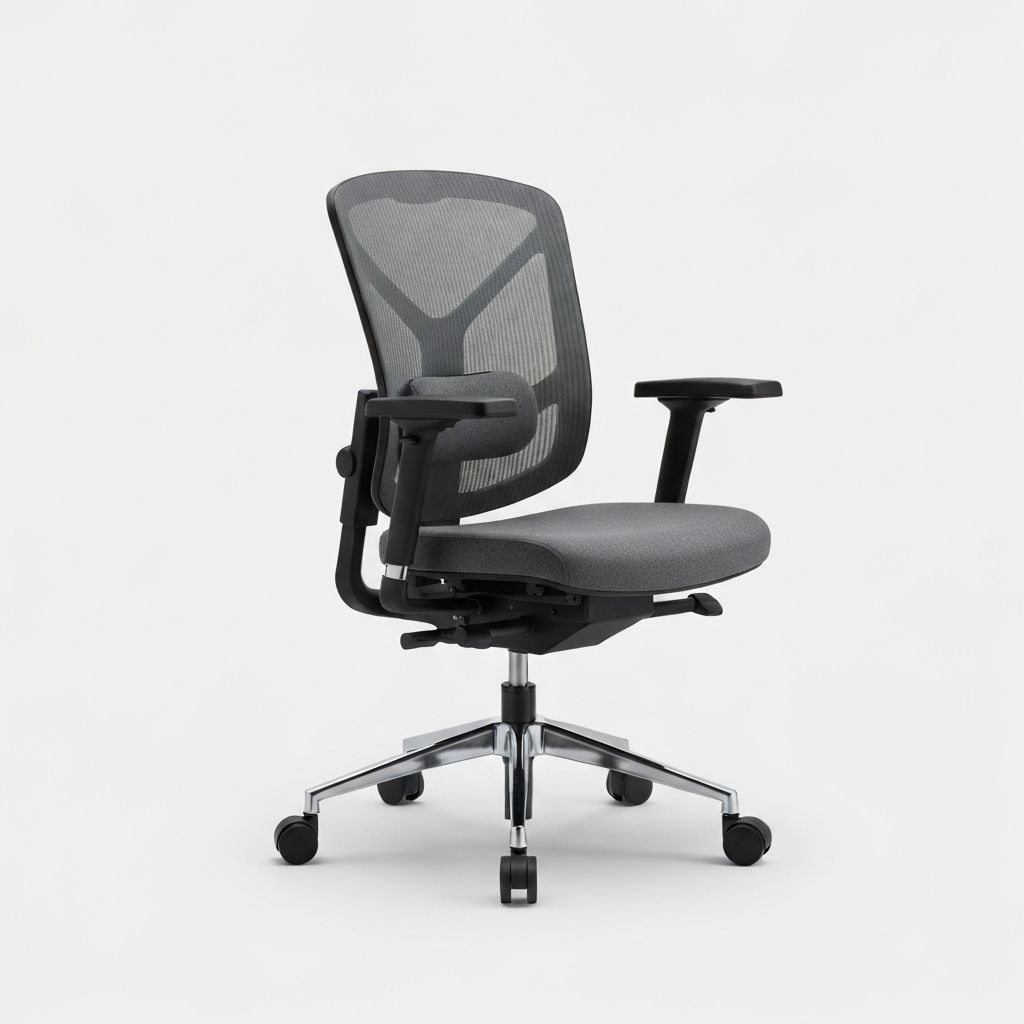
School chairs move constantly. A specification that looks good in a catalog can become expensive if glides, welds, or seat shells fail in high-use rooms.
This is where many procurement teams underestimate lifecycle cost. If the chair is difficult to clean, scratches easily, or has weak stacking contact points, the classroom team will feel the problem long after the quotation stage is forgotten. Maintenance expectations should be reviewed as part of the same checklist as posture support.
- Check frame material, coating quality, and joint stability.
- Confirm whether replacement parts or matching future batches are realistic.
- Review stacking or storage requirements for cleaning and room turnover.
- Ask how glides, feet, or fast-moving wear parts are handled after installation.
Compare the chair in the real room context
The right chair for a traditional classroom may not be right for collaborative layouts, labs, or exam rooms. Tie the evaluation back to the actual teaching mode and room density.
If the room needs fast reconfiguration, cleaning access, or compact storage, those operational requirements should sit beside the ergonomic ones in the same decision sheet. A procurement team that only reviews comfort will often end up with a chair that performs poorly during turnover, stacking, or heavy weekly use.
Questions to ask before approving a chair sample
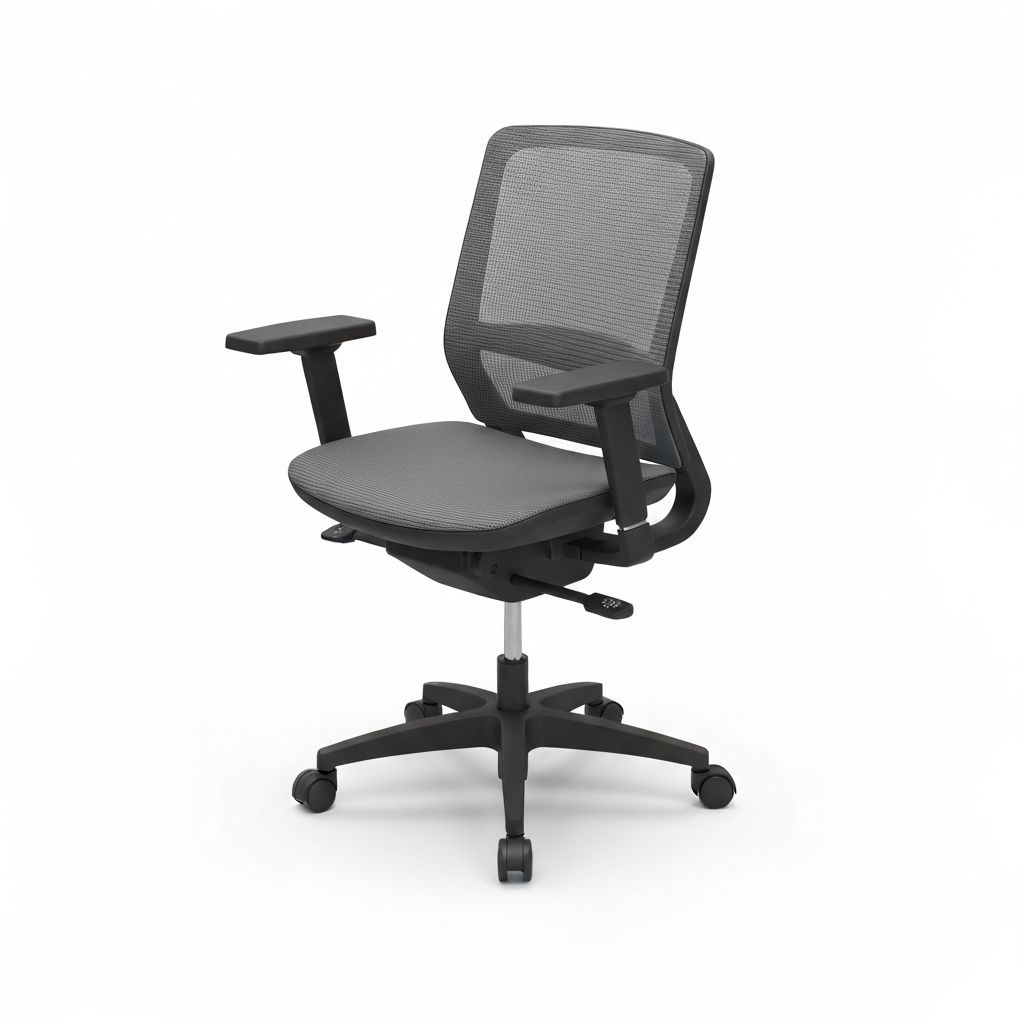
Sample approval should test the chair as part of a classroom system. A single chair can feel acceptable in a meeting room and still fail in the real school environment if the desk pairing, stack height, floor glides, or cleaning routine is wrong.
Before approving a model, ask the supplier to confirm:
- Which desk heights pair with the chair size.
- Whether the same shell color and frame finish can be repeated in later orders.
- How many chairs can be stacked safely without damaging the seat or frame.
- Which parts are replaceable after installation.
- Whether the chair needs different glides for tile, vinyl, wood, or concrete floors.
The sample should also be checked by the people who will handle the classroom after delivery. Facilities teams often notice stacking, cleaning, and floor-protection issues that are easy to miss during a procurement review. Teachers may notice noise, movement, or layout constraints that are not visible in the product photo. Those comments should be gathered before the model becomes the room standard.
When a lower price creates a higher ownership cost
The cheapest chair is rarely the lowest-risk chair for a full school project. Thin frames, weak glides, poor shell finish, or inconsistent color batches can create maintenance costs that are not visible in the first quotation. A slightly stronger chair with repeatable production and replacement support may be the better financial choice over several academic years.
For distributors and contractors, this matters even more because the product must survive transport, installation, daily use, and potential repeat orders. A chair program should be judged by landed reliability: how it packs, how it arrives, how it performs, and how easily it can be supported after handover.
Building the chair schedule into the full classroom package
Chair selection should not be isolated from the rest of the classroom order. The chair affects desk spacing, row depth, storage routines, floor protection, cleaning time, and the way replacement units are purchased later. A school that changes chair dimensions after approving desks may have to revisit the whole room plan.
For a new campus or a multi-room renovation, keep the chair schedule connected to the desk schedule, teacher furniture, storage cabinets, and any flexible learning areas. If one room type uses a different chair, label the exception clearly. That prevents the supplier from mixing room standards during packing and prevents the receiving team from guessing where each model belongs.
The strongest chair briefs usually include:
- Student age band and matching desk height.
- Room count and quantity per room.
- Standard chair model and any alternate model.
- Color, frame finish, glide type, and stackability requirement.
- Spare quantity and repeat-order expectation.
- Carton labeling by room, building, or phase.
This level of detail gives the factory a clearer basis for price, packing, and production planning. It also gives the school a better chance of receiving a consistent chair program instead of a collection of similar-looking products.
Final recommendation
Use one checklist for posture support, maintenance, and operational fit. That makes it easier to shortlist the right classroom chairs, compare them with single student sets, and prepare a sharper buying guide review before ordering.
Procurement follow-through
Bring the topic into the project brief
Before requesting school furniture pricing, connect the topic to room scope, product category, quantity, material requirements, sample approval and export delivery assumptions. A clearer brief leads to a more accurate factory quotation and fewer revision cycles.
Procurement questions
What should buyers confirm after reading about ergonomics?
Confirm the room requirements, product categories, material choices, quantity estimates and quotation questions before requesting pricing.
What should buyers send to DADA after reading this article?
Send room lists, quantities, layouts or reference images, preferred materials, color requirements, target delivery window, destination port and any sample or inspection requirements.
Does this article show fixed product prices?
No. DADA uses inquiry-based project quotation because final pricing depends on quantity, material, size, customization, packaging and destination port.
Tags