
Opening context
School furniture projects look simple until the schedule is compressed. Buyers often lose time between the initial room count, finish approval, and the moment the installation team can actually access the site. A backward-planned schedule keeps those dependencies visible and makes it easier to spot where commercial decisions are still too vague.
Why the timeline matters
School furniture projects look simple until the schedule is compressed. Buyers often lose time between the initial room count, finish approval, and the moment the installation team can actually access the site. A backward-planned schedule keeps those dependencies visible and makes it easier to spot where commercial decisions are still too vague.
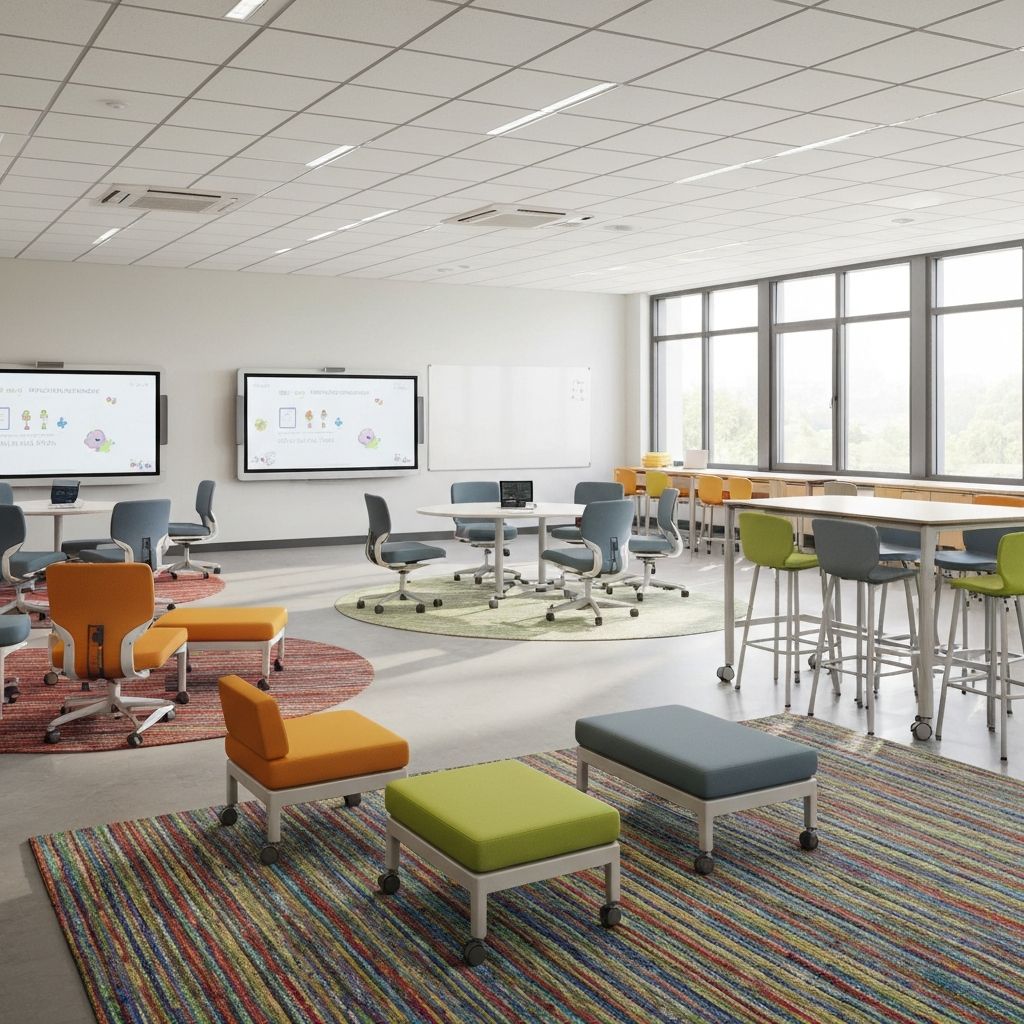
180 to 120 days before installation
Use the first planning window to confirm room standards, student age bands, and the products that need to repeat across the project. This is the right moment to compare standard desks, chairs, storage, and room-specific options against the school's operational needs instead of shopping line items in isolation.
The most effective teams create one working specification package early. That package should cover room counts, reference layouts, core furniture families, and any room types that need exceptions. If the project is still collecting separate spreadsheets from academic teams, facilities, and procurement, the risk of contradictory requirements is already rising.
- Confirm which rooms need standard classroom furniture and which need specialized layouts.
- Align furniture dimensions with the age range and teaching model.
- Build one specification list instead of collecting separate spreadsheets from multiple stakeholders.
- Identify which finish or material decisions must be approved before samples are requested.
120 to 60 days before installation
This stage is where most avoidable delays start. Samples, finishes, and accessory details should be finalized before manufacturing slots are reserved. If any part of the program is still ambiguous, the factory will either wait or produce against incomplete instructions.
This stage is also the right time to pressure-test operational assumptions. Packed dimensions, floor-by-floor delivery logic, elevator access, and any phased handover constraints need to be surfaced now, not after the order is confirmed. A vendor can only protect the schedule if the school team has translated those realities into the brief.
- Lock product codes, colors, and material preferences.
- Review packed dimensions and loading assumptions.
- Confirm whether the project needs phased delivery by building or floor.
- Decide who owns final approval when a sample or finish differs slightly from the first expectation.
60 to 0 days before installation
Once production starts, the project team should shift from product selection to site readiness. Access windows, punch-list handling, and storage rules on arrival all affect how quickly the installation can finish.
This is the stage where schedules usually fail because the site team assumes the supplier will adapt on arrival. In practice, room labeling, unloading sequence, assembly scope, and defect reporting need one agreed process before the first truck reaches the campus. That discipline is especially important for summer installations with narrow access windows.
- Confirm unloading conditions and labor availability.
- Make sure the site is clean, secure, and ready for room-by-room handoff.
- Keep a single defect and replacement process for the whole project.
- Verify whether temporary storage or staged unpacking rules apply on site.
Where DADA fits in
DADA works best when the room plan, quantity logic, and delivery milestones are already documented. That makes it easier to align the product set with classroom solutions, catalog requests, or a more detailed needs assessment before mass production begins. If your team still has open questions around standards, room exceptions, or rollout order, resolve those before final production release.
Procurement checkpoints that protect the schedule
A timeline is only useful when each stage has a decision owner. Before the RFQ is released, assign who approves product families, who signs off colors and finishes, who checks packed dimensions, and who confirms site access. Without that ownership, the project may look active while the important decisions remain unfinished.
For classroom furniture, the most common delay is a late change to desk height, chair color, tabletop material, or teacher furniture. For specialist rooms, the risk is usually a missing drawing, utility assumption, or storage requirement. For school-wide packages, the difficult part is keeping every room standard connected to the same delivery calendar.
Procurement teams can reduce those risks by keeping one active schedule with four checkpoints:
- Product scope approval, including alternates if the preferred model changes.
- Sample and finish approval, with photos and written references saved for repeat orders.
- Production release, including carton labels, packing method, and inspection expectations.
- Site readiness, including unloading access, room labels, temporary storage, and defect reporting.
These checkpoints are not extra paperwork. They are the points where the project stops being a list of products and becomes a controlled supply program.
When to involve the supplier
Involve the supplier before the quote is treated as final. A factory can check whether the preferred models match the quantity range, whether the finish selection affects lead time, and whether the packing plan fits the receiving sequence. That feedback is much more useful before the purchase order than after production has already started.
For larger school projects, ask the supplier to separate standard products from items that need engineering review. A standard classroom chair may move quickly, while a custom teacher desk, special storage cabinet, or non-standard lab table may need additional drawing approval. Keeping those items in the same timeline without marking the difference creates avoidable pressure later.
That separation also helps the buyer decide which items can be approved immediately and which ones need a second technical review.
Final recommendation
Treat procurement, production, and installation as one continuous workflow. When the specification package is complete early enough, schools get fewer site surprises, cleaner approvals, and a smoother start to the academic year.
Procurement follow-through
Bring the topic into the project brief
Before requesting school furniture pricing, connect the topic to room scope, product category, quantity, material requirements, sample approval and export delivery assumptions. A clearer brief leads to a more accurate factory quotation and fewer revision cycles.
Procurement questions
What should buyers confirm after reading about procurement planning?
Confirm the room requirements, product categories, material choices, quantity estimates and quotation questions before requesting pricing.
What should buyers send to DADA after reading this article?
Send room lists, quantities, layouts or reference images, preferred materials, color requirements, target delivery window, destination port and any sample or inspection requirements.
Does this article show fixed product prices?
No. DADA uses inquiry-based project quotation because final pricing depends on quantity, material, size, customization, packaging and destination port.
Tags